
Banana Matcha, Ube Matcha, Or Matcha Lavender Latte: Which Flavor Pairing Works Best?

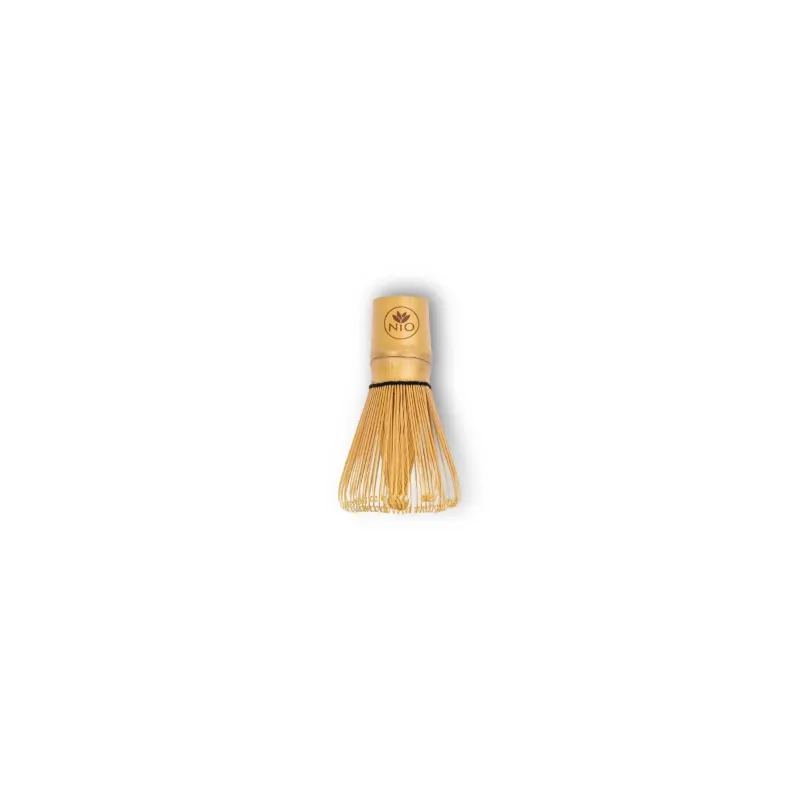
A matcha lavender latte works best if you want a smooth, floral, cafe-style drink that still lets the green tea taste come through. Banana matcha is better for fruit sweetness, while ube matcha is the best pick for a creamy dessert-style cup. For Nio Teas shoppers, the right choice depends less on hype and more on how you like your matcha: bright, mellow, sweet, iced, or blended.
Quick verdict: which Nio Teas flavor pairing should you choose?
If we were buying one first, we would start with matcha lavender latte because it has the widest appeal for hot and iced drinks. Lavender softens matcha’s grassy edge without burying it, which makes it a good bridge for people who like specialty cafe drinks but still want real tea character.
Here is the simple breakdown:
| Drink | Best for | Watch out for |
|---|---|---|
| Banana matcha | Smoothies, breakfast drinks, natural sweetness | Can taste too ripe if over-sweetened |
| Ube matcha | Creamy iced lattes, dessert drinks, visual appeal | Can dominate delicate matcha |
| Lavender matcha latte | Floral iced lattes, cafe-style balance | Too much lavender can taste soapy |
If you are buying from Nio Teas, check the product page for current availability and use our Nio Teas coupon page to grab the code before checkout. We do not recommend choosing by discount alone, but it is worth checking before you buy.
How a matcha lavender latte compares with banana matcha and ube matcha
The main difference is what each pairing does to matcha’s natural flavor. Good matcha has vegetal, umami, creamy, and lightly bitter notes. Pairings either amplify those notes or cover them.
- Lavender adds aroma more than sweetness. It makes matcha feel calmer, softer, and more aromatic.
- Banana adds body and sweetness. It works especially well in smoothies or shaken iced drinks.
- Ube adds creaminess, color, and a vanilla-like dessert quality.
A lavender matcha powder or lavender syrup can work, but we prefer controlling the lavender separately so the tea does not get overwhelmed. If you are comparing homemade drinks to an iced lavender matcha latte Starbucks style, remember that chain versions often rely on sweet foam, syrup, or seasonal builds. For a more tea-forward version, start with quality matcha and add lavender lightly.
For recipe inspiration outside the store, this Iced Lavender Matcha Latte is a useful reference for the basic idea of combining matcha, milk, and lavender in an iced format.
Banana matcha: best for smoothies and easy sweetness
banana matcha is the friendliest option if you already like fruit in green smoothies. Banana rounds off matcha’s bitterness, adds texture, and makes a drink feel more filling without needing a complicated recipe.
It works especially well when you want:
- An iced breakfast drink
- A matcha smoothie with milk or oat milk
- A naturally sweet profile
- A beginner-friendly matcha pairing
The risk is balance. Very ripe banana can flatten the fresher notes of matcha, and too much added sweetener can make the drink taste more like a smoothie than tea. We like banana matcha when the banana is supporting the matcha, not replacing it.
Try this basic ratio as a starting point:
- Whisk matcha with a small amount of cool or warm water until smooth.
- Blend with milk, banana, and ice.
- Taste before adding sweetener.
- Add a pinch of salt if it tastes dull.
If you are trying to recreate cafe drinks at home, banana is the least fussy of the three pairings. It does not need floral syrup, purple yam, cold foam, or special toppings to taste complete.
Ube matcha: best for creamy dessert-style iced drinks
ube matcha is the most dessert-like pairing here. Ube brings a creamy, nutty, lightly vanilla character that sits well with milk and ice. It is also visually striking, which is one reason ube matcha shows up in social videos and layered latte recipes.
Choose it if you want:
- A richer iced latte
- A sweeter afternoon drink
- A colorful layered cup
- A pairing that can handle oat milk, whole milk, or coconut milk
The main issue is intensity. Ube can overpower subtle matcha, especially if the ube component is very sweet. If your priority is tasting the tea itself, use less ube and avoid heavy syrups at first.
Ube matcha is also the better choice over lavender if you dislike floral flavors. Some people read lavender as perfume-like, even when it is used correctly. Ube is generally more dessert-coded and less polarizing, though it can feel heavier.
Best homemade method for a cafe-style lavender matcha drink
A good matcha lavender latte recipe is mostly about restraint. The tea should be smooth, the milk should be creamy, and the lavender should be noticeable only after the first sip.
Use this method for an iced version:
- Sift matcha into a bowl or cup.
- Whisk with a small amount of water until there are no clumps.
- Add milk to a glass with ice.
- Stir in a small amount of lavender syrup or lavender-infused milk.
- Pour the matcha over the top and taste before adding more sweetness.
If you are researching “lavender matcha Starbucks is it still available” or “matcha lavender latte Starbucks,” the practical answer is to treat those drinks as inspiration, not the standard. Seasonal cafe drinks can change, but a homemade version gives you more control over sweetness, milk, and lavender strength.
For another home-style build, this Iced Lavender Matcha guide shows how creamy and floral versions can be structured without turning the drink into a milkshake.
We avoid giving matcha lavender latte calories as a fixed number because it depends heavily on milk, sweetener, serving size, and toppings. If that matters to you, calculate it from the ingredients you actually use.
What about hojicha, roasted tea, cold brew, and other Nio Teas drinks?
Not every tea drink needs matcha. If you like roasted, nutty, low-bitterness flavors, Hojicha Powder may be a better everyday choice than flavored matcha. Hojicha is made from roasted tea, so it has a warmer profile that works well with milk, vanilla, and ice.
Other Nio Teas drink ideas fit different moods:
- matcha cold brew is best when you want a clean, refreshing tea drink without milk.
- matcha tonic is sharper and more sparkling, especially good with citrus.
- matcha frappuccino is the sweetest, most blended-dessert direction.
- matcha beer is more experimental and better for curious drinkers than daily latte fans.
- roasted tea is ideal if you want depth without the grassy profile of matcha.
- nios tea is the broader store category to explore if you are still deciding.
A kyusu teapot is more relevant for loose leaf Japanese tea than powdered matcha, but it is worth considering if you also drink sencha, roasted tea, or other steeped teas. Powdered drinks and teapot brewing solve different problems, so do not buy a teapot expecting it to replace a matcha whisk or shaker.
Buying advice: who should choose each flavor?
Here is how we would match each drink to the buyer.
| Buyer type | Best pick | Why it fits |
|---|---|---|
| Cafe latte fan | Lavender matcha latte | Floral, creamy, balanced |
| Smoothie drinker | Banana matcha | Sweet, thick, easy to blend |
| Dessert drink fan | Ube matcha | Creamy, colorful, richer |
| Tea purist | Matcha cold brew | Cleaner tea flavor |
| Roasted flavor fan | Hojicha or roasted tea | Nutty, mellow, less grassy |
If you are unsure, choose based on how much sweetness you usually like. Banana and ube naturally push the drink toward dessert. Lavender is more aromatic, so it can feel lighter even when made with milk.
Before ordering, we recommend checking current product details and using our Nio Teas page to check the latest price. The listed sitewide offer may change, so the coupon page is the safest place to confirm the current code.
Our final pick
For most people, the best first buy is the floral latte option because it feels special without becoming too heavy. Banana matcha is the practical choice for smoothies and morning drinks, while ube matcha is the one to buy when you want something creamy, colorful, and dessert-like.
If your goal is the closest homemade cafe experience, start with the lavender pairing, keep the sweetener light, and adjust from there. If you want to compare more Nio Teas options before buying, check the current code and product availability before you place an order.
Frequently asked questions
Is a matcha lavender latte better hot or iced?
We prefer it iced because the floral note feels cleaner and the milk stays refreshing. Hot versions can work too, but use lavender lightly so it does not become perfume-like.
Does banana matcha taste more like tea or a smoothie?
It depends on the ratio. With a small amount of banana, the matcha still leads; with a full ripe banana and milk, it becomes more of a smoothie-style drink.
Is ube matcha very sweet?
Ube itself has a dessert-like character, but sweetness depends on the mix, syrup, milk, or recipe you use. Start with less sweetener and add more only after tasting.
Can I make these drinks without dairy milk?
Yes. Oat milk works well for creamy lavender and ube drinks, while almond or coconut milk can work for banana matcha depending on the flavor you like.
Do I need a kyusu teapot for matcha drinks?
No. A kyusu teapot is for steeped loose leaf tea, not powdered matcha. For matcha drinks, a whisk, shaker, or blender is usually more useful.