
How Long Do Memory Foam Mattresses in a Box Actually Last?

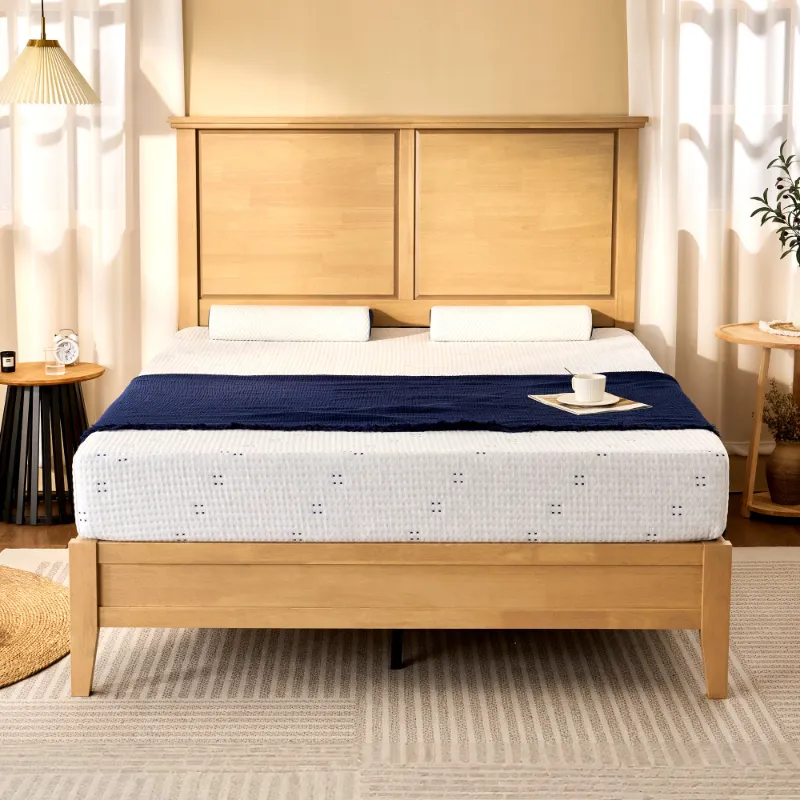
How Long Does a Memory Foam Bed in a Box Last?
A memory foam bed in a box typically lasts 7 to 10 years, depending on foam density, body weight, and how well you maintain it. Higher-density foam models and those with reinforced support layers often reach the upper end of that range, while budget options with thinner profiles may show sagging or body impressions closer to the 5- to 7-year mark. We've tested dozens of bed-in-a-box models and found that consistent rotation and a proper foundation can add years to the mattress's usable life.
Lifespan varies across sizes and thicknesses. An 8 inch memory foam mattress may compress faster under heavier users than a 12-inch model with denser base foam, while a twin xl dimensions mattress used in a guest room will naturally outlast a queen mattress size shared by two adults every night. To get the most from your purchase, check the latest price and look for warranties that guarantee against premature sagging.
What Affects Memory Foam Mattress Longevity?
Foam density is the single biggest predictor of durability. Memory foam is measured in pounds per cubic foot, and anything above 4 lb/ft³ qualifies as high-density. These denser foams resist body impressions and maintain support longer than 3 lb/ft³ budget varieties. When you shop for a bed in a box queen or full-size model, ask about the density of each layer—the support core matters as much as the top comfort foam.
Other factors that shorten or extend lifespan include:
- Body weight: heavier sleepers compress foam faster, especially in lower-density models
- Foundation quality: a solid platform or slatted base with slats no more than 3 inches apart prevents sagging
- Rotation schedule: flipping isn't necessary (most memory foam is one-sided), but rotating head-to-foot every three months evens out wear
- Room temperature: memory foam softens in heat, so keeping your bedroom cool reduces permanent compression
- Protector use: a waterproof cover blocks sweat, spills, and allergens that degrade foam over time
We also see variation by brand and construction. Some manufacturers layer higher-density foam near the hips and shoulders, while others use gel infusions or open-cell structures that improve airflow and reduce heat-related breakdown. Independent reviews like those at Best Bed in a Box Mattresses (2026) and Best Mattress in a Box - Our Experts Test 360+ Mattresses often include durability assessments based on long-term testing.
Signs Your Memory Foam Mattress Needs Replacing
Even the best memory foam bed in a box will eventually lose support. Watch for these warning signs:
- Visible sagging: a dip of 1.5 inches or more where you sleep, measured with a straight edge
- Persistent body impressions: foam that no longer rebounds after you get up
- New aches or poor sleep: waking with back or hip pain you didn't have before
- Lumps or uneven surface: foam breakdown creates soft spots or hard ridges
- Odors that won't air out: old foam can trap moisture and develop a musty smell
Most manufacturers cover sagging beyond 1 to 1.5 inches under warranty for the first 10 years, so document any visible dips and contact the retailer. If your twin xl length or queen mattress width model is still under warranty, you may qualify for a replacement or prorated credit. Grab the code for your next purchase if it's time to upgrade.
How to Extend the Life of Your Bed in a Box
Proper care starts the day your mattress arrives. After unboxing, let it fully expand for 24 to 48 hours in a well-ventilated room. This off-gassing period allows residual manufacturing odors to dissipate and the foam to reach full loft. Placing a new mattress on a weak or broken foundation accelerates sagging, so inspect your bed frame before setup.
Rotation and cleaning best practices:
- Rotate head-to-foot every 3 months (no flipping needed for one-sided designs)
- Vacuum the surface monthly to remove dust mites and allergens
- Spot-clean spills immediately with a damp cloth and mild detergent; never soak memory foam
- Use a breathable, waterproof protector to guard against sweat and accidents
- Keep pets off the bed when possible—claws can puncture foam and covers
If you're using your memory foam bed in a box queen or twin model on an adjustable base, confirm the mattress is rated for flexing. Bending a mattress not designed for adjustability can crack the foam and void the warranty. For specialty applications like a camper mattress, ensure the foam thickness and base support match the RV or camper platform to prevent premature compression.
Pairing your mattress with quality bedding also matters. Microfiber sheets or a microfiber sheet set offer breathability and easy washing, which keeps the sleep surface cleaner and reduces moisture buildup that degrades foam. A bamboo matress topper can add a cooling layer if your memory foam retains too much heat, further protecting the core from temperature-related wear.
Comparing Memory Foam to Other Bed-in-a-Box Types
Memory foam isn't the only compressed mattress option, and understanding trade-offs helps you choose the longest-lasting model for your needs.
| Type | Typical Lifespan | Pros | Cons |
|---|---|---|---|
| Memory Foam | 7–10 years | Pressure relief, motion isolation, widely available | Can sleep hot, slower response |
| Hybrid (foam + coils) | 8–12 years | Better edge support, cooler, durable coil layer | Heavier, pricier, may transfer motion |
| Latex | 10–15 years | Longest-lasting, naturally resilient, eco-friendly | Expensive, limited bed-in-a-box options |
| Polyfoam | 5–7 years | Budget-friendly, lightweight | Breaks down faster, less support |
If longevity is your top priority and budget allows, a hybrid or latex bed in a box full or queen delivers better durability than an all-foam design. That said, a high-density memory foam bed in a box queen with a thick support core can rival hybrid lifespans at a lower price point, especially when you factor in current discounts.
Who Should Choose Memory Foam and When to Upgrade
Memory foam remains the best memory foam bed in a box choice for side sleepers, couples who need motion isolation, and anyone with pressure-point pain. The material contours closely to shoulders and hips, relieving stress that can shorten a mattress's effective lifespan by forcing you to replace it due to discomfort rather than structural failure.
Consider upgrading or switching mattress types if you're a stomach sleeper who needs firmer support, a hot sleeper frustrated by heat retention, or a heavier individual who compresses standard-density foam too quickly. In those cases, a blue mattress hybrid or a firmer polyfoam model may serve you longer. For guest rooms, dorms, or occasional use, even a thinner twin memory foam bed in a box can last a decade because it sees less nightly wear.
Replacement timing also depends on warranty coverage. Many bed-in-a-box brands offer 10-year non-prorated warranties for the first few years, then prorate the value. If your mattress is 6 or 7 years old and showing minor sagging, it may be worth riding out the warranty period before buying new. But if you're waking up sore or the foam has visible damage, don't wait. Your sleep quality matters more than squeezing out an extra year from a worn mattress.
We recommend budgeting for a new mattress every 8 to 10 years even if yours looks fine. Foam compresses gradually, and the support loss is subtle until it affects your rest. When you're ready to replace your bed size of queen or any other size, use our code to save on the latest models and enjoy the full performance a fresh memory foam bed in a box provides.
Frequently asked questions
How long does a memory foam bed in a box typically last?
Most memory foam beds in a box last 7 to 10 years with proper care. Higher-density foam and regular rotation can extend lifespan toward the upper end of that range, while budget models or heavy use may shorten it to 5 to 7 years.
Can I flip my memory foam mattress to make it last longer?
No, most memory foam mattresses are one-sided and should not be flipped. Instead, rotate the mattress head-to-foot every three months to distribute wear evenly and prevent body impressions.
What foam density should I look for in a durable bed in a box?
Look for memory foam with a density of at least 4 pounds per cubic foot in the comfort and support layers. Higher-density foam resists sagging and body impressions better than budget 3 lb/ft³ varieties.
Does mattress size affect how long it lasts?
Yes, indirectly. A queen or king mattress shared by two people experiences more nightly wear than a twin used by one person, which can shorten its usable lifespan. Weight distribution and rotation habits matter more than size alone.
When should I replace my memory foam mattress?
Replace your mattress if you see sagging deeper than 1.5 inches, feel persistent body impressions that don't bounce back, or wake up with new aches and pains. Most warranties cover significant sagging for up to 10 years.
Will using a mattress protector extend the life of my bed in a box?
Yes, a waterproof, breathable protector blocks sweat, spills, and allergens that can degrade foam over time. It's one of the easiest ways to keep your memory foam mattress clean and structurally sound.