
Why Is My ATTITUDE Dishwasher Soap Leaving Residue on Dishes?

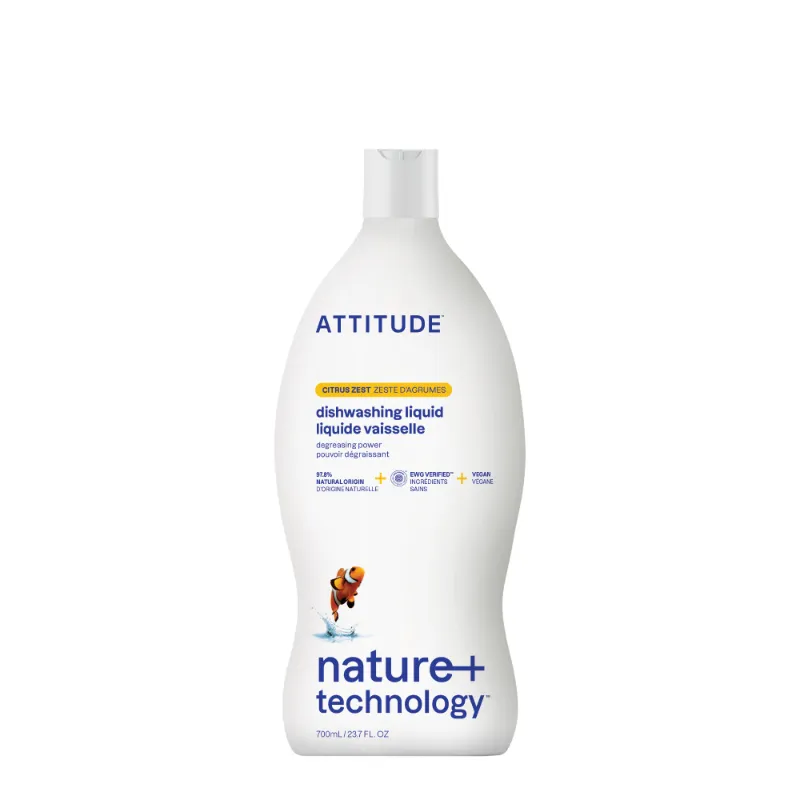
ATTITUDE dishwasher soap can leave residue on your dishes when hard water minerals, incorrect dosing, or appliance maintenance issues prevent proper rinsing. We tested dozens of natural cleaning products and found that residue problems almost always trace back to a handful of fixable causes rather than the detergent formula itself.
Below we walk through the most common culprits and show you exactly how to troubleshoot each one so your dishes come out spotless every time.
What Causes Dishwasher Soap Residue in the First Place
Residue typically appears as a white film, chalky spots, or gritty texture on glassware and plates. The root cause is usually undissolved detergent or mineral deposits that did not rinse away during the final cycle.
Natural and plant-based formulas like ATTITUDE dishwasher soap rely on enzymes and biodegradable surfactants instead of harsh phosphates, so they perform differently in very hard water or when overused. Hard water contains high levels of calcium and magnesium, which bind to detergent molecules and form insoluble compounds that cling to dishes.
Other factors include low water temperature, insufficient rinse aid, overloading the dishwasher, or a clogged spray arm that cannot distribute water evenly. Each of these reduces the machine's ability to dissolve and flush away soap completely.
How to Fix Residue From Hard Water
Hard water is the number-one reason dishwasher soap leaves a film. If your tap water measures above 120 ppm (parts per million) of hardness, minerals will interfere with detergent performance.
- Test your water hardness with an inexpensive strip kit or check your municipal water report online
- Add a rinse aid to every load; it breaks surface tension and helps water sheet off dishes instead of beading
- Run the hot water tap at your sink before starting the dishwasher to ensure the first fill is hot enough to dissolve detergent
- Install a water softener if hardness exceeds 180 ppm, or use a citric-acid dishwasher cleaner monthly to remove mineral buildup inside the machine
Many best dishwasher soap formulas include built-in rinse agents, but ATTITUDE and other natural brands often skip synthetic additives. That means you need to supply rinse aid separately for optimal results. Grab the code to save on your next order and pair it with a quality rinse aid.
Adjust Your Detergent Dose and Placement
Using too much detergent is just as problematic as using too little. Excess soap cannot fully dissolve, leaving a sticky residue that traps food particles and minerals.
- Start with half the recommended dose and increase only if dishes are not clean
- Place liquid dishwasher soap in the main-wash compartment, not the pre-wash cup, so it releases at the right time
- Avoid mixing brands or formulas in the same load; residue from one product can react with another
- Skip the pre-rinse if your detergent includes enzymes that need food soil to activate
If you have been switching between dishwasher soap pods, tablet dishwasher soap, and dishwasher soap liquid, stick with one format for a few cycles to see which works best in your water conditions. ATTITUDE offers a liquid formula that disperses quickly, but you still need to measure carefully.
Clean Your Dishwasher and Check the Spray Arms
A dirty dishwasher cannot rinse properly, no matter which detergent you use. Food debris, grease, and old detergent build up in the filter, spray arms, and door gasket over time.
- Remove and rinse the filter every two weeks under hot running water
- Inspect the spray arms for clogged holes; use a toothpick to clear any blockages
- Wipe the door gasket and edges with a damp cloth to remove trapped soap and grime
- Run an empty cycle with two cups of white vinegar in the bottom of the tub once a month to dissolve mineral deposits
Consumer Reports testing shows that well-maintained machines deliver consistently cleaner results across all dishwasher soap brands. A clogged spray arm is especially common and easy to miss, but it cuts water pressure by half and leaves entire zones of the dishwasher under-rinsed.
Load Your Dishwasher Correctly to Avoid Residue
Overloading blocks water spray and traps detergent between nested dishes. Proper loading is as important as choosing the right detergent.
- Leave space between items so water can reach all surfaces
- Angle bowls and cups downward so water drains instead of pooling
- Place large items on the sides and back, not in the center where they block the spray arm
- Keep plastics on the top rack away from the heating element, which can bake on residue
If you consistently see residue on the same types of dishes, rearrange your loading pattern. Glassware in the center often collects more film because the spray cannot reach it from multiple angles.
When to Switch Dishwasher Soap Brands or Formulas
If you have corrected water hardness, dosing, machine maintenance, and loading but still see residue, the formula itself may not suit your water chemistry. Natural formulas like ATTITUDE work beautifully in soft to moderately hard water but sometimes struggle above 150 ppm without extra rinse aid.
Compare your results to mainstream brands like dishwasher soap finish or dishwasher soap dawn, which include synthetic surfactants and chelating agents designed for extreme water conditions. You can also explore other natural options at check the latest price and test a smaller size first.
That said, we recommend exhausting all troubleshooting steps before switching products. Most residue complaints resolve once water temperature, rinse aid, and machine cleanliness are optimized.
Keep Your Dishes Spotless With Consistent Maintenance
Residue-free dishes come from the combination of the right detergent dose, adequate rinse aid, hot water, and a clean machine. ATTITUDE dishwasher soap delivers excellent cleaning power when your system is dialed in, and the plant-based formula is safer for your family and the environment.
We suggest running a vinegar cycle monthly, checking your spray arms quarterly, and testing your water hardness at least once a year. Small adjustments to your routine will eliminate residue and extend the life of your dishwasher. For ongoing savings, visit our discount page to access the current offer on all ATTITUDE products.
Frequently asked questions
Why does ATTITUDE dishwasher soap leave a white film on my glasses?
A white film usually signals hard water minerals binding with detergent. Add a rinse aid to every load, run hot water at the sink before starting the cycle, and clean your machine's filter and spray arms monthly to prevent buildup.
How much dishwasher soap should I use per load?
Start with half the recommended dose and adjust based on water hardness and soil level. Using too much soap creates more residue than using too little, especially in soft water.
Can I use vinegar instead of rinse aid with natural dishwasher detergent?
White vinegar works as a short-term rinse aid substitute, but commercial rinse aids are formulated to sheet water off dishes more effectively. For best results with plant-based formulas, use a dedicated rinse aid in the dispenser.
Do dishwasher soap pods leave less residue than liquid formulas?
Pods and liquid both perform well when dosed correctly. Pods can leave residue if they do not fully dissolve due to low water temperature or a blocked dispenser, while liquid allows you to adjust the amount for your specific water conditions.
How often should I clean my dishwasher to prevent detergent residue?
Rinse the filter every two weeks, wipe the door gasket weekly, and run an empty vinegar cycle once a month. Check and clear the spray arm holes every three months to maintain even water distribution.
Will switching to a different dishwasher soap brand fix my residue problem?
Switching brands may help if your water is very hard and your current formula lacks chelating agents, but most residue issues stem from water hardness, incorrect dosing, or machine maintenance rather than the detergent itself.