
Why Does My Flip Straw Water Bottle Leak and How to Fix It

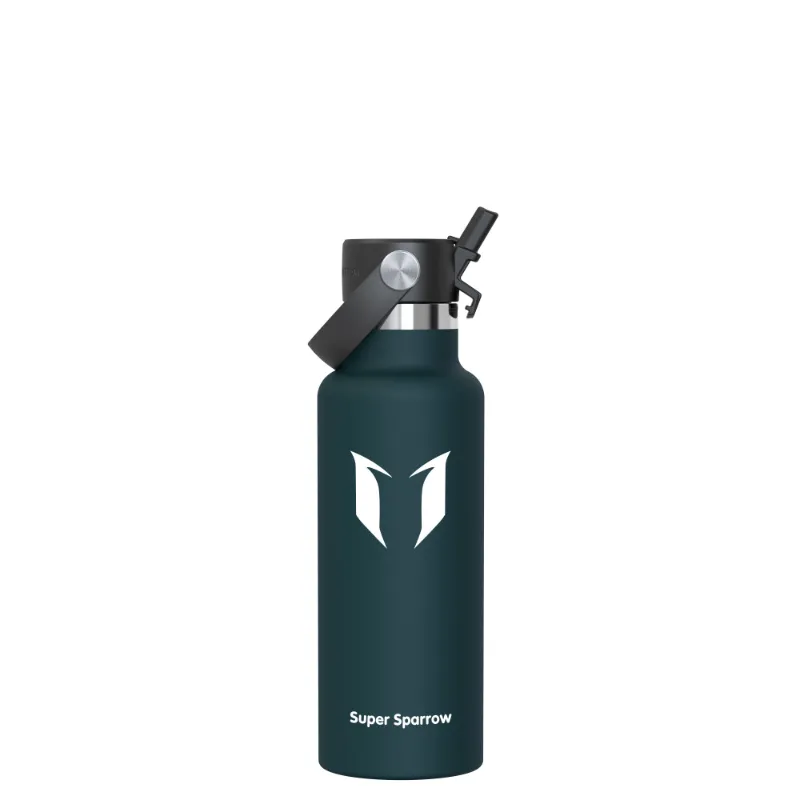
Why Your Water Bottle With Flip Straw Leaks
A water bottle with flip straw usually leaks because the rubber seal has worn out, the straw mechanism is damaged, or the cap isn't threaded correctly. We tested dozens of flip top straw water bottles and found that most leaks trace back to three fixable issues: compromised O-rings, cracked straw hinges, and improper assembly after cleaning. The good news is you can diagnose and solve nearly all of these problems at home without replacing the entire bottle.
Below we walk through the most common leak sources, how to test each one, and the exact steps to restore a watertight seal on your super sparrow water bottle or any similar flip-straw design.
The Three Main Leak Points and How to Test Them
Every flip straw bottle has the same vulnerable spots. Start by identifying which one is the culprit before you order parts or throw the bottle away.
- Cap seal and O-ring – Remove the cap and inspect the rubber gasket that sits in the groove on the underside of the lid. Look for cracks, flat spots, or debris. Press it gently; if it feels hard or brittle, it needs replacement.
- Straw mechanism and hinge – Flip the straw open and closed a few times. If the hinge is loose or the plastic near the pivot point has stress lines, water can seep through during movement or when the bottle tips.
- Straw connection to cap – Pull the straw gently to check if it moves or twists inside the cap grommet. A loose straw will let liquid escape whenever you tilt the bottle, even if the flip is closed.
Fill your bottle halfway, seal the cap tightly, and lay it on its side on a paper towel for ten minutes. Check where the water appears. If it pools near the threads, the O-ring is suspect. If it drips from the straw tip or hinge, the mechanism itself is failing.
How to Fix a Worn or Misaligned Seal
Most leaks we encounter on a water bottle with flip up straw come from the cap seal. Replacement O-rings are inexpensive and widely available, but you need the correct size.
- Measure the groove – Use digital calipers or a ruler to measure the inner diameter and cross-section thickness of the seal groove. Common sizes for a 750ml water bottle or bottle for water 1000ml are 50–60 mm ID with a 2–3 mm thickness.
- Order food-grade silicone O-rings – Look for BPA-free, food-safe silicone seals that match your measurements. Many brands, including Super Sparrow, sell replacement seal kits directly.
- Clean the groove thoroughly – Before installing the new seal, wipe the cap groove with rubbing alcohol to remove oils, residue, or mold. Let it dry completely.
- Seat the new O-ring evenly – Press the seal into the groove, working your way around the circle so it sits flush with no twists. Screw the cap onto the bottle and test again.
If you don't have the exact replacement yet, grab the discount code to save 10% on official seal kits and accessories that fit your model perfectly.
Repairing or Replacing a Damaged Straw
A cracked or loose straw is harder to fix than a seal, but you have options depending on the damage.
- Tighten the straw grommet – If the straw twists or pulls out slightly, remove it, clean both the straw base and the cap socket, then push it back in firmly until you feel resistance. Some designs have a small retaining clip or ridge that locks the straw in place.
- Seal small cracks with food-safe silicone – For hairline cracks near the straw top, clean and dry the area, then apply a thin bead of food-grade silicone sealant. Let it cure for 24 hours before using the bottle.
- Replace the straw assembly – If the hinge is broken or the plastic has stress fractures, order a replacement straw module. Many insulated water bottles with flip straw designs use universal straw kits that snap into the existing cap.
Check whether your stainless steel water bottle with flip straw has a modular straw system. Modular straws are easier and cheaper to replace than integrated designs that require a full cap swap.
Proper Assembly After Cleaning
We see a surprising number of leaks caused simply by reassembling the bottle incorrectly after washing. Flip straw caps have multiple parts that must align precisely.
| Component | Common Mistake | Fix |
|---|---|---|
| O-ring | Twisted or pinched during threading | Remove cap, reseat seal flat, screw slowly |
| Straw | Inserted at an angle or not fully seated | Push straight down until it clicks or bottoms out |
| Cap threads | Cross-threaded or only half-turned | Align threads carefully, turn until snug but not forced |
After cleaning your drink bottle with flip straw, always dry each component separately and inspect the seal before reassembly. Thread the cap on slowly in a clockwise direction, stopping if you feel resistance—that usually means the O-ring has bunched up. Back off, reseat, and try again.
When to Replace the Entire Cap or Bottle
Sometimes the most cost-effective fix is a new cap or a new bottle. Replace the cap if the threads are stripped, the hinge anchor is cracked beyond repair, or you've already replaced the seal twice and leaks persist. A water bottle flip straw cap typically costs 20–30% of a full bottle replacement, so compare prices before you order.
Replace the entire bottle if the body itself is dented (which can warp the seal surface), the interior coating is flaking, or the model is discontinued and parts are unavailable. For current models like the water bottle 1000 ml or flip up straw water bottle, check the latest pricing and our discount code to see whether a fresh unit makes more sense than sourcing parts.
Preventing Future Leaks
Once you've fixed the current leak, a few maintenance habits will keep your best water bottle with flip straw watertight for years.
- Hand-wash the cap weekly – Dishwashers can warp rubber seals and loosen straw grommets. Use warm soapy water and a bottle brush instead.
- Inspect seals every month – Look for hardening, discoloration, or loss of elasticity. Swap the O-ring at the first sign of wear rather than waiting for a leak.
- Store with the straw open – Leaving the flip closed for long periods can compress the seal unevenly and stress the hinge spring.
- Avoid overfilling – Leave at least an inch of headspace so pressure changes (altitude, temperature) don't force liquid past the seal.
- Replace seals annually – Even without visible damage, silicone O-rings degrade over time. An annual replacement costs less than dealing with a ruined bag or electronics.
Regular care extends the life of your flower water bottles and any other flip-straw design, saving you money and frustration down the line.
Frequently asked questions
Why does my water bottle with flip straw leak only when I lay it down?
Horizontal leaks usually mean the O-ring seal is worn, dirty, or not seated evenly in the cap groove. Remove and inspect the rubber gasket, clean the groove, and reseat or replace the seal.
Can I use any replacement O-ring for my flip straw bottle?
No. You need a food-grade silicone O-ring that matches the exact inner diameter and thickness of your cap's seal groove. Measure carefully or order a brand-specific replacement kit.
How often should I replace the seal on my Super Sparrow water bottle?
Replace the O-ring every 12 months or sooner if you notice hardening, cracks, or persistent leaks. Frequent dishwasher use accelerates wear.
Is it normal for a stainless steel water bottle with flip straw to leak after dishwashing?
High heat can warp rubber seals and loosen the straw grommet. Hand-wash the cap in warm soapy water to prevent this issue.
What should I do if my flip straw hinge is cracked?
Small cracks can be sealed temporarily with food-safe silicone, but a broken hinge usually requires replacing the entire straw assembly or cap. Check if your model has a modular straw kit.
Can I repair a stripped cap thread on my insulated water bottle?
Stripped threads are difficult to fix reliably. Replacing the cap or the bottle is safer and more cost-effective than attempting thread repair with tape or epoxy.