
Why Is My Pantheon Jewelry Turning Color? Common Causes and Fixes

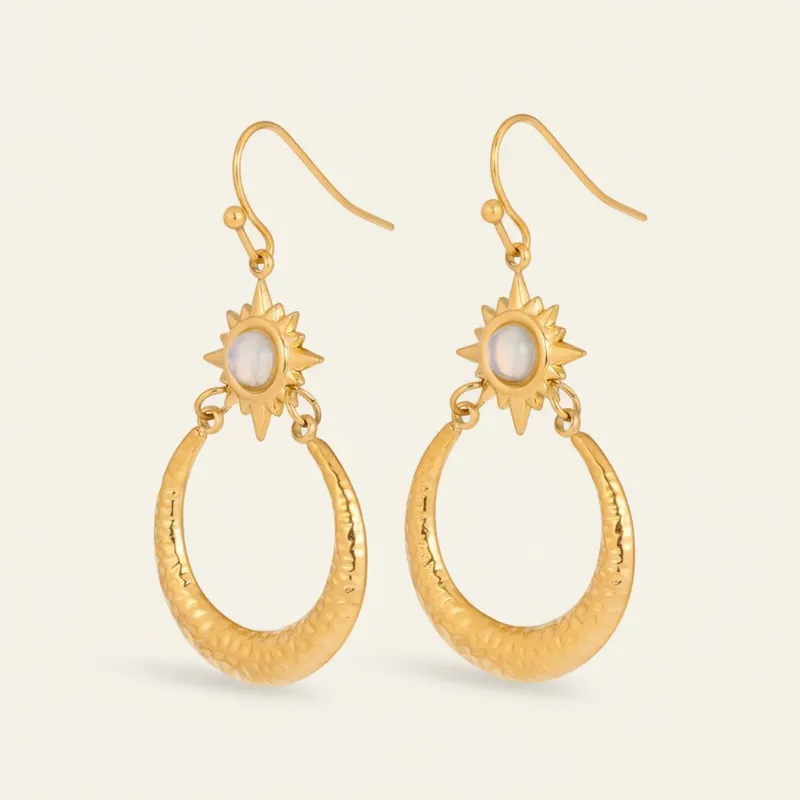
# Why Is My Pantheon Jewelry Turning Color? Common Causes and Fixes
You've invested in a beautiful piece of pantheon jewelry, only to notice a few weeks later that it's looking dull, discolored, or even greenish on your skin. Frustrating? Absolutely. But before you assume you've been sold a fake, know this: discoloration is one of the most common issues in fashion and plated jewelry — and in most cases, it's fixable and preventable.
In this guide, we'll walk through exactly why pantheon jewelry and other statement pieces turn color, what those different discolorations mean, and how to bring your favorites — like the coraline ring or the seraph necklace — back to life.
*(And if you're shopping for replacements or additions, don't miss the 60% OFF sitewide offer on our Seraphina Treasures discount code page.)*
Why Pantheon Jewelry Turns Color: The Main Causes
Pantheon-inspired designs — pieces featuring classical architecture, Roman columns, and mythological motifs — have become a beloved jewelry trend. Designers like those behind the Sterling silver Rome Pantheon round pendant celebrate ancient Rome in miniature, and modern collections continue the tradition. The team at Olympian Gods in Jewellery: the Greek Pantheon – Zevira notes that mythological and architectural motifs have been worn for centuries — but whether it's ancient inspiration or modern fashion, the metal still behaves the same way.
Here's what's really happening when your jewelry changes color:
1. Tarnish (the most common culprit)
Silver and silver-plated jewelry reacts with sulfur in the air, forming silver sulfide — a dark, yellowish, or blackish film. Tarnish is a surface reaction, not a sign your jewelry is ruined. The Pantheon Pendant Gold Plated Sterling Silver from co ro jewels is a perfect example of a piece that combines sterling silver with gold plating: the plating protects the silver underneath, but once that layer wears thin, tarnish sets in fast.
2. Worn or thin plating
Most affordable pantheon jewelry is gold-plated or rhodium-plated over a base metal. Over time — especially with daily wear — the plating wears away, exposing the base metal underneath. That's when you start seeing yellow patches, dull spots, or darker tones peeking through.
3. Chemical reactions with your skin and products
Your body chemistry plays a bigger role than you'd think. Sweat, lotions, perfumes, sunscreen, chlorine, and even the acidity of your skin can accelerate discoloration. If you notice your seraphine jewelry darkens faster on humid days or after workouts, that's the reaction in action.
4. The green-skin mystery
Green marks on your skin come from copper in the metal alloy reacting with moisture and acids on your skin. It's harmless — but it's a sign the protective plating has worn through and your piece needs attention.
5. Moisture and humidity
Storing jewelry in a humid bathroom is one of the fastest ways to kill its shine. Moisture speeds up both tarnish and plating breakdown dramatically.
How to Fix Discolored Pantheon Jewelry
Good news: most discoloration is reversible. Here's how to handle it depending on the cause:
- For tarnish: Gently polish with a dedicated silver polishing cloth. For heavier tarnish, use a mild silver cleaner or a paste of baking soda and water, applied with a soft cloth — never a scrubbing brush, which can scratch plating.
- For gold-plated pieces: Be extra gentle. Warm water, a drop of dish soap, and a soft cloth are all you should use. Harsh chemicals will strip what plating remains.
- For green residue on skin: Wash the area with soap and water. It's cosmetic, not dangerous. To stop it from recurring, replate the piece or keep skin dry where the jewelry sits.
- For worn plating: Take the piece to a jeweler for professional replating. It's often very affordable and can make an older piece look brand new.
How to Prevent It From Happening Again
Prevention is where the real savings are. Follow these habits and your pantheon jewelry will stay gorgeous for years:
- Last on, first off. Put jewelry on after applying perfume, lotion, and hairspray — and take it off before showering, swimming, or exercising.
- Store it smart. Keep pieces in airtight bags or a lined jewelry box with anti-tarnish strips, away from bathroom humidity.
- Wipe after wear. A quick wipe with a soft cloth removes skin oils and sweat that cause reactions.
- Rotate your pieces. Daily wear accelerates plating wear. Rotating between your favorites gives each one a break.
Building a Collection That Lasts
If your current pieces are beyond saving, it may be time to refresh your collection with well-made, properly plated designs. Some of our most durable, wear-friendly picks:
- The pantheon jewelry collection — classical, Roman-inspired statement pieces designed for everyday wear
- The Seraphina velara — an elegant staple that pairs beautifully with architectural motifs
- The amoria — a romantic accent piece that resists everyday dullness when cared for properly
- The seraphine jewelry line — versatile classics that layer effortlessly
- The coraline ring — a standout ring that holds its finish with basic care
- The seraph necklace — a delicate pendant piece that stays luminous with proper storage
- The Seraphina astraya — a celestial-inspired favorite for special occasions
Pro tip: Right now you can grab any of these at 60% OFF sitewide with our Seraphina Treasures discount code — a great opportunity to stock up on quality pieces while the offer lasts.
The Bottom Line
Jewelry turning color isn't a mystery — it's chemistry. Tarnish, worn plating, moisture, and skin reactions are all behind the dulling, darkening, and green tints that show up over time. The fixes are simple (polish, clean gently, replate if needed), and the prevention habits are even simpler (keep it dry, store it airtight, put it on last and take it off first).
Treat your pantheon jewelry with a little care, and those classical Roman-inspired designs will keep their shine — and keep turning heads — for years to come.
Frequently asked questions
Is it bad if my pantheon jewelry turns my skin green?
Green marks come from copper in the metal alloy reacting with moisture, sweat, and acids on your skin. It's harmless, but it usually means the protective plating has worn through and the piece needs replating or gentler care.
How do I know if my jewelry is tarnished or actually rusting?
Tarnish is a surface reaction between silver and sulfur in the air, forming a dark or yellowish film — it can be polished away. Rust (oxidation of iron) doesn't occur in silver or gold-plated jewelry, but base metal corrosion can appear once plating wears off.
Can I use toothpaste to clean gold-plated jewelry?
No — don't use toothpaste. It's mildly abrasive and will scratch and wear down gold or rhodium plating. Instead, use warm water, a drop of dish soap, and a soft cloth.
What's the best way to store jewelry to prevent discoloration?
Store pantheon jewelry in an airtight bag or lined jewelry box with anti-tarnish strips, away from bathroom humidity, and wipe pieces with a soft cloth after each wear.