
Tuesday in Love Nail File 100/180: Which Grit to Use for Shaping and Smoothing Nails

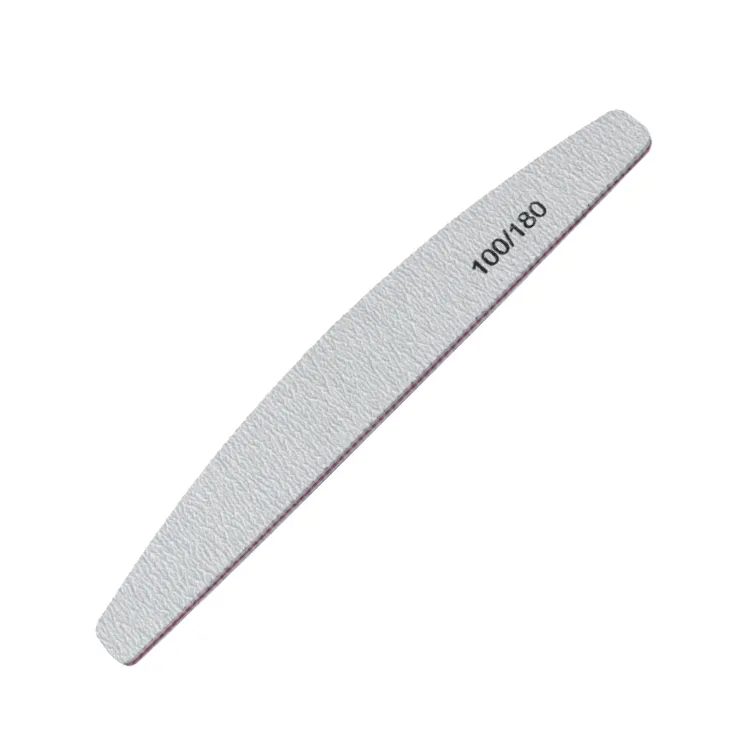
A nail file 100/180 is best for shaping enhancements with the 100-grit side and refining edges or smoothing sturdier natural nails with the 180-grit side. For Tuesday in Love shoppers, the nail file 100/180 is the practical hand file to keep beside your halal manicure kit because it handles shortening, edge cleanup, and light surface prep without needing a salon setup.
The key is pressure. The file is only as gentle as your technique, so use short, controlled strokes and stop before the nail feels hot, thin, or sensitive.
Nail File 100/180 Grit: What Each Side Is For
A nail file 100/180 grit has two abrasive levels on one board. The lower number is coarser, and the higher number is finer. That means the 100 side removes product faster, while the 180 side gives more control.
| Grit side | Best use | Avoid using it for |
|---|---|---|
| 100 grit | Reducing length on acrylic, hard gel, dip, or thicker enhancements | Thin, peeling, or weak natural nails |
| 180 grit | Shaping edges, refining overlays, smoothing sturdy natural nails | Heavy product removal where speed matters |
If you have ever searched “100/180 nail file which side is which,” the rougher-feeling face is usually the 100 side. The smoother-feeling face is usually the 180 side. If both sides feel similar at first, test them lightly on the free edge of a nail tip, not on the center of your natural nail plate.
What Is a 100/180 Grit Nail File Used For?
A 100/180 grit nail file used for home manicures is mainly about controlled shaping, not aggressive drilling. We like it for jobs where scissors or clippers feel too blunt, but a professional nail file electric tool would be too much for a beginner.
Use the 100 side for:
- Shortening thick gel or acrylic extensions before soaking or removal
- Taking down bulky product near the free edge
- Reshaping square, coffin, almond, or oval tips on enhancements
- Evening out an artificial nail that looks uneven from the side
Use the 180 side for:
- Smoothing the free edge after trimming natural nails
- Refining shape after the 100 side has done the heavy work
- Lightly blending product edges during removal prep
- Tidying nails before applying halal nail colour, polish, or nail art
For natural nails, we strongly prefer starting with the 180 side. If the nail bends easily, flakes, or is recovering from nail biting, skip the 100 side entirely and use a gentler touch.
How to Shape Nails Without Thinning Them
Good filing is slower than most people expect. The goal is to remove a little at a time, check the shape, and keep the nail strong enough to hold polish.
- Wash and dry hands so the file does not slip.
- Decide the shape before you start: square, squoval, oval, almond, or short round.
- Use the 100 side only on thick enhancements or major length reduction.
- Switch to the 180 side for refining the edge.
- File from the outer corner toward the center, then repeat on the other side.
- Avoid sawing back and forth on weak natural nails.
- Dust off, check symmetry, and stop before the nail feels warm.
If you are preparing for a fresh manicure, this is also the point to check the latest store price or grab the code before restocking polish, remover, or tools. Current offers can change, so we prefer linking to the live Tuesday in Love coupon page instead of quoting a price that may be outdated.
Filing Before Gel Removal: Where Remover Fits
Filing can help gel removal, but it should not replace remover. The file’s job is to break the glossy top layer and reduce bulk. The remover’s job is to soften the coating so you are not scraping your nail plate.
A safe at-home flow looks like this:
- Use the 180 side to lightly remove shine from the gel top coat.
- If the coating is thick, use the 100 side only on the product surface, not deep into the natural nail.
- Apply gel nail polish remover according to the product directions.
- Wait as instructed, then gently lift softened polish without forcing it.
- Repeat if needed rather than digging at stuck patches.
Tuesday in Love also lists nail varnish gel remover, which suits shoppers who search using “varnish” rather than “polish.” The same principle applies: file lightly, let the remover do the chemical work, and protect the natural nail from over-buffing.
Comparing 100/180 With 180/240 Grit Files
A common comparison is nail file 100/180 versus an 180/240 grit nail file. Neither is automatically better. They solve different problems.
| File type | Feel | Best for |
|---|---|---|
| 100/180 | Medium-coarse to medium | Enhancements, shaping, gel-removal prep |
| 180/240 | Medium to fine | Natural nail finishing, smoothing, gentle edge work |
Choose 100/180 if you wear gel extensions, acrylic, dip, or thicker overlays and want one file that can reduce length and refine shape. Choose 180/240 if your nails are natural, thin, or prone to splitting.
If you only buy one file for a mixed routine, the Tuesday in Love option is more versatile for enhancement wearers. If your routine is mostly short natural nails with light polish, a finer file may feel more forgiving.
Pairing the File With Tuesday in Love Nail Colours
The file sets the foundation for how polish looks. Uneven free edges make chrome, cat eye, and darker shades show imperfections more easily, so shaping matters before the first coat.
For a clean finish:
- Shape first, then dust thoroughly.
- Use the 180 side to refine corners that catch on fabric.
- Keep the surface prep minimal unless the polish instructions call for buffing.
- Apply thin coats and cap the free edge when the formula allows it.
If you are shopping for breathable or faith-conscious manicures, Tuesday in Love is known for halal nail colour options. For a statement look, pink chrome nail polish benefits from very tidy edges because reflective finishes highlight uneven tips. Magnetic styles such as emerald green cat's eye nails also look sharper when the nail shape is consistent from hand to hand.
For UV-cured routines, consider protective habits too. UV gloves are a useful add-on for people who cure gel frequently and want coverage on the surrounding skin while leaving nails exposed. You can check the latest price and code availability before adding care accessories to your order.
Who Should Use the 100 Side, and Who Should Avoid It?
The 100 side is not bad. It is simply stronger than many natural nails need. We recommend treating it as an enhancement tool first.
The 100 side suits:
- Acrylic wearers reducing length
- Hard gel or builder gel users reshaping bulk
- Dip powder users preparing for removal
- Experienced at-home users who file with light pressure
The 100 side may be too aggressive for:
- Thin or flexible natural nails
- Nails damaged by peeling gel polish
- Nails recovering from nail biting
- Children’s nails or very short nail beds
- Anyone who tends to rush filing
If nail biting has left the free edge uneven, focus on growth and gentle shaping instead of aggressive correction. A smoother 180-grit approach can help prevent snags without taking away more nail than necessary.
Care, Cleaning, and When to Replace Your File
A hand file is a low-cost tool, but it still needs basic care. A dirty or worn file can drag, shed grit unevenly, or make you press harder than you should.
Good habits include:
- Tap off dust after each use.
- Use a clean manicure brush to remove trapped particles.
- Keep files dry between uses.
- Do not share personal nail files if there are cuts, lifting, or irritation.
- Replace the file when it feels smooth, clogged, bent, or inconsistent.
Store it away from remover spills and wet counters. If the file loses bite, do not compensate with pressure. That is when people usually over-file corners, heat up enhancements, or thin the natural nail by mistake.
Bottom Line: The Right Grit Makes the Manicure Easier
The 100 side is for faster shaping on enhancements, while the 180 side is the safer everyday choice for refining and smoothing. Used with light pressure, the file can make gel removal cleaner, polish application neater, and at-home manicures more predictable.
If you are building a Tuesday in Love kit, pair the file with the remover and colour products that match your routine, then use the store coupon page to find the current offer before checkout. That way you are choosing based on nail health first, then checking the live deal when you are ready to buy.
Frequently asked questions
On a nail file 100/180, which side is which?
The 100 side is the rougher side, and the 180 side is the smoother side. Use the 100 side for thicker enhancements and the 180 side for refining edges or sturdier natural nails.
Is a 100/180 grit file safe for natural nails?
It can be, but the 100 side is usually too coarse for natural nails. For natural nails, use the 180 side with light pressure and avoid filing the nail surface unless the product directions require prep.
Can I use the file before gel nail polish remover?
Yes, but only to lightly break the shiny top coat or reduce bulky product before using remover. Do not file deeply into the natural nail, and let gel nail polish remover do the softening work.
Should I choose 100/180 or 180/240 grit?
A 100/180 file is better for enhancements and heavier shaping, while an 180/240 file is gentler for natural nails and finishing. If your nails are thin or peeling, choose the finer option.
How often should I replace a nail file?
Replace it when the grit feels smooth, clogged, uneven, or when you need extra pressure to make it work. A worn file can cause rough edges and over-filing.