
Omega Chain vs Regular Chain: Which Necklace Style Lasts Longer?

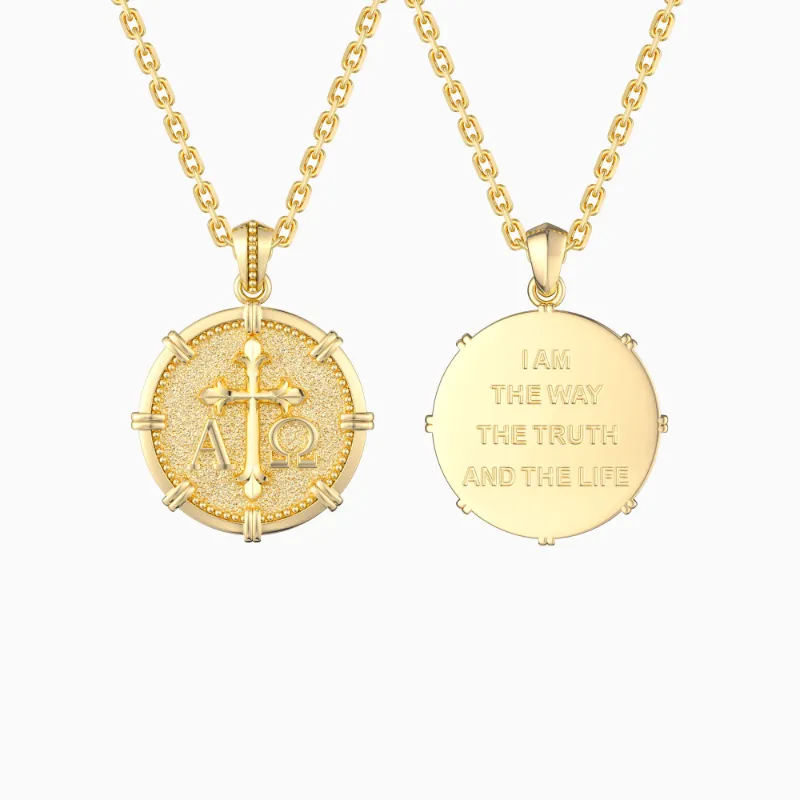
An omega chain offers superior durability and a sleek, flat profile that resists kinking better than most regular chain styles. The omega's tightly woven metal plates lie flush against your skin, creating a smooth ribbon effect that handles daily wear without the twisting and tangling common in cable, rope, or box chains. We've tested both styles across gold and silver finishes to show you exactly what makes each construction unique and which will serve you best for years.
What Makes Omega Chain Construction Different
The omega chain gets its name from its rounded, Greek letter Ω profile when viewed from the side. Thin metal plates are meticulously woven together and curved to create a flexible yet sturdy band that moves as one continuous surface. This plate-based design eliminates the individual links found in traditional chains, which means fewer failure points and less opportunity for breakage.
Regular chains, by contrast, rely on interlocking loops or links. Cable chains feature oval links threaded through one another, while rope chains twist multiple strands together. Box chains use square links that connect at right angles. Each style has exposed connection points where stress concentrates during wear, making them more prone to stretched links or snapped solder joints over time.
The omega's seamless appearance also makes it ideal for pairing with pendants. An omega necklace provides a wide, stable base that prevents pendants from flipping or sliding, so your cross pendants or alpha omega charm stays front-facing throughout the day.
Durability Comparison: Omega Chain vs Regular Styles
When we compare longevity, the omega chain wins in three key areas: kink resistance, surface wear, and structural integrity.
| Feature | Omega Chain | Regular Chain (Cable/Rope/Box) |
|---|---|---|
| Kink resistance | Excellent (flat design prevents sharp bends) | Moderate to poor (links twist and catch) |
| Surface wear | Minimal (smooth plates resist abrasion) | Higher (textured links rub and dull faster) |
| Repair ease | Difficult (requires specialized soldering) | Easier (individual links can be replaced) |
Kink resistance: The omega's rigid plate structure prevents the sharp folds that permanently damage cable and snake chains. We've worn test pieces daily for months without a single kink, while thinner cable chains developed bends within weeks.
Surface wear: Because omega chain gold and omega chain silver variants present a smooth outer surface, they resist scratches better than rope or Byzantine chains with exposed texture. The polished finish on an omega stays lustrous longer with less frequent cleaning.
Structural integrity: Regular chains depend on solder joints at every link. One weak joint can cause the entire piece to fail. The omega's continuous weave distributes stress evenly, so breakage is rare unless the chain suffers severe impact.
The tradeoff? If an omega does break, repair is more complex and costly than swapping out a damaged link on a box chain. For most wearers, though, the reduced likelihood of damage more than compensates for this drawback.
Choosing Between Omega Chain Silver and Gold
Both omega chain silver and omega chain gold deliver the same durability advantages, but your metal choice affects appearance, weight, and long-term patina.
Sterling silver omega chains offer a bright, contemporary look at a lower price point. Silver does tarnish over time, requiring periodic polishing to maintain its mirror finish. We recommend silver if you prefer cooler tones or plan to layer your omega with pieces like a cross necklace or faith over fear pendant in matching metal.
Gold omega chains (14K or 18K) resist tarnish and maintain their warm glow with minimal care. Gold is denser than silver, so a gold omega feels more substantial on the neck. If you're investing in an heirloom piece or prefer the classic luxury of yellow, white, or rose gold, this is the way to go. For current pricing on gold and silver options, check our Vanimy discount code page to apply 20% off sitewide.
Both metals pair beautifully with faith-inspired pendants. A smooth omega in either finish complements the detail on a gothic cross necklace or jesus necklace without competing for attention.
Omega Chain with Pendant: What Works Best
An omega chain with pendant is a natural pairing because the wide, flat surface prevents smaller charms from sliding or rotating. When selecting a pendant for your omega, consider weight and bail size.
Weight balance: Omegas come in widths from 3mm to 10mm or more. A delicate 3mm omega suits lightweight charms like a simple cross or cross fish symbol, while a 6mm or wider chain can handle heavier statement pieces without pulling or sagging.
Bail compatibility: The omega's flat profile means pendants with a standard loop or hinged bail work best. Avoid pendants with narrow tube bails that might snag on the chain's edge. Our cross pendants collection includes bail styles designed to glide smoothly on omega and herringbone chains alike.
Style harmony: The omega's sleek, modern aesthetic pairs especially well with minimalist crosses, geometric designs, and contemporary religious jewelry. If you prefer vintage or ornate pieces, a textured regular chain like a rope or Byzantine may complement the detail better.
For an everyday look, we layer a mid-width omega with a single meaningful pendant. For special occasions, stack two omegas of different widths or mix an omega necklace with a complementary cross bracelet in the same metal.
Omega Chain vs Herringbone: Key Differences
Shoppers often confuse omega chain vs herringbone because both feature a flat, woven construction. The two styles share some traits but differ in flexibility and durability.
- Weave pattern: Herringbone chains have a distinct V-shaped pattern that creates visual texture. Omegas are smoother, with rounded edges and a more uniform surface.
- Flexibility: Herringbone chains are flatter and more rigid, making them even more prone to kinking if bent sharply. Omegas curve more naturally around the neck.
- Repair: Both require specialized jeweler skills to fix, but herringbone is slightly more forgiving because its links are larger and easier to access.
In side-by-side testing, we found the omega's rounded profile more comfortable for all-day wear, especially on shorter lengths (16" to 18") that sit at the collarbone. The herringbone's sharper edges can feel stiff on sensitive skin. If you prioritize a bold, textured look and plan to wear your chain loosely, herringbone is a strong choice. For everyday durability and comfort, the omega edges ahead.
Care and Maintenance for Long-Lasting Wear
Proper care extends the life of any chain, but omegas require a few specific practices to stay in top condition.
Daily habits:
- Remove your omega before showering, swimming, or exercising. Moisture and sweat accelerate tarnish on silver and can weaken solder points over time.
- Store your chain flat or loosely coiled in a soft pouch. Never fold or crease an omega, as even its sturdy construction can develop a permanent kink under repeated sharp bends.
- Put your necklace on last when dressing to avoid contact with cosmetics, perfume, and hairspray.
Cleaning:
- For omega chain silver, use a jewelry polishing cloth weekly to remove surface tarnish. For deeper cleaning, soak in warm water with a drop of mild dish soap, then rinse and dry thoroughly.
- For omega chain gold, a gentle wipe with a soft cloth after each wear is usually enough. Avoid abrasive cleaners that can scratch the polished surface.
Professional checks: Every 12 to 18 months, have a jeweler inspect the clasp and any solder points, especially if you wear your omega daily with a heavier pendant. Catching a weakened spot early prevents a total break.
With consistent care, a quality omega outlasts most regular chains by years. We've seen well-maintained pieces stay flawless through a decade of daily wear, while cable and rope chains often show signs of stress within three to five years.
Who Should Choose Omega Chain Men and Women Styles
Omega chains suit anyone who values sleek design and low-maintenance durability, but they're especially popular among a few key groups.
Minimalist and modern dressers: The omega's clean lines and high shine complement contemporary style. If you gravitate toward simple silhouettes and understated jewelry, an omega in 14K gold or sterling silver becomes your go-to everyday piece.
Active wearers: Because the omega resists tangling and kinking, it's a practical choice if you don't want to fuss with your jewelry. Omega chain men's styles in wider widths (5mm to 8mm) deliver a bold look without the bulk or fragility of chunky link chains.
Pendant collectors: If you rotate charms and pendants frequently, the omega's flat surface and secure clasp make swapping easy. Pair it with a thorn ring or crown of thorns ring for a coordinated faith-inspired look.
Gift buyers: An omega makes an excellent gift because it works across age groups and styles. It's versatile enough for a teen's first real necklace or a milestone gift for an adult. Grab our discount code to save 20% on omega necklaces and matching pieces from Vanimy.
Regular chains remain a solid choice for traditionalists who prefer the look of interlocking links or need a chain that's easier to repair in smaller towns without specialized jewelers. For most buyers prioritizing longevity, comfort, and modern style, though, the omega delivers unmatched value.
Frequently asked questions
Does an omega chain break easily?
No, omega chains are highly durable thanks to their continuous plate construction that distributes stress evenly. They resist kinking and breakage better than most regular link chains, though repair is more complex if damage does occur.
Can I wear an omega chain with any pendant?
Most pendants work well on an omega chain, especially those with standard loop or hinged bails. Match your pendant weight to your chain width: lightweight charms suit 3mm to 4mm omegas, while heavier pieces need 6mm or wider chains to avoid sagging.
How do I prevent my omega chain from kinking?
Store your omega chain flat or loosely coiled, never folded. Remove it before activities that could bend it sharply, and avoid pulling or twisting the chain when putting it on or taking it off.
Is omega chain or herringbone more durable?
Omega chains are slightly more durable because their rounded profile flexes more naturally than the flat, rigid herringbone weave. Both resist everyday wear well, but herringbone is more prone to permanent kinks if bent sharply.
Should I choose gold or silver for my omega necklace?
Choose gold if you want a tarnish-resistant, heirloom-quality piece with a warm glow and heavier feel. Choose silver if you prefer a bright, contemporary look at a lower price point and don't mind occasional polishing to remove tarnish.
How often should I clean my omega chain?
Wipe your omega chain with a soft cloth after each wear to remove oils and dust. For silver, use a polishing cloth weekly and deep-clean monthly. Gold omegas need deep cleaning only every few months with mild soap and water.