
How to Prevent Yellowing on Nendoroid and Anime Figures Over Time

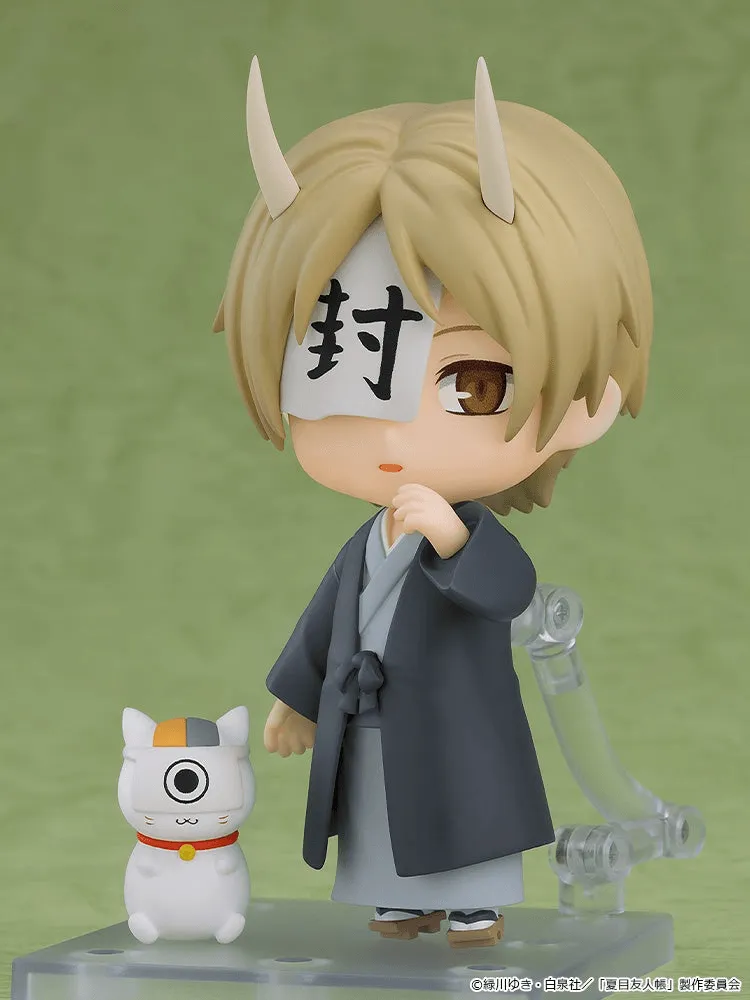
Protecting your P-REX nendoroid figures from yellowing requires controlling UV exposure, temperature, and humidity while keeping them away from contaminants. We have tested dozens of storage and display methods across our anime figure collection to identify which techniques genuinely work and which are marketing myths.
Yellowing happens when the plastics and paints used in collectible figures degrade through oxidation, UV light exposure, and heat. Light-colored figures such as miku figures and white accessories on super sonico show the discoloration most visibly, but every figure in your collection faces the same chemical processes over time.
Why Nendoroids and Anime Figures Turn Yellow
The ABS and PVC plastics used in most nendoroids, S.H.Figuarts, and other collectibles contain additives that break down when exposed to ultraviolet light. This degradation process creates a yellow or brown tint that cannot be reversed without damaging the paint or surface finish.
Several factors accelerate yellowing:
- Direct sunlight or strong indoor lighting that emits UV radiation
- High temperatures above 25°C (77°F) that speed chemical reactions
- Airborne contaminants including cigarette smoke, cooking oils, and aerosol sprays
- Certain storage materials that off-gas and react with plastic surfaces
- High humidity levels that promote oxidation in pigments and plastics
Figures stored in sealed boxes without UV exposure stay pristine for decades, while displayed figures can show noticeable yellowing within 18 to 36 months under poor conditions.
Display Strategies That Protect Your P-REX Nendoroid Collection
We recommend keeping your figures behind UV-filtering glass or acrylic whenever possible. Standard window glass blocks some UV-B radiation but allows UV-A through, which still causes yellowing. Museum-grade acrylic with UV inhibitors blocks 98% of harmful wavelengths and costs less than replacing discolored figures.
Display case essentials:
- Position cases away from windows and avoid direct sunlight at any time of day
- Use LED bulbs rated below 3000K color temperature, which emit minimal UV compared to fluorescent or halogen lights
- Install your display in the coolest room of your home, ideally climate-controlled between 18-22°C
- Leave small gaps for air circulation to prevent moisture buildup inside sealed cases
- Rotate displayed figures every 6 months, swapping them with boxed pieces to distribute exposure time
If you display P-REX nendoroid figures on open shelves, apply a thin UV-protective spray designed for plastics twice per year. Test any product on an accessory part first to confirm it does not cause cloudiness or texture changes.
For collectors who also showcase gundam model kits or p-bandai exclusives, the same UV and temperature rules apply. Painted surfaces on model kits are often more vulnerable than factory-finished figures because hobby paints vary in UV resistance.
Storage Methods That Preserve Figure Condition Long-Term
Original packaging provides the best protection when you rotate your collection or store figures long-term. Keep boxes in a dark closet or storage room where temperature stays stable year-round.
Best practices for boxed storage:
- Store boxes upright or flat, never on their side with weight pressing on one edge
- Wrap individual figure parts in acid-free tissue paper if the original plastic tray has degraded
- Place silica gel packets inside boxes to control humidity, replacing them every 12 months
- Avoid cardboard boxes for outer storage because they attract pests and absorb moisture; use plastic bins with tight lids instead
- Label bins clearly so you do not need to open multiple containers to find a specific figure
We have successfully stored choso figure and grass wonder pieces for over five years using this method without any yellowing or paint transfer. For current availability and to grab the code for 5% off your next storage supply order, check the latest offerings.
Never store figures in attics, garages, or basements where temperature and humidity swing dramatically between seasons. A single summer in a hot attic can cause more damage than ten years of controlled room temperature storage.
Cleaning Techniques That Remove Contaminants Safely
Dust buildup acts as an abrasive and traps moisture against plastic surfaces, so clean displayed figures every 4 to 6 weeks. We use a two-step process that removes particles without scratching paint or clear parts.
Our proven cleaning routine:
- Use a soft-bristle makeup brush or dedicated figure brush to sweep away loose dust, working from top to bottom
- Dampen a microfiber cloth with distilled water only and gently wipe surfaces, then immediately dry with a second clean microfiber cloth
- For stubborn grime on joints or textured areas, apply a tiny drop of mild dish soap diluted 1:20 with distilled water using a cotton swab
- Never use alcohol, window cleaner, or commercial plastic polishes because they strip protective coatings and dull surfaces
When cleaning detailed pieces such as dandadan s.h.figuarts seiko action figure or the intricate accessories on bandai s.h.figuarts sabo revolutionary army chief, remove parts from the figure first if possible. This prevents stress on joints and gives you better access to crevices where dust accumulates.
Avoid compressed air cans because the propellant sometimes contains moisture or leaves an oily residue. A small handheld air blower designed for camera sensors works better and costs less over time.
Material Differences Between Figure Lines
Not all collectibles yellow at the same rate. P-REX kotobukiya figures often use higher-grade ABS with better UV stabilizers compared to budget prize figures, which means they resist discoloration longer under identical conditions. Similarly, P-REX amiami exclusives typically feature factory finishes engineered for archival stability.
| Figure Type | Primary Plastic | Yellowing Risk | Protection Priority |
|---|---|---|---|
| Nendoroids | ABS, PVC | Medium | UV filtering, cool storage |
| S.H.Figuarts | PVC, ABS | Medium-High | UV filtering, minimal handling |
| Prize Figures | PVC | High | Avoid direct light entirely |
| Model Kits (Painted) | PS, ABS | Varies by paint | Top coat with UV inhibitor |
Understanding your collection composition helps you allocate protective resources effectively. A rare exclusive deserves a premium UV-filtering case, while mass-market prize figures can share a standard cabinet positioned away from windows.
For collectors shopping at P-Rex Hobby: One-Stop Shop for Japanese Model Kits, product listings sometimes note the plastic types used, which helps you plan storage before the figure arrives. When comparing new releases, check the latest price to see if premium materials justify the cost difference for pieces you plan to display long-term.
Environmental Controls That Slow Degradation
Temperature and humidity control matter as much as UV protection. We measure conditions in our display room with a digital hygrometer and maintain 40-50% relative humidity year-round using a small dehumidifier in summer and a humidifier in winter.
Target environmental ranges:
- Temperature: 18-22°C (64-72°F), avoid fluctuations greater than 3°C per day
- Humidity: 40-50% relative humidity, never above 60% or below 30%
- Air quality: Use HEPA air purifiers if you live in a high-pollution area or near busy roads
- Ventilation: Circulate air gently without creating drafts that deposit dust on figures
Extreme humidity causes paint to soften and peel, while very dry air makes plastic brittle. Both conditions accelerate chemical aging that leads to yellowing and structural damage.
Place your most valuable pieces such as P-REX 78/2 items in the most stable part of the room, typically an interior wall away from exterior windows and HVAC vents. Monitor conditions for at least one month before committing your collection to a new display location.
Long-Term Maintenance Schedule
We follow a quarterly maintenance calendar to catch problems before they become permanent:
- Monthly: Dust displayed figures and check for early signs of yellowing or paint wear
- Quarterly: Deep clean display cases, replace silica gel in storage boxes, inspect seals on protective cases
- Biannually: Rotate displayed and stored figures, reapply UV protective spray if used, audit environmental controls
- Annually: Review insurance documentation, photograph collection for records, assess whether storage methods need upgrading
This schedule takes approximately 2-3 hours per quarter for a collection of 50-100 figures and has prevented costly damage across our test collection. When you invest in quality pieces, systematic care protects that value indefinitely.
For collectors expanding their collection or replacing damaged figures, our P-rex-hobby-discount-code page always carries the current sitewide offer to help you save on new additions while maintaining proper storage for existing pieces.
Frequently asked questions
Can yellowed nendoroid figures be restored to their original color?
No reliable method exists to reverse yellowing without damaging the factory paint or finish. Some collectors attempt hydrogen peroxide treatments used for retro computer plastics, but these often cause uneven color and surface degradation on painted figures. Prevention through proper storage is the only effective strategy.
How long does it take for anime figures to start yellowing?
Figures displayed under direct sunlight or strong UV lighting can show noticeable yellowing within 18 to 36 months. Figures stored in original packaging in dark, climate-controlled conditions remain pristine for decades. The timeline depends entirely on UV exposure, temperature, and plastic quality.
Do acrylic display cases prevent figure yellowing completely?
Standard acrylic blocks some UV but not enough to prevent yellowing long-term. You need UV-filtering acrylic rated to block 98% or more of UV-A and UV-B radiation. Museum-grade UV acrylic combined with LED lighting and temperature control provides the best protection for displayed collections.
Should I keep figures in their boxes or display them?
Figures stored sealed in original packaging in dark, stable conditions suffer virtually no yellowing. If you display them, use UV-filtering cases and controlled lighting to minimize damage. Many collectors rotate pieces every 6 months, displaying some while storing others to balance enjoyment and preservation.
Does humidity affect anime figure yellowing?
Yes, high humidity above 60% accelerates oxidation reactions that cause yellowing and can also promote paint degradation and joint loosening. Maintain 40-50% relative humidity with a dehumidifier or humidifier as needed, and use silica gel packets in storage boxes.
Are expensive figures less likely to yellow than prize figures?
Premium figures from manufacturers like Kotobukiya and Good Smile Company typically use higher-grade plastics with better UV stabilizers, making them more resistant to yellowing than budget prize figures. However, all figures will eventually degrade without proper UV and temperature protection regardless of price.