
Photochromic vs Tinted Lenses: Which Is Right for Your Prescription Glasses?

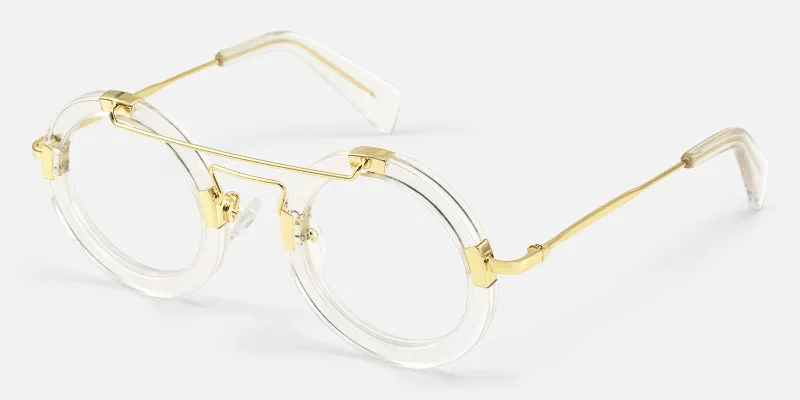
Photochromic lenses are the better pick if you want one pair that adapts from indoors to outdoors, while fixed tinted lenses win if you mainly want consistent color, glare control, or a bold style statement. Both work with any prescription, and both are available when you buy cheap prescription glasses online, so the decision comes down to how you actually live and drive, not the price tag.
Here is how the two lens types compare, which one suits your routine, and how to order the right pair without overpaying.
How Cheap Prescription Glasses Handle Lens Types
When you order cheap prescription glasses, the frame is only half the decision. The lens treatment changes how the pair behaves every single day:
- Photochromic lenses darken in sunlight and fade back to clear indoors. They react to UV, not visible light, so they transition behind a windshield only partially, since car glass blocks most UV.
- Fixed tinted lenses hold one color and one darkness level all the time. They are essentially prescription sunglasses built into everyday frames.
- Clear lenses stay clear in all light and are the baseline most pairs ship with.
If you are new to ordering prescription eyeglasses online, this Yahoo Finance roundup of affordable prescription glasses retailers is a useful reality check on how much lens upgrades typically add to an order.
Photochromic Spectacles: The One-Pair Solution
Photochromic spectacles make the most sense when you move between indoor and outdoor settings throughout the day and do not want to carry a second pair. Teachers, delivery drivers, commuters, and anyone running errands between buildings tend to love them.
Strengths:
- One pair covers indoors and outdoors, which keeps the overall cost down compared to buying glasses plus prescription sunglasses
- Darkening is automatic, so you never forget to switch
- Most modern photochromic lenses fade to near-clear indoors within a few minutes
Trade-offs to know before you order:
- Slow to react in a car, because windshields filter the UV that triggers the darkening
- Cold weather slows the transition, and intense heat limits how dark they get
- If you want dark sunglasses for the beach, they may not reach that level
If that description sounds like your day, our photochromic spectacles collection has adaptive lens options in a range of prescriptions, and you can check the latest price before you commit.
Tinted Lenses: Consistent Color and Real Style
Fixed tints are the better match when you spend real time outside, drive a lot in bright sun, or want the tint as part of your look. Our amber eyes tinted lens collection is a good example of how a warm amber tint can cut glare while adding character that photochromic lenses cannot.
Strengths:
- Instant protection from the moment you put them on, no waiting for a transition
- You choose the color and darkness: amber for contrast in variable light, gray for true color, brown for depth perception
- Tints work for indoor style too, which is why fashion-forward wearers often pick a light tint as a signature look
Trade-offs:
- They stay dark indoors, which is awkward in offices, shops, and restaurants
- You need a second clear pair for low-light and evening use
- Reading screens through a dark tint strains your eyes fast
Quick Comparison: Photochromic vs Tinted
| Feature | Photochromic lenses | Tinted lenses |
|---|---|---|
| Indoor use | Clear or near-clear | Stays dark |
| Outdoor darkness | Automatic, UV-triggered | Fixed level you choose |
| Driving | Partial, due to windshield UV | Full protection |
| Second pair needed | Usually no | Yes, a clear pair |
| Best for | All-day indoor-outdoor routines | Sun-heavy days and style |
Which One Fits Your Life
Use this as a checklist before you order:
- Buy photochromic if: you walk or commute outdoors daily, dislike carrying two pairs, or want the simplest all-around setup.
- Buy tinted if: you drive long distances, spend hours outside, are light-sensitive, or want the tint as a style choice you commit to.
- Buy both if: your budget allows it. Many buyers get adaptive lenses for daily wear and a tinted pair for weekends. Since affordable eyeglasses are priced far below retail optical shops, running two pairs is more realistic than it sounds.
One honest note from our testing: reviews and threads like cheap prescription glasses reddit discussions often push first-time buyers toward photochromic lenses by default. They are great, but if you work outdoors in bright sun all day, a fixed tint usually outperforms them. Match the lens to your actual hours, not to the trend.
Frames That Pair Well With Both Lens Types
Lens choice matters, but the frame determines comfort, and comfort determines whether you wear the pair at all. A few things we look for:
- Full-rim frames hold thick prescriptions best and protect lens edges, which matters for both photochromic and tinted options. Browse our glasses frames range to see the shapes available.
- Metal glasses tend to run lighter on the nose and pair well with adaptive lenses you will wear all day. If that suits you, our metal glasses picks are worth a look.
- High nose bridge fit: if you have a high nose bridge, look for frames with adjustable nose pads so the lenses sit at the right distance from your eyes. A poor fit undermines even the best lenses for eyewear, so check sizing before checkout.
If you want to see how these pairings look in practice, our full glasses catalog lets you filter by shape, material, and lens type.
How to Order and Save on Your Pair
Here is the short version of the process we recommend:
- Get your current prescription from your last eye exam, including pupillary distance if you have it.
- Choose your frame, then pick the lens type based on the checklist above.
- Add your prescription details exactly as written, and double-check the numbers before submitting.
- Apply a discount. Vooglam runs 15% OFF all orders, and we keep the current code updated on our coupon page so you are always using a working one.
The bottom line: photochromic spectacles if you want one adaptable pair, tinted lenses if sun and style dominate your day. Either way, ordering cheap prescription glasses online with the right lens treatment gets you a pair that fits your life for a fraction of brick-and-mortar pricing.
Frequently asked questions
What is the difference between photochromic and tinted lenses?
Photochromic lenses darken automatically in UV light and fade back to clear indoors, while tinted lenses stay one fixed color and darkness level all the time. Photochromic lenses suit mixed indoor-outdoor days; tints suit sun-heavy routines.
Do photochromic lenses work behind a windshield?
Usually not. Windshields block most of the UV that triggers photochromic darkening, so the lenses only darken partially in the car. A fixed tinted lens gives full sun protection for driving.
Can cheap prescription glasses have photochromic or tinted lenses?
Yes. Both photochromic and tinted lens options can be built into cheap prescription glasses with your exact prescription, so you get vision correction and sun protection in one pair.
Do tinted prescription lenses stay dark indoors?
Fixed tints keep one color and darkness at all times, so they stay dark indoors. Most people who choose tinted lenses also keep a clear pair for indoor and low-light use.
Are photochromic lenses worth it for everyday wear?
Photochromic lenses are usually the better daily pick if you move between indoors and outdoors, because one pair covers both settings and you never need to swap glasses.
How do I choose the right lens type for my prescription?
Match the lens to your hours: photochromic for mixed indoor-outdoor routines, fixed tint for driving and time in bright sun. Then check frame fit, including nose bridge fit, before checkout.