
How to Use Poi Balls and LED Poi Safely Indoors and Outdoors

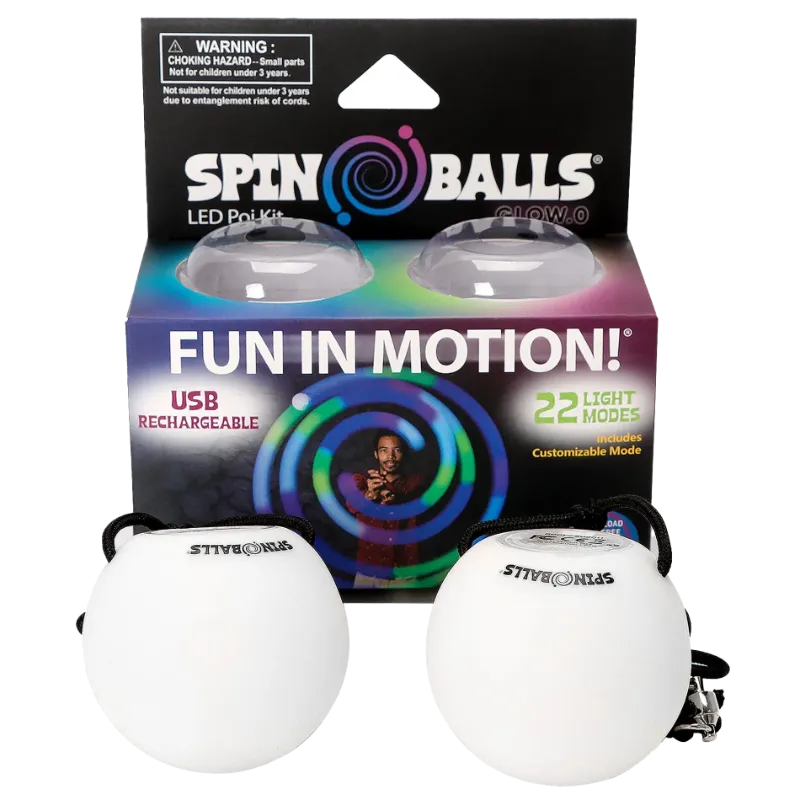
Poi balls are safest and most fun when you start with soft, beginner-friendly gear, clear more space than you think you need, and practice simple movements before trying speed or tricks. For most shoppers, that means starting with poi balls or led poi, then using a few indoor and outdoor rules that prevent the usual bumps, tangles, and broken lamps.
If you are still deciding where to buy or want the current offer, grab the code before checkout instead of guessing at pricing.
Poi balls safety basics before your first session
Poi is a flow art built around rhythm, control, and circular movement. If you want background on the practice itself, Poi (performance art)) gives a useful overview, and Flow Arts Discoveries: What is Poi? explains how poi movement is commonly taught.
Before you start, focus on setup more than tricks:
- Remove hard, sharp, or fragile objects from your swing area.
- Tie back long hair and avoid loose sleeves, necklaces, or hoodie strings.
- Check handles, cords, and attachments before every session.
- Start at slow speed so you can feel the arc and timing.
- Keep pets, siblings, and spectators outside your practice zone.
If you are shopping specifically for poi balls for beginners, soft heads and easy handles are usually the better choice than jumping straight into advanced performance styles. This matters even more if your goal is casual play, early poi balls dance practice, or learning basic patterns at home.
Indoor poi balls practice: how to avoid the common mistakes
Indoor practice is convenient, but it is where most beginners hit walls, ceiling fans, TV screens, and their own elbows. The fix is simple: use a smaller first session and a larger clear area.
A good indoor checklist:
- Stand in the center of the room, not near one side.
- Make a full arm circle in every direction before you begin.
- Move lamps, mugs, framed art, and floor decor out of range.
- Practice forward swings and side swings before any turns.
- Stop when you get tired because sloppy reps create the worst hits.
If you want a low-pressure indoor toy order, it can make sense to pair poi with something calmer for breaks, like a Fun mozí sensory toy or a shashibo cube for hand-based fidget time between practice rounds.
Outdoors: when led poi makes more sense
Outdoors gives you more room, which is great for longer patterns and cleaner movement. It also adds new risks like uneven ground, low branches, wind, and poor visibility.
led poi can be especially useful in lower light because the moving path is easier to track, but visibility is not a substitute for safe conditions. Choose a flat area and avoid practicing near roads, pools, grills, or crowded sidewalks.
Here is a simple comparison:
| Option | Best use | Main caution |
|---|---|---|
| poi balls | First practice sessions, daytime use, indoor basics | Easier to overestimate your control in tight rooms |
| led poi | Low-light outdoor sessions, visual feedback, performance feel | Harder to judge surroundings if the area itself is dark |
| glow ball | General glow play, not a direct poi substitute | Different handling than corded poi |
If you plan to practice at night, check the latest price and review the product page first rather than relying on outdated listings.
Who these products suit best
Not every shopper wants the same kind of play. Some want flow practice, some want a rave-friendly visual toy, and some are just looking for a gift that feels more active than a puzzle.
These are the simplest fits:
- Choose poi balls if you want a straightforward entry point for learning swings, timing, and control.
- Choose led poi if the visual trail is part of the fun and you will use them in dimmer settings.
- Choose glow ball if you like light-up play but are not specifically focused on poi technique.
- Add a shashibo shape shifting box or magic cube if you are building a gift bundle with both active and quiet play.
For shoppers searching terms like poi balls rave or poi balls dance, the biggest question is usually visibility versus control. Bright effects are fun, but the better beginner buy is still the one you can swing confidently without clipping your knees or losing the handle.
Technique tips for beginners that actually help
Most new users improve faster by doing fewer moves, more cleanly. You do not need a big trick list on day one.
Start with this order:
- Grip both handles evenly.
- Practice one hand at a time.
- Learn forward circles on each side.
- Match both hands at a slow, even pace.
- Add side swings and only then try transitions.
A few honest tips:
- Keep your wrists relaxed. Beginners often muscle the movement too much.
- Watch the plane of motion. Clean circles matter more than speed.
- If you get tangled, stop and reset instead of forcing through it.
- Film a short clip of yourself. It is the quickest way to see crooked timing.
If you are researching terms like poi balls hilo, you are likely looking for style or pattern inspiration. That is fine once your basics are consistent, but early progress comes from repetition, not variety.
Care, storage, and what not to do
Good care is simple and extends the life of your gear.
- Store poi dry and untwisted.
- Do not leave them in direct heat for long periods.
- Wipe them down after outdoor use, especially if they touched dirt or damp grass.
- Recheck cords and handles after any hard impact.
- Keep them in a drawer, bin, or bag where the cords will not knot around other toys.
A final note on search terms like poi balls fire, poi balls recipe, or poi balls food: those are not relevant buying paths for these products. Do not use toy poi as fire props, and do not treat them as anything food-related. Stick to their intended play use and follow the maker's guidance on the product page.
If you are ready to buy, the safest path is to pick the product that matches your space and experience level, then grab the code before you order. That way you can compare current pricing, review the store offer, and choose the right Fun In Motion Toys option without guessing.
Frequently asked questions
Are poi balls good for beginners?
Yes, soft poi balls are usually the easiest place to start because they are more forgiving while you learn timing, planes, and basic swings. Begin slowly in an open area and focus on control before speed.
What is the difference between poi balls and led poi?
Standard poi balls are often the simpler training option, while led poi add visibility for low-light practice and performance. If you want current pricing or a discount code, check the store page before you buy.
How much space do I need to practice indoors?
You need enough room to extend your arms, rotate fully, and swing without hitting walls, lamps, screens, or other people. A clear practice zone with a bit of extra buffer space is safer than trying to work around furniture.
Can kids use Fun In Motion poi products?
That depends on the product and the user's coordination, practice space, and ability to follow safety rules. Check the product page for the maker's guidance and supervise younger users, especially during first sessions.
Should I use poi balls fire techniques with these products?
No, treat these as toy or flow products, not fire props. If you are researching poi as an art form, learn the basics first and use purpose-built gear only within appropriate training and safety standards.