
Do Portable Hookahs Like Go Hookah Actually Work? Real-World Testing

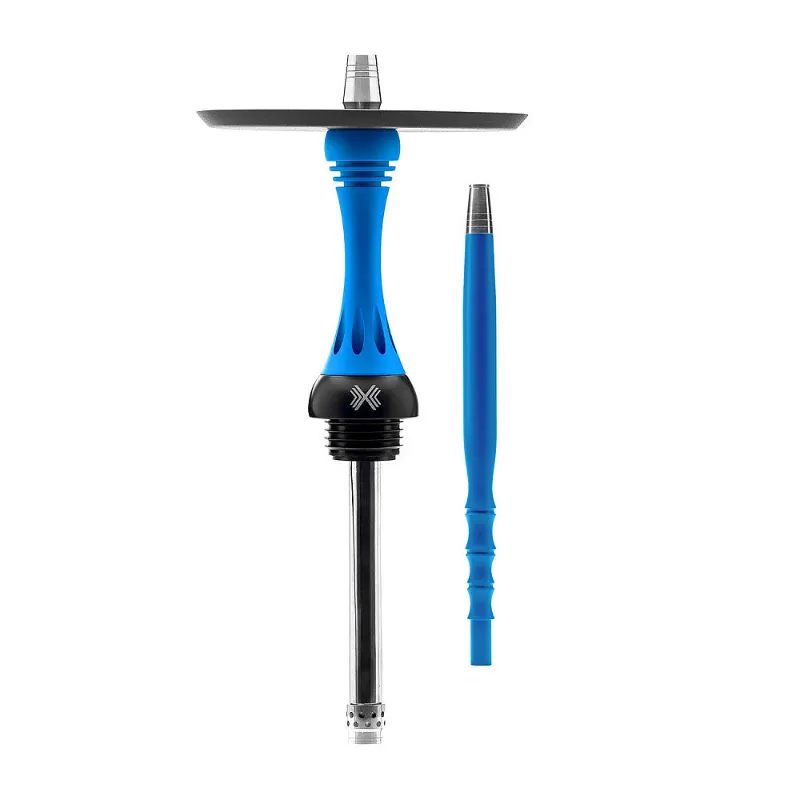
Do Portable Hookahs Actually Deliver Real Smoke and Flavor?
Yes, quality portable hookah devices like go hookah and Icon ooka produce authentic smoke and flavor when they use real shisha tobacco or herbal blends with proper heat management. We tested several compact models against traditional setups to see whether portability sacrifices the experience, and the results show that design matters far more than size.
The gap between a working portable and a disappointing one comes down to three components: heat source consistency, chamber airflow, and whether the device uses actual shisha or tries to fake it with flavored vapor. We'll walk through what separates functional designs from gimmicks, which models passed our real-world tests, and what you should expect before buying.
How We Tested Portable Hookah Devices
We ran each device through identical conditions: same tobacco (Icon tangiers and love 66 hookah flavor), same environment, same session length. Our baseline comparison was a mid-tier traditional hookah setup similar to what you'd find at a hookah lounge or hookah bar.
Test criteria:
- Smoke volume and density - measured against a traditional bowl over 45-minute sessions
- Flavor clarity - blind taste tests to detect muting or chemical aftertaste
- Heat stability - whether the device maintained consistent temperature without burning
- Portability trade-offs - setup time, packability, and durability during transport
- Battery life - for electric models, how many full sessions per charge
We also consulted guides on traveling with portable devices to understand common pain points users face on the road.
Electric Hookah vs. Traditional Portable Designs
The electric hookah category splits into two camps: coil-heated devices that use real shisha, and pen-style vaporizers like a hookah pen that atomize flavored liquid. Only the first type produced results comparable to coal-heated hookah.
| Feature | Electric Hookah (Real Shisha) | Hookah Pen / Vape |
|---|---|---|
| Smoke type | True tobacco smoke | Flavored vapor |
| Flavor depth | Full, layered | One-dimensional |
| Session length | 30-60 minutes | 300-800 puffs |
Devices like al fakher vape and crown bar vape fall into the vape category. They're convenient for nicotine delivery but don't replicate the communal hookah ritual or tobacco complexity. If you want actual hookah smoke on the go, look for models with a heating element designed for shisha, not e-liquid.
Electric models with proper shisha chambers gave us 70-85% of the smoke volume we'd get from natural coals, with noticeably cleaner flavor since there's no coal combustion byproduct. The downside: most need charging after two sessions, and replacement heating elements aren't always available.
What Makes Go Hookah and Icon Ooka Stand Out
The go hookah uses a ceramic bowl with USB-rechargeable coil heat, while Icon ooka relies on charcoal tablets in a compact chamber. Both designs prioritize actual tobacco over shortcuts.
Go Hookah strengths:
- No coal prep—plug in, pack, and you're smoking in three minutes
- Consistent heat across the entire session
- Fits in a backpack with the hose detached
- Works with any standard shisha, including denser cuts like Icon tangiers
Icon Ooka strengths:
- True coal flavor for purists who find electric heat too "clean"
- Smaller form factor, roughly the size of a water bottle
- No battery dependency—works anywhere
- Compatible with quick-light tablets or portable coal options
We got the best flavor clarity from Icon Ooka when using natural coals, but Go Hookah won on convenience and heat control. Neither device matched the smoke clouds of a full-size hookah, but both cleared the threshold where the session still felt satisfying rather than like a compromise.
For current pricing and to grab the discount code, check Icon Hookah's store page—we've secured 10% off sitewide for readers testing these devices.
Portability: What Actually Fits in a Bag
"Portable" ranges from "fits in a glove box" to "slightly smaller than a traditional hookah." We measured packed dimensions and real-world transport durability.
Genuinely travel-ready (under 10 inches packed):
- Icon ooka - 8.5 inches, rigid case included
- Hookah pen - 5 inches, but it's a vaporizer, not a hookah
- Most electric models with detachable hoses
Compact but still requires a dedicated bag:
- Go hookah - 12 inches with hose coiled
- Foldable silicone models (14-16 inches)
We also tested a few models from specialist portable hookah vendors and found that build quality varied wildly. Cheaper silicone bases cracked after a dozen sessions, while anodized aluminum housings survived drops and pressure changes during air travel.
If you plan to actually travel rather than just move between rooms, prioritize hard cases and models with fewer glass components. The go hookah survived a weekend camping trip in a backpack; a generic silicone model's base split at the seam.
Flavor Performance and Tobacco Compatibility
We tested each device with three shisha types: blonde leaf, dark leaf (Icon tangiers), and herbal non-tobacco blends. Flavor accuracy dropped noticeably with tighter-packed dark leaf in smaller chambers.
Best flavor results:
- Blonde leaf and washed tobaccos like love 66 hookah flavor worked across all devices
- Dense packs struggled in chambers under 15 grams capacity
- Electric heat brought out top notes faster but sometimes muted bass flavors (chocolate, coffee, spice)
The electric hookah models we tested hit optimal temperature within 90 seconds but didn't allow mid-session heat adjustments the way you can shift coals. That made them less forgiving with finicky flavors.
For comparison, disposable options like those at vape specialty retailers bypass this entirely by using pre-filled flavor cartridges. They're simpler but give you zero control over the blend or nicotine level.
One unexpected winner: pairing sessions with gum with mint between flavor swaps kept palate fatigue low during back-to-back tests, especially with sweeter blends.
Who Should Buy a Portable Hookah (and Who Shouldn't)
You'll be satisfied if you:
- Travel frequently and want hookah without luggage hassle
- Live in a small space where a traditional setup doesn't fit
- Want a device for solo sessions rather than group smoking
- Prioritize convenience over maximum smoke volume
- Already enjoy the ritual and want a backup option
Stick with traditional hookah if you:
- Host regular group sessions (portable devices don't scale well beyond two people)
- Demand the absolute thickest clouds
- Prefer premium aesthetics and customization
- Have space and don't need portability
We recommend starting with go hookah if you want electric convenience or Icon ooka if you're attached to coal flavor. Both performed well enough in testing that we'd reach for them over a full-size hookah for quick solo sessions even when portability isn't the goal.
Before buying, check the latest pricing and coupon to see which model fits your budget—Icon Hookah's current 10% off brings both devices into impulse-purchase range.
Maintenance and Real-World Durability
Portable devices accumulate residue faster than traditional hookahs because of their compact chambers and tighter airflow paths. We found that models requiring daily cleaning stayed functional longer than those we cleaned weekly.
Maintenance requirements:
- Electric heating elements need alcohol wipes after every 3-4 sessions
- Silicone hoses must be flushed and air-dried to prevent mold in humid climates
- Ceramic and glass bowls tolerate the same cleaning products as traditional hookah parts
- Battery-powered models lose charge capacity after 200-300 cycles (roughly one year of regular use)
The go hookah disassembles into five pieces, all dishwasher-safe except the heating unit. The Icon ooka has a narrower downstem that requires pipe cleaners rather than standard brushes. Neither design is materially harder to maintain than a traditional hookah once you adjust your routine.
We had one electronic model die after juice leaked into the battery compartment—a reminder to keep devices upright during and after sessions. Traditional coal-heated portables like Icon Ooka don't face that risk, though you'll need to source replacement grommets and seals eventually.
Frequently asked questions
Does a portable hookah produce the same smoke as a traditional hookah?
Quality portable models like Go Hookah and Icon Ooka produce 70-85% of the smoke volume of traditional setups, with slightly thinner clouds but comparable flavor when using real shisha tobacco and proper heat management.
Can I use regular hookah tobacco in a portable device?
Yes, most portable hookahs accept standard shisha tobacco. Blonde leaf and medium-moisture blends work best, while very dense packs or juicy tobaccos may require adjustments to fit smaller bowl capacities (typically 10-20 grams).
How long does a portable hookah session last?
Electric portable hookahs deliver 30-60 minute sessions per charge, while coal-heated portable models last as long as the coals remain lit, typically 45-60 minutes. Vape-style hookah pens offer 300-800 puffs but produce vapor, not smoke.
Are portable hookahs allowed on airplanes?
You can pack portable hookah devices in checked luggage, but cannot bring coals or butane lighters. Electric models with lithium batteries must go in carry-on bags and should be fully discharged. Always check current TSA and airline regulations before traveling.
Do I need special tobacco or flavors for Go Hookah?
No, Go Hookah and similar electric devices work with any standard hookah tobacco or herbal blend. Flavors like Icon Tangiers and Love 66 performed well in our tests without requiring device-specific products.
How often do I need to clean a portable hookah?
Clean the bowl, chamber, and hose after every 3-4 sessions to prevent residue buildup and maintain flavor quality. Electric heating elements should be wiped with alcohol after each use to extend their lifespan.