

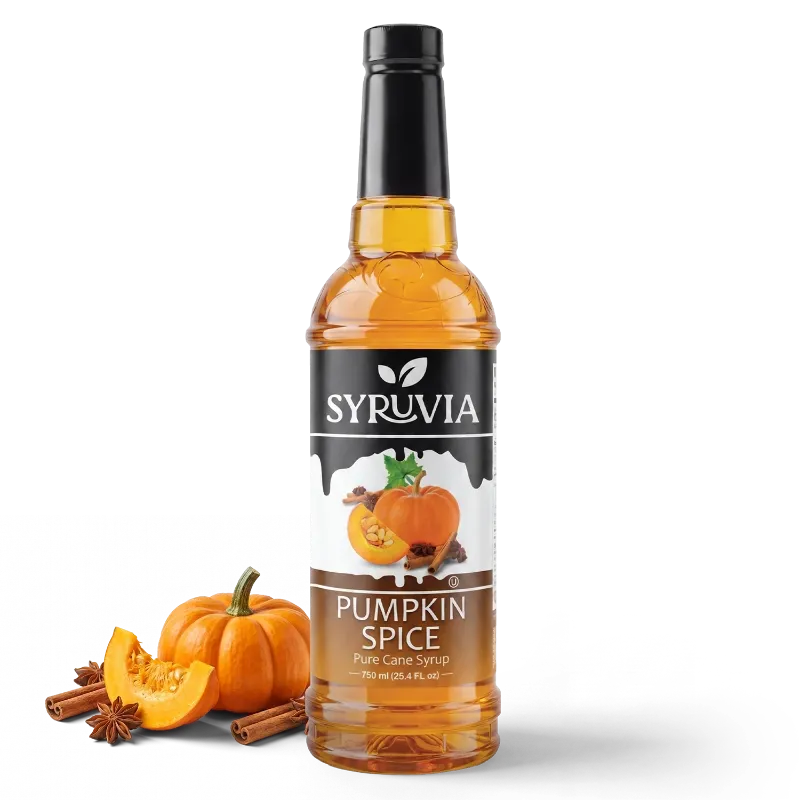
For a 12 oz latte, start with 1 to 2 pumps of pumpkin spice syrup, which is roughly 1 to 2 teaspoons, and adjust from there based on how strong your espresso is. A 16 oz drink usually lands at 2 to 3 pumps, and a 20 oz travel mug at 3. The goal is a drink where the spice sits behind the coffee, not on top of it.
We tested this the way most people actually make coffee at home: a drip brewer, a moka pot, and a cheap pump bottle, no espresso machine required. Below is the ratio math, the milk and sweetness variables that change it, and how to keep the rest of your bottle tasting fresh.
How Much Pumpkin Spice Syrup Goes in a Latte?
Pump count is really a volume question. Most pump bottles dispense about 1 teaspoon (5 ml) per full pump, so treat one pump as one unit of sweetness you can dial up or down. Here is the starting grid we use.
| Drink size | Espresso or strong coffee | Pumps of syrup (start here) |
|---|---|---|
| 8 oz | 1 shot | 1 pump |
| 12 oz | 2 shots or 4 oz brew | 1 to 2 pumps |
| 16 oz | 2 to 3 shots | 2 to 3 pumps |
| 20 oz | 3 shots | 3 pumps |
Two rules keep this honest. First, taste before you add the milk, because cold milk mutes sweetness and spice. Second, count pumps out loud the first few times. Most people who think their latte tastes flat are not under-sweetening, they are under-flavoring and over-diluting with milk.
If you want to skip the guesswork entirely, our pumpkin spice syrup pours consistently from the bottle and holds its clove and cinnamon notes without turning bitter in hot coffee.
Getting the Balance Right: Milk, Espresso, and Sweetness
The pump number is only half the equation. These three variables move the balance more than people expect.
- Milk volume. More milk means more dilution. A 16 oz latte with 12 oz of milk needs noticeably more syrup than a 16 oz cappuccino with 6 oz of milk.
- Espresso strength. Darker, more bitter roasts cut through sweetness, so you can go up a pump. Light roasts and mild drip coffee get overwhelmed fast, so stay low.
- Milk type. Oat and almond milk taste sweeter on their own; skim milk tastes thinner and makes the syrup more prominent.
- Temperature. Spice notes fade as a drink cools, which is why a latte tastes sweeter at minute one than minute fifteen. Sweeten for the temperature you actually drink at.
A practical method: build the drink with one pump fewer than you think you need, stir, taste, then add half a pump at a time. You can always add. You cannot remove.
How to Use Flavored Syrups Beyond the Latte
Once you have a pump routine, the same logic applies across the whole shelf, and this is where a flavor guide for coffee drinks pays off. Pumpkin spice is a natural fit for cold brew, oat milk iced lattes, and even a plain black coffee with a splash of cream.
Other styles work the same way at different doses:
- vanilla syrup is the neutral base, one pump in coffee, one in a smoothie, no flavor clash.
- french vanilla syrup reads richer, so it needs less, especially in dessert-style drinks.
- sugar free coffee syrup and vanilla syrup sugar free for coffee follow the same pump counts as their full-sugar versions, but check the label for the sweetener blend since sugar-free syrups can taste sweeter at the same volume.
- monin cookie butter syrup and biscoff syrup are dessert-forward, best at one pump in a 12 oz drink.
- peppermint syrup is the exception. Peppermint is potent, so start with half a pump and build.
- blueberry coffee syrup plays better in cold brew and iced drinks than in hot espresso.
Fruit syrups are a separate category. blue raspberry syrup, green apple syrup, and watermelon syrup belong in sodas, lemonades, and sparkling water, where one pump per 12 oz is the usual starting point. Using them for coffee is a mistake most people only make once.
Pumpkin Spice vs Other Coffee Syrups: A Quick Comparison
| Syrup | Best pairing | Sweetness intensity |
|---|---|---|
| Pumpkin spice syrup | Oat milk lattes, cold brew, drip with cream | Medium, spice-forward |
| Vanilla syrup | Any coffee, cold brew, baking | Medium |
| French vanilla syrup | Iced lattes, dessert drinks | Medium-high |
| Peppermint syrup | Mocha, hot chocolate, cold brew | Very high, use half pumps |
| Cookie butter or Biscoff syrup | Cappuccino, milkshakes | High |
If you want one bottle that does the most work across a week of coffee, vanilla is the safer buy. If you are chasing the seasonal drink specifically, pumpkin spice is the one you will reach for from September through the holidays.
Bottle Sizes, Servings, Storage, and Shelf Life
Pump counts only help if you know how long a bottle lasts. A 750 ml bottle at 5 ml per pump is roughly 150 pumps, which works out to about two months of one latte a day at 2 to 3 pumps. Smaller bottles are smarter if you rotate flavors seasonally, since opened syrup loses punch over time. Larger bottles win on value if you drink the same flavor daily.
Storage rules that actually matter:
- Keep bottles sealed and away from direct sunlight; a dark cabinet is fine.
- Wipe the pump spout after use so sugar does not crystallize and clog it.
- Check the date on the bottle rather than trusting a habit, since opened shelf life varies by flavor and sweetener.
- Refrigerate only if the label says to. Some syrups are formulated for pantry storage and thicken in the cold.
For bundle and multi bottle buying, group flavors you will actually finish, like pumpkin spice plus vanilla plus a sugar free option, rather than three dessert syrups that all taste similar.
Where to Buy and How to Save
Because pump counts are personal, buy the smallest size of a new flavor first and upgrade once you know your number. You can check the latest price and current offer on the Syruvia coupon page before ordering, and if you already know your rotation, grab the code and stock up on a bundle.
Two practical notes before you order: confirm shipping and delivery options for your region, and read the returns and damaged orders policy so a leaking bottle in transit is not your problem. Also scan the allergen and dietary notes and the sugar free syrup ingredients list if you are avoiding specific sweeteners, since "sugar free" does not mean the same formula across flavors.
Then start low, taste often, and write your number on the bottle cap. Two pumps for a 12 oz latte is a fine default, but your coffee, your milk, and your palate get the final vote.
 Shopping at Syruvia Syrups? See today's verified Syruvia Syrups discount code
Frequently asked questions
How many pumps of pumpkin spice syrup should I put in a 16 oz latte?
Start with 2 to 3 pumps for a 16 oz latte, depending on how much milk you use. If your drink is mostly milk, lean toward 3 pumps. If you pull a strong double shot, start at 2 and taste first.
Is pumpkin spice syrup very sweet compared with vanilla syrup?
It is usually similar in sweetness but more aromatic because of the cinnamon, clove, and nutmeg notes. That spice can read as stronger flavor, so many people use slightly less pumpkin spice syrup than they would vanilla.
Can I use pumpkin spice syrup in cold brew or iced coffee?
Yes, and it works well because the spice holds up against cold dilution. Stir it into the cold brew before adding ice and milk, since syrup settles at the bottom of a cold glass.
How long does an opened bottle of syrup last?
It varies by flavor and sweetener, so check the date printed on your bottle and follow its storage instructions. Wiping the pump spout after each use and keeping the bottle sealed in a dark cabinet helps it stay fresh longer.
Are sugar free coffee syrups dosed the same way as regular ones?
Use the same pump counts as a starting point, but taste as you go. Sugar free versions can taste sweeter at the same volume depending on the sweetener blend, so read the ingredients list if you are sensitive to a particular one.
Do fruit syrups like watermelon or green apple work in coffee?
They are better in sodas, lemonades, and sparkling water than in coffee. One pump per 12 oz of a cold drink is a good starting point, and blueberry coffee syrup is the fruit flavor that suits cold brew best.