
Do You Really Need an Under Cap for Hijab? What It Fixes and When to Skip It

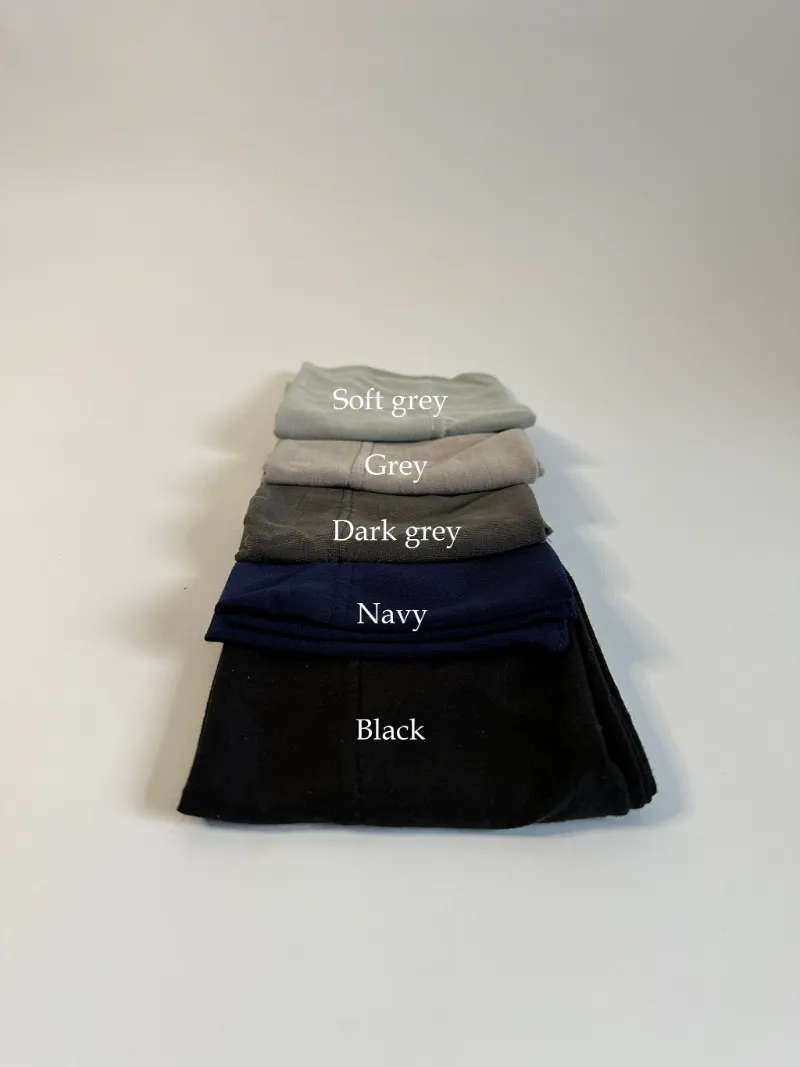
An under cap for hijab keeps your scarf secure, covers flyaways, and prevents slipping on smooth fabrics like satin or silk. Not every hijabi needs one daily, though. If you wear textured materials like a modal hijab or black jersey hijab, the fabric grips naturally and an undercap becomes optional. We tested caps across different hijab styles to pinpoint exactly when they solve real problems and when they add unnecessary bulk.
What Problems Does a Hijab Undercap Actually Fix?
A hijab undercap non slip design tackles three core frustrations. First, it anchors slippery scarves. Fabrics like chiffon, satin, or silky prints—think a leopard print hijab or deer print hijab—slide off smooth hair or skin within minutes. A cap with a grippy underside or tie back stops that movement cold.
Second, it hides hair edges and baby hairs. If you want full coverage without adjusting pins constantly, a best underscarf for hijab extends past your hairline and tucks securely. This matters most when you pair hijabs with formal outfits like a white abaya or butterfly abayas, where a polished silhouette is the goal.
Third, it creates volume and shape. Caps with built-in padding or a structured crown lift lightweight scarves away from your face, giving dimension to draping styles. Without one, thin fabrics can collapse flat or cling awkwardly.
When do you skip the cap? Jersey, cotton, and modal scarves grip on their own. If you're styling a fawn print hijab in breathable jersey for casual wear, adding a cap underneath can feel stuffy and redundant.
Choosing the Right Style: Tie Back vs. Clip vs. Tube
Hijab caps come in three main construction styles, each suited to different needs.
Tie back undercaps feature adjustable strings at the nape. They deliver the most customizable fit and stay put during activity, making them ideal for sports, travel, or long days. The downside: tying them symmetrically takes practice, and bulky knots can show through thin scarves.
Hijab undercap with clips use built-in grips or silicone strips instead of ties. You pull them on like a bonnet, and the clips anchor to your hair. They work brilliantly for straight or thick hair but slip on fine or freshly washed hair that lacks grip. We find them fastest for rushed mornings.
Tube or pull-on caps stretch over your head with no fasteners. They're seamless under scarves and comfortable for all-day wear, but they offer less coverage at the hairline unless you size down for a snug fit. Pair them with a hijab pink or other opaque scarf so any gaps stay hidden.
| Cap Style | Best For | Trade-Off |
|---|---|---|
| Tie back | Active wear, custom fit | Visible knot, slower to tie |
| With clips | Thick hair, speed | Slips on fine hair |
| Tube/pull-on | Comfort, seamless look | Less hairline coverage |
Check the latest styles and grab the code to try a couple of options without overspending.
Materials That Work (and What to Avoid)
A full coverage undercap hijab needs to breathe. We've worn caps in cotton, bamboo, modal, and synthetic blends across summer heat and indoor heating, and the differences are stark.
Cotton remains the gold standard. It wicks sweat, stays cool, and washes easily. Look for jersey-knit cotton for stretch and recovery. Avoid stiff woven cotton—it doesn't conform to your head shape and creates pressure points.
Bamboo and modal blends feel silkier and cooler than cotton, though they cost more. They're worth it if you layer your cap under heavy scarves or live in humid climates.
Polyester and nylon blends are budget-friendly but trap heat. We only recommend them for short-term wear or air-conditioned environments. If you're pairing an undercap with a morrocan thobe or black dishdasha for an event, synthetic caps work fine for a few hours.
Skip satin or silk caps marketed as undercaps. They slip just as much as satin hijabs and defeat the purpose entirely.
When You Can Skip the Under Cap Altogether
If your main scarf is already textured or grippy, an undercap adds bulk without benefit. Jersey, ribbed cotton, and modal scarves—like the modal hijab we tested—cling naturally to hair and skin. Layering a cap underneath makes the wrap feel tight and can cause headaches after an hour or two.
You also don't need a cap if you use enough pins. Two or three well-placed pins secure most scarves, even slippery ones. The cap becomes a convenience tool, not a necessity. We skip it on casual days at home or when wearing breathable fabrics in hot weather.
Finally, if you have very short hair or wear your hijab loosely draped without under-pinning, a hijab cap with scarf attached might suit you better than a separate two-piece system. These hybrid styles combine the cap and scarf in one piece, eliminating the need for an undercap entirely.
How to Get the Fit Right Without Pressure Headaches
Undercaps cause headaches when they're too tight across the forehead or bunch at the crown. Measure your head circumference just above your ears and match it to the cap's size chart. Most brands offer two sizes: standard fits 21 to 23 inches, and large fits 23 to 24 inches.
The cap should sit flat against your scalp without digging in. If you see red marks after an hour, size up or switch to a stretchier fabric. Tie back styles give you the most control—loosen the strings slightly until you find the sweet spot between secure and comfortable.
For volume without pressure, look for caps with a built-in puff or comb attachment at the crown. These lift the fabric away from your head, creating shape for your scarf while leaving breathing room underneath.
When styling statement pieces like a leopard print hijab or pairing your hijab with a white abaya, the undercap's job is to stay invisible. Visit the store and use our discount code to test a few fits and find what works for your head shape and daily routine.
Care Tips to Keep Your Undercap Fresh
Undercaps sit directly against your skin and absorb oil, sweat, and product residue. Wash them after every two to three wears, or daily if you're active. Toss cotton and modal caps in a mesh laundry bag and machine wash on gentle with mild detergent. Air dry flat to preserve elastic.
Bamboo blends need cooler water to prevent pilling. Hand wash or use the delicate cycle, and never wring them out—roll in a towel to remove excess water, then lay flat.
Replace caps every six to twelve months. Elastic stretches out, silicone grips lose tack, and ties fray. A worn-out cap won't hold your scarf securely, so rotating two or three in your collection keeps performance consistent.
Store them flat or loosely folded. Hanging caps by their ties can warp the shape over time, especially for tube styles without structure.
Frequently asked questions
Do I need an under cap if my hijab doesn't slip?
No, if your scarf grips naturally—like jersey or modal fabrics—an undercap is optional. It becomes useful mainly for slippery materials like satin or chiffon, or when you want extra coverage and volume.
What's the difference between a tie back and a tube undercap?
Tie back caps adjust with strings for a custom fit and stay secure during activity, but the knot can show through thin scarves. Tube caps slip on without ties, sit seamlessly, but offer less hairline coverage unless sized snugly.
Can hijab caps cause headaches?
Yes, if they're too tight or bunch at the crown. Size up or choose stretchier fabrics like cotton jersey. The cap should sit flat without leaving red marks after an hour of wear.
How often should I wash my hijab undercap?
Wash after every two to three wears, or daily if you're active or in hot weather. Cotton and modal caps can go in the washing machine on gentle; bamboo blends need cooler water to prevent pilling.
Which undercap material is coolest in summer?
Cotton jersey and bamboo blends breathe best and wick sweat effectively. Avoid polyester or nylon caps in heat—they trap moisture and feel stuffy after a short time.
Do I need a separate undercap if I already use pins?
Not necessarily. Pins secure most scarves on their own. An undercap adds convenience by reducing pin count and hiding flyaways, but it's not required if your current method works comfortably.