
Ring Doorbell Screws Vs Generic Screws: What Matters For Fit, Security, And Long-Term Use

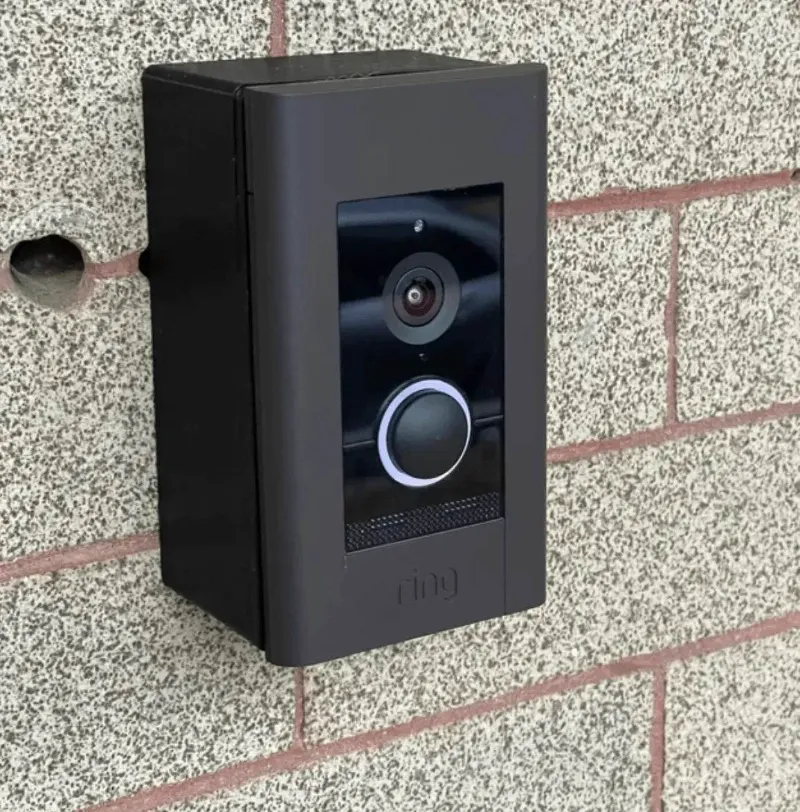
Ring doorbell screws are usually the better choice when you need exact fit, proper tamper resistance, and fewer problems over time. Generic screws can work in some situations, but only if the thread, length, head style, and material truly match your specific doorbell and mounting point.
That is why this decision matters more than it seems. A screw that is only slightly off can strip the mount, sit proud, rust early, or make the doorbell easier to remove than it should be.
Why fit matters more than the screw looking “close enough”
The biggest difference between original and generic hardware is not branding. It is whether the screw mates cleanly with the threads and seats fully without forcing anything.
With smart doorbells, you are usually dealing with:
- A mounting screw that fastens the bracket or unit to the wall plate
- A small security screw that helps prevent casual removal
- Tight tolerances in plastic, metal inserts, or compact housings
A generic screw that looks similar can still be wrong if the:
- Thread pitch is different
- Diameter is slightly off
- Length is too short or too long
- Head shape does not sit flush
- Driver type does not match the intended security design
This is why owners often struggle to identify replacements after losing the original. You can see that confusion in community threads like Lost screw. Impossible to get screw spec and Ring doorbell mounting screws, and security screw size. The takeaway is simple: “looks about right” is not a reliable standard.
Ring doorbell screws vs generic screws at a glance
Here is the practical comparison most buyers need.
| Factor | Ring doorbell screws | Generic screws |
|---|---|---|
| Fit | More likely to match the exact model and mounting point | Only works if all dimensions and threads match exactly |
| Security | Usually designed for the intended tamper-resistant setup | May reduce tamper resistance if the head or driver style differs |
| Installation risk | Lower chance of cross-threading or poor seating | Higher risk if measurements are guessed |
| Long-term use | Better odds of proper clamp force and clean seating | Depends heavily on material quality and correct sizing |
If your goal is the least hassle, the safer route is to check the latest price on a model-specific replacement option. If you are trying a generic screw, treat it like a precise hardware match, not a rough substitute.
When a generic screw can work
A generic replacement is not automatically bad. It can be a reasonable fix if you can verify all the important dimensions and the application is simple.
A generic screw is more likely to work when:
- You know the exact screw type for your model
- The replacement matches thread, diameter, and length exactly
- The head style sits correctly in the mount or faceplate
- The material is suitable for outdoor use
- You are replacing a standard mounting screw, not a specialized security screw
A generic screw is a poor bet when:
- You are guessing based on appearance alone
- You need the bottom security screw specifically
- The screw threads into plastic or a delicate insert
- You want the original tamper-resistant function
- You live in a wet, humid, or coastal climate and the material is unknown
One common pattern in owner groups is that people can find “a screw that goes in,” but not one that fits and functions the same way. That is a big difference for a device that lives outdoors and gets handled infrequently.
Security screw vs mounting screw: do not mix them up
Many replacement mistakes happen because people treat every screw on the device as interchangeable. They are not.
Mounting screws
These usually secure the bracket or body to the wall or back plate. The priority is holding strength, proper length, and a head that seats correctly.
Security screws
These are often smaller and meant to discourage quick removal of the faceplate or doorbell. The priority is not just fit, but also preserving the intended security design.
If you replace a security screw with a standard generic screw:
- The device may become easier to remove
- The head may protrude or sit awkwardly
- The correct tool may no longer work cleanly
- The screw may loosen faster if the seating is poor
That is why buyers looking for a replacement kit should grab the code only after checking that the listing clearly covers their exact model and screw type.
Material and outdoor durability matter more than people think
Even with the right dimensions, not all screws hold up the same outdoors. Long-term use depends on corrosion resistance and how well the screw keeps its grip after temperature swings, rain, and repeated battery access.
The most important material considerations are:
- Corrosion resistance: Stainless or similarly rust-resistant hardware is usually better outdoors than plain steel
- Head strength: Small driver patterns can round out if the metal is soft
- Thread quality: Poorly cut threads are more likely to bind or strip
- Coating durability: Some finishes look fine at first but wear quickly after a few removals
This is another reason original-style replacements tend to be safer. You are not just matching size. You are also reducing the chance of a weak screw head, premature rust, or a driver pattern that chews up on first use.
How to choose the right replacement without damaging the doorbell
If you have lost a screw, slow down before buying the first “compatible” option you see.
Use this checklist:
- Confirm your exact Ring doorbell model.
- Identify whether you need a mounting screw or a security screw.
- Compare the thread, diameter, length, and head style.
- Check whether the screw threads into metal, plastic, or a wall anchor setup.
- Favor outdoor-ready materials.
- Read the product notes and compatibility details before ordering.
A few installation tips also help:
- Start the screw by hand before using a tool
- Stop immediately if you feel binding or resistance that seems wrong
- Do not overtighten into plastic or small inserts
- Keep a spare set in a labeled bag for future battery swaps or moves
If you want to avoid guesswork, the simplest route is to review a dedicated replacement option and see the latest details here.
Who should choose OEM-style screws and who can consider generic
For most owners, the best choice depends on risk tolerance.
Choose original-style or model-specific replacements if you:
- Want the highest chance of exact fit
- Need the security screw, not just a wall screw
- Have already stripped or lost one screw
- Do not want trial and error
- Prefer a cleaner, flush finish
A carefully matched generic screw may be fine if you:
- Know the exact dimensions already
- Are replacing a simple mounting screw
- Understand thread and head matching
- Are comfortable testing fit carefully without forcing anything
In short, the real issue is not OEM versus generic in the abstract. It is precision versus approximation. For a small piece of hardware that affects both security and daily reliability, precision usually wins.
If you only remember one thing, make it this: Ring doorbell screws are worth matching exactly whenever the screw affects tamper resistance, flush fit, or threaded plastic or inserts. Generic screws are only a good substitute when the match is truly exact, not just visually similar.
Frequently asked questions
Can I use any small security screw?
Not safely. The screw needs the right thread, length, head style, and driver pattern for your doorbell and mounting point, or it may not seat properly or provide the intended tamper resistance.
Are the bottom security screws the same as the mounting screws?
Often no. Many video doorbells use different screws for wall mounting and for the small security screw that locks the faceplate or unit in place.
What happens if the screw is too long?
A screw that is too long can bottom out, fail to clamp the part tightly, or damage plastic threads and internal mounting points. It can also leave the device feeling secure when it is not.
Do stainless screws last longer outdoors?
They usually resist rust better than plain steel, which is helpful in wet or coastal areas. The important part is still matching the correct size and thread before thinking about material upgrades.
How do I find the right replacement if I lost the original?
Start with your exact doorbell model and identify whether you need a mounting screw or the security screw. If you are buying a replacement kit, check the latest product details and compatibility notes before ordering.