
What To Use for a Piercing Bump: Saline Spray, Aftercare Solution, or Bump Treatment?

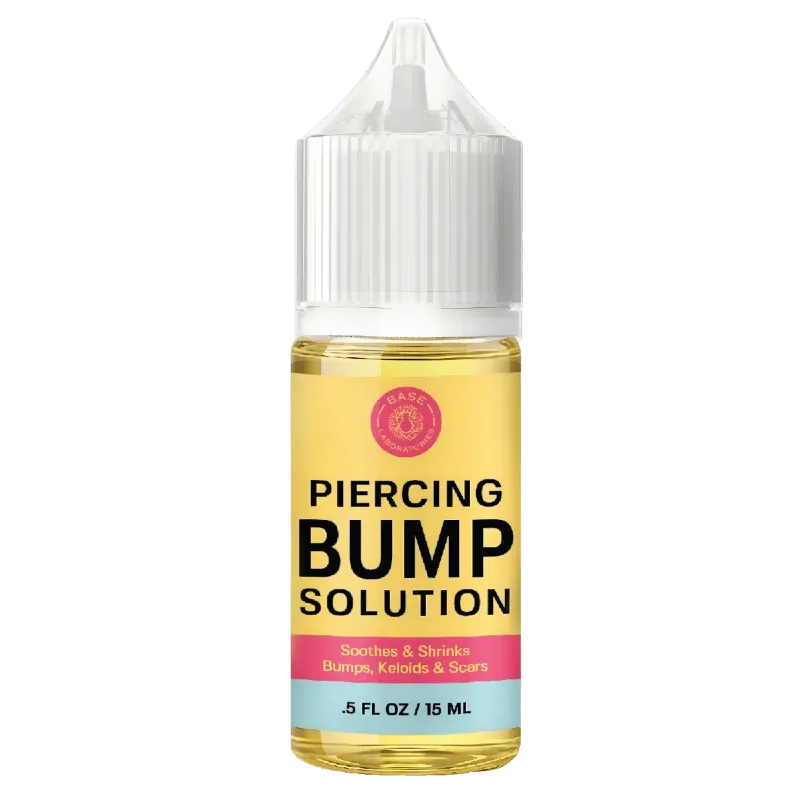
A saline solution for helix piercing is usually the best first thing to use when a piercing bump shows up, because it cleans gently without adding harsh ingredients that can make irritation worse. For most people, that means starting with a product like saline solution for helix piercing or saline spray for piercings, then only considering stronger aftercare options if the bump is not settling.
A bump on a helix piercing does not always mean infection. More often, it is irritation from pressure, sleeping on the ear, over-cleaning, snagging, or jewelry that is not a good fit. The goal is to calm the area down, keep it clean, and avoid anything that slows healing. If you want to compare current options or check the latest price, use the store page rather than guessing at a deal.
When saline solution for helix piercing makes the most sense
For a new or irritated helix piercing, sterile saline is the most straightforward place to start. It helps rinse away debris and soften dried discharge without the stinging or residue that stronger products can leave behind.
It is usually the right first choice when:
- the bump is small and looks irritated rather than severely inflamed
- the piercing feels tender after being bumped or slept on
- you notice crusting that needs gentle softening
- you want a simple routine with fewer variables
A product labeled sterile saline spray for piercings is useful because it is made for easy, low-touch application. That matters on a helix, where handling the jewelry too much can keep the bump going.
If you want more background on why saline is commonly recommended for routine care, this guide on All About Saline Solutions for Piercings gives a helpful overview.
Saline spray vs piercing aftercare spray vs piercing bump solution
These products can overlap, but they are not the same thing. The best pick depends on whether you are dealing with basic irritation, day-to-day cleaning, or a stubborn bump that needs a more targeted approach.
| Product type | Best for | What to know |
|---|---|---|
| Saline spray | Gentle daily cleaning | Best starting point for most helix bumps and fresh piercings |
| Aftercare spray | Ongoing hygiene support | Can be useful when you want a dedicated piercing care product |
| Bump treatment | More targeted bump care | Better saved for persistent irritation after you fix the likely cause |
In practice, we would usually start with piercing aftercare spray only if you want an all-in-one aftercare option, while piercing bump solution makes more sense when the bump keeps returning after basic saline care and pressure reduction.
The most important point is that no product will fully solve a bump if the root cause is still there. Tight jewelry, low-quality metal, friction from headphones, and sleeping on the side can all keep the area inflamed.
How to clean a helix bump without making it worse
Gentle technique matters as much as the liquid you use. Even a good product can be less helpful if the piercing is constantly twisted, picked at, or scrubbed.
- Wash your hands before touching the area.
- Spray the front and back of the helix with saline.
- Let it sit briefly to soften buildup.
- Gently pat away loosened moisture with clean gauze or let it air dry.
- Avoid rotating or moving the jewelry unless a professional piercer tells you to.
A few habits to avoid:
- alcohol or hydrogen peroxide on the piercing
- homemade mixtures with uncertain salt strength
- cotton swabs that leave fibers behind
- heavy ointments that trap moisture
- over-cleaning several times a day
For a practical expert roundup, I asked dermatologists how to care for a new piercing is a useful read. It reinforces the same basic idea we see again and again: gentle cleaning and less irritation usually beat aggressive treatment.
When hypochlorous acid spray can be useful
Some people want something beyond saline but still prefer a gentle-feeling option. That is where hypochlorous acid spray can be worth a look. It is often used in skin care and wound-adjacent hygiene routines because it is easy to spray on and does not feel heavy or oily.
For a helix bump, it may suit you if:
- your skin is reactive and you want a simple mist format
- you are already using saline but want another low-residue care option
- the area around the piercing gets sweaty or exposed to hair products
If your concern is broader skin hygiene rather than the piercing channel itself, hypochlorous acid spray for face may also be relevant. We still would not swap products randomly, though. Start with one gentle option, give it time, and avoid layering several treatments at once unless you know why you are doing it.
If you are shopping and want grab the code before choosing, the store coupon page is the best place to check the current offer.
Common causes of piercing bumps that products alone cannot fix
A helix bump often comes back because the problem is mechanical, not just cleanliness. If you keep treating the bump but ignore the trigger, progress can stall.
Here are the biggest reasons we see:
- Pressure while sleeping: side sleepers often irritate the helix nightly
- Jewelry fit: posts that are too short can squeeze swollen tissue
- Material sensitivity: some metals are more irritating than implant-grade options
- Friction: hats, helmets, earbuds, and hair can rub the spot all day
- Over-cleaning: too much product can dry and stress the skin
| Problem | What helps most |
|---|---|
| Mild irritation bump | Saline, hands-off care, less pressure |
| Recurring bump from friction | Change habits, reduce rubbing, review jewelry fit |
| Product sensitivity | Simplify routine and use fewer ingredients |
| Crusting and tenderness | Gentle rinsing with saline and no picking |
If your jewelry feels embedded, the area is getting progressively hotter or more swollen, or drainage looks concerning, speak with a professional piercer or clinician instead of trying product after product.
Which Base Laboratories option suits different shoppers
The right choice depends on what stage your piercing is in and how simple you want your routine to be.
You may prefer saline-first care if:
- the helix piercing is new
- the bump is mild and likely irritation-based
- you want the lowest-fuss daily cleaner
You may prefer an aftercare spray if:
- you want a dedicated product for regular piercing hygiene
- you are building a full aftercare kit
- you like the convenience of a ready-to-use spray format
You may consider a bump-focused product if:
- you already corrected pressure and jewelry issues
- basic saline care has not been enough on its own
- the bump is persistent rather than newly irritated
For most readers, we would begin with saline solution for helix piercing or sterile saline spray for nose piercing if you prefer a sterile spray format that works well for delicate piercing care. Then reassess based on how the area responds. If you also want to check the latest price before buying, use the store page for the current code and product availability.
The bottom line is simple: start gentle, remove the cause of irritation, and only move to more targeted products when you have a reason. That approach is usually more useful than throwing multiple treatments at a helix bump all at once.
Frequently asked questions
Is saline solution for helix piercing enough for a bump?
Often, yes. If the bump is caused by irritation, a gentle sterile saline routine plus reducing pressure and friction is usually the best place to start.
What is the difference between saline spray for piercings and piercing bump solution?
Saline spray is mainly for gentle cleaning and rinsing. A piercing bump solution is a more targeted product, so it usually makes more sense after you have already fixed common irritation triggers.
Can I use hypochlorous acid spray on a helix piercing?
Some people use hypochlorous acid spray as part of a gentle skin and piercing hygiene routine. We would still keep the routine simple and avoid layering multiple products unless there is a clear reason.
Should I clean a piercing bump more often to make it go away faster?
Usually not. Over-cleaning can irritate the area further, so a consistent but gentle routine is generally better than scrubbing or spraying too often.
When should I stop self-treating a helix bump?
If the jewelry feels too tight, the area is becoming more swollen, hot, or increasingly painful, or the drainage seems unusual, get help from a professional piercer or a clinician.