
How to Set Up the KingCamp Car Tent for a Weekend Road Trip

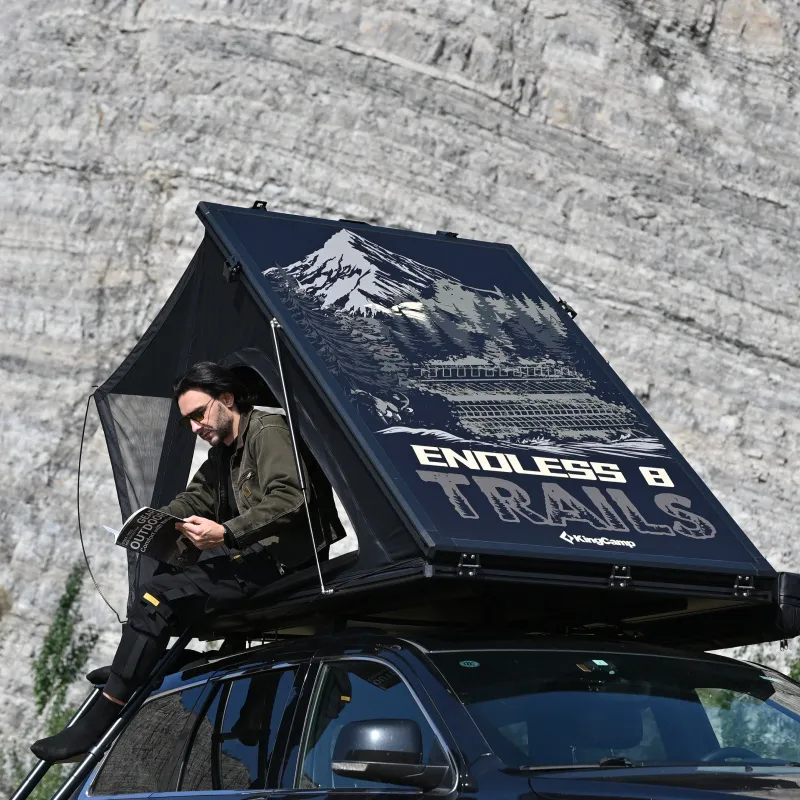
A car tent turns your vehicle into a proper shelter, and the KingCamp Car Tent is one of the most practical ways to do it for a weekend road trip. It attaches directly to your trunk or SUV hatch, extending your sleeping and living space without the fuss of a ground-level pitch. Pair it with the right camping gear and you have a surprisingly capable basecamp almost anywhere you park.
What Is a Car Tent and Why Use One?
A car tent for camping connects to your vehicle's rear opening, creating a hybrid shelter that blends the shelter of a traditional tent with the convenience of your car's storage. Unlike a standalone tent, it keeps your gear organized between the vehicle interior and the attached canopy.
Key reasons campers choose this style:
- Fast setup: Most attach in under 20 minutes with a practiced hand.
- Weather protection: The enclosed tunnel between vehicle and tent keeps rain and wind out of the transition zone.
- Versatile footprint: Works as a car tent SUV setup on larger vehicles or scales down for compact cars via the car tent trunk attachment.
- No need to carry a freestanding shelter: Your car shares the structural load.
For a broader look at how this category compares to rooftop options, Car tents & rooftop tents for cars from Thule is a useful reference on what different vehicle-based shelter styles offer.
Choosing Your Campsite and Parking Position
The setup starts before you touch a single pole. Site selection directly affects how well the tent performs.
- Level ground is non-negotiable. Even a slight slope affects sleep quality and door alignment.
- Point your hatch away from prevailing wind to reduce pressure on the car tent cover and attachment points.
- Clear debris under the footprint. Rocks and roots damage the tent floor and your air mattress.
- Check for overhead clearance if you plan to use a car tent roof extension or additional awning.
Once parked, leave the vehicle in park with the emergency brake set. You do not want the car shifting mid-setup.
How to Set Up the KingCamp Car Tent Step by Step
- Unpack and inventory poles, stakes, and connectors before you start. Lay everything on a picnic blanket so nothing gets lost in grass or gravel.
- Attach the tent skirt to the vehicle hatch. The KingCamp design uses elastic loops and adjustable straps that fit most SUV and hatchback openings. For car tents for windows fitment, tuck the side panels around the rear door frame before closing the doors gently on the fabric tabs.
- Assemble the main poles following the color-coded joints. Slide them through the pole sleeves on the tent body.
- Raise the canopy and clip the tent body to the pole frame. Work from the center outward so tension stays even.
- Stake out the four corners at a 45-degree angle for maximum hold. In soft or sandy ground, cross-stake for extra security.
- Inflate your sleeping pad or mattress. The KingCamp air mattress pump speeds this up considerably and is compact enough to keep in the glove box.
- Lay out your sleeping bag inside and close the inner mesh door to keep insects out while you finish the rest of camp.
Total elapsed time with two people: roughly 15 to 25 minutes depending on ground conditions.
Gearing Up the Rest of Camp
The tent is only one piece of the weekend. A smart kit around it makes the difference between a comfortable trip and a frustrating one.
| Gear Category | Recommended Product | Why It Matters |
|---|---|---|
| Cooking | best camping cookware | Compact nesting sets save trunk space |
| Camp kitchen | lightweight kitchen | Foldable prep surface near the hatch |
| Campfire cooking | campfire grill | Open-fire cooking without a heavy grate |
| Seating | camping chairs | Keeps you off the ground at the door |
| Hauling | folding wagon | Moves gear from car to site in one trip |
A folding wagon is genuinely underrated here. It lets you offload the trunk fast so you can open the hatch fully for the tent attachment without tripping over a pile of duffels.
For a wider perspective on what makes a solid vehicle-based shelter, The 7 Best Car Camping Tents for Couples and Families from Outside is worth a read before you commit to a style.
Sizing: Will This Fit Your Vehicle?
The KingCamp Car Tent is designed with car tent SUV compatibility as the primary use case, but it works on most vehicles with a rear hatch or tailgate.
- SUVs and crossovers: Ideal. The larger hatch opening means more interior headroom in the tent tunnel.
- Hatchbacks: Compatible. Use the size adjustment straps to get a snug seal around the smaller opening.
- Sedans and trucks: Check the specific product dimensions on the store page. Sedans with a trunk lid rather than a hatch need the car tent trunk attachment method, which rests the skirt on the open trunk lip.
- Minimum clearance: You need enough flat ground behind the vehicle to stake out the full tent footprint.
If you are unsure whether your vehicle qualifies, check the latest price and specs on the store page where fitment notes are listed.
Care, Storage, and Longevity
A car tent that is packed wet or stored dirty will degrade fast. Follow these habits:
- Dry before packing. Even brief morning dew needs to air out before you roll the tent into its stuff sack.
- Wipe pole joints with a dry cloth to prevent corrosion at the ferrules.
- Store loosely in a cool, dry place rather than compressed tightly in the stuff sack year-round. Compression degrades the seam tape over time.
- Re-seam seal annually if you camp in heavy rain regularly. A seam sealer takes 10 minutes and adds years to the shelter's life.
- Inspect the hatch straps after every trip. UV exposure weakens elastic over time, and a loose attachment is the main failure point on this style of tent.
Who Gets the Most Out of This Setup?
This approach suits a specific type of camper well:
- Solo travelers and couples who want a fast, repeatable setup at dispersed sites.
- Weekend road trippers who park in one spot and use the vehicle as a base.
- Campers who prioritize trunk access, since you can still reach gear inside the car through the hatch tunnel.
- Beginners who find traditional tent pitching confusing. The vehicle anchors one end, halving the complexity.
If you are building out your full kit, grab the KingCamp discount code before you buy. The current sitewide offer brings the total down across everything from the tent to a hammock chair for your rest days at camp.
Frequently asked questions
What vehicles are compatible with the KingCamp car tent?
The KingCamp Car Tent is designed primarily for SUVs and crossovers with a rear hatch, but it also fits most hatchbacks and many vehicles with an open tailgate or trunk lid. Check the product page for exact fitment dimensions before purchasing.
How long does it take to set up a car tent for camping solo?
With some practice, a solo setup typically takes 25 to 35 minutes. Having a second person cuts that time roughly in half, especially when raising the pole frame and staking out the corners simultaneously.
Can I leave the car tent attached overnight with the hatch open?
Yes, the design is intended for overnight use with the hatch or tailgate open. The straps and elastic skirt seal the gap between tent and vehicle, so rain and insects stay out while you sleep.
Do I need a special air mattress pump for use inside a car tent?
Any pump works, but a compact electric pump like the KingCamp Air Pump is ideal because it inflates quickly and stores neatly in the vehicle without taking up tent-floor space.
Is a car tent cover different from the main tent body?
On most designs, the rainfly or outer shell is referred to as the car tent cover. It layers over the inner mesh body to provide waterproofing and wind resistance, and it should always be deployed when rain is possible.
What other KingCamp gear pairs well with this tent?
A sleeping bag, a lightweight camp kitchen for cooking near the hatch, and a folding wagon for hauling gear from the car to the site are practical additions. Camping chairs set up at the tent door complete the basecamp feel.