
Sitz Bath vs Yoni Steam: Which Is Better for Postpartum Recovery?

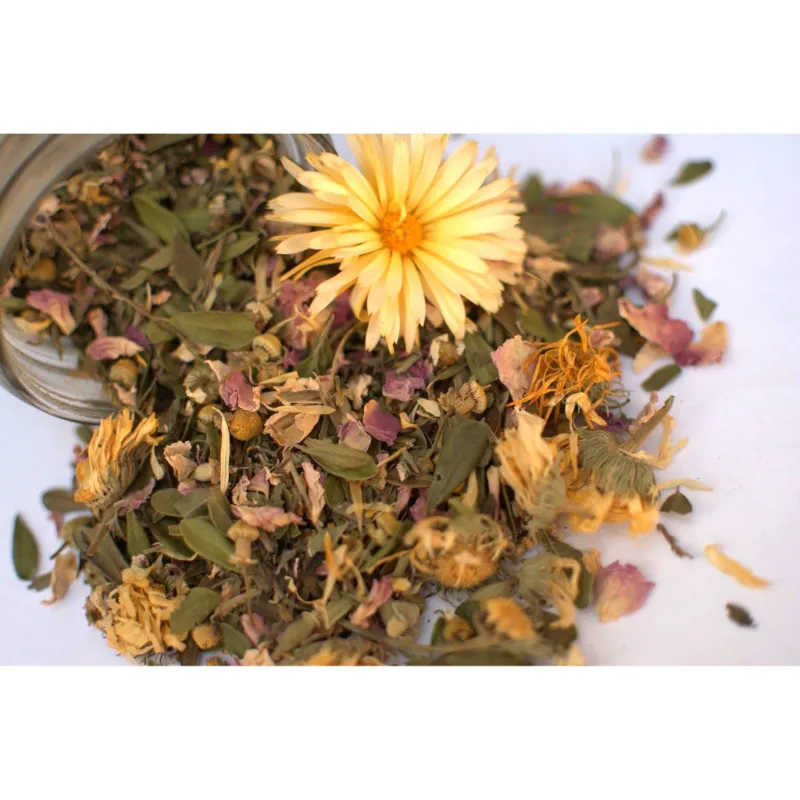
A sitz bath postpartum uses shallow warm water to soothe perineal tears, stitches, and hemorrhoids, while yoni steaming directs herbal vapor upward to promote circulation and relaxation. Both support postpartum recovery, but they work differently and suit different stages of healing.
We tested both methods to help you decide which fits your recovery timeline, comfort level, and healing goals. Here's what actually matters when choosing between a sitz bath postpartum and a yoni steam chair.
How Sitz Baths Support Postpartum Healing
Sitz baths immerse your perineum and lower hips in warm water, typically for 10 to 20 minutes at a time. Postpartum sitz baths reduce pain, swelling, and promote healing by increasing blood flow to tender tissue.
Key benefits for postpartum recovery:
- Cleanses the perineal area gently without friction or irritation
- Reduces swelling around stitches from tears or episiotomies
- Soothes hemorrhoids and eases bowel discomfort
- Provides immediate pain relief during the first two weeks postpartum
Most hospitals recommend starting sitz baths within 24 hours of delivery if you have stitches or tearing. You can use plain warm water or add healing herbs like witch hazel, lavender, or calendula. A postpartum sitz bath basin fits over your toilet, making it easy to soak multiple times per day without filling a full tub.
When to stop sitz bath after delivery: continue as long as you feel discomfort, typically one to three weeks. If you had a cesarean birth with no perineal trauma, sitz baths may not be necessary.
How Yoni Steaming Works for Postpartum Recovery
Yoni steaming (also called vaginal steaming or v-steaming) involves sitting over a pot of herbal-infused steam. The warmth and moisture rise to your pelvic floor, and proponents believe the herbs support uterine cleansing, relaxation, and tissue repair.
Potential yoni steam benefits postpartum:
- Increases pelvic circulation and warmth
- May reduce menstrual cramping when periods return
- Offers a calming, meditative self-care ritual
- Some users report faster lochia flow and less stagnation
A vaginal steam chair or v steam stool provides a safe, comfortable setup with a seat cutout positioned over a steam bowl. Many come with temperature-safe materials and adjustable steam intensity.
Important safety note: wait until bleeding has significantly slowed and any stitches have started healing before trying yoni steaming. Most midwives recommend waiting at least two to three weeks postpartum, and some suggest waiting until lochia has completely stopped to avoid infection risk.
Sitz Bath vs Yoni Steam: Key Differences
| Feature | Sitz Bath | Yoni Steam |
|---|---|---|
| Method | Warm water immersion | Herbal vapor exposure |
| When to start | 24 hours postpartum | 2-3 weeks postpartum or later |
| Best for | Stitches, hemorrhoids, immediate pain | Relaxation, circulation, later recovery |
| Session time | 10-20 minutes, 2-4x daily | 20-30 minutes, 1-3x weekly |
If you have postpartum stitches, hemorrhoids, or acute perineal pain in the first two weeks, a sitz bath is the safer, evidence-backed choice. Water-based soaking is gentle, cooling (if you use cool water for hemorrhoids), and widely recommended by OB-GYNs and midwives.
If you're past the initial healing phase and want a warming, circulation-boosting ritual, a yoni seat or uni steam seat can complement your recovery routine. Postpartum bathing myths are common, but gentle warmth is generally safe once active bleeding has slowed.
How to Use a Sitz Bath Postpartum Safely
Step-by-step:
- Fill your basin with 3-4 inches of warm (not hot) water, around 95-100°F
- Add sitz bath postpartum herbs if desired: witch hazel, Epsom salt, or a pre-made herbal blend
- Sit for 10-20 minutes, letting the water cover your perineum
- Pat dry gently with a clean towel—no rubbing
- Repeat 2-4 times daily, especially after bowel movements
Check our Vibrant Souls discount code for 15% off sitz bath basins and herbal blends. Many users on sitz bath postpartum Reddit threads recommend adding a squirt bottle for rinsing before each soak to keep the area clean.
Using a sitz bath postpartum with stitches: keep water temperature moderate and avoid scrubbing. The water itself does the work.
When Yoni Steaming Makes Sense Postpartum
Yoni steaming is not a replacement for sitz baths during acute healing, but it can support your body once the initial postpartum window has passed. Learn more about safe postpartum sitz bath practices and timing recommendations.
Best candidates for postpartum yoni steaming:
- You're at least 2-3 weeks postpartum with no active bleeding
- Stitches are healed and you have no open wounds
- You want a warming, relaxing self-care practice
- You're interested in traditional pelvic wellness rituals
A yoni box often includes herbs, a steam seat, and instructions for safe home use. Common postpartum steam herbs include mugwort, rose petals, chamomile, and lavender.
Who should skip yoni steaming: anyone with active bleeding, infection, open stitches, or a history of pelvic inflammatory disease. Always ask your midwife or OB-GYN before starting.
Can You Use a Sitz Bath for Yeast Infections?
Yes—a sitz bath yeast infection soak with baking soda or antifungal herbs can ease itching and irritation. Use cool to lukewarm water (heat can worsen yeast symptoms) and avoid scented soaps or oils that disrupt vaginal pH.
Yoni steaming is *not* recommended for active yeast infections, as the moisture and warmth can encourage fungal growth. Stick with sitz baths or prescribed antifungals until symptoms clear.
Sitz Bath Postpartum Hemorrhoids: What Works Best
Hemorrhoids are common postpartum, and sitz baths offer fast relief. Alternate between warm soaks to increase circulation and cool soaks to reduce swelling. Witch hazel and Epsom salt are both safe and effective additions.
For hemorrhoid care, sitz baths beat yoni steaming—water immersion directly reduces pressure and inflammation, while steam alone won't provide the same mechanical relief.
Grab the current discount on sitz bath setups and herbal blends to start your recovery routine today.
Our Bottom Line: Which Should You Choose?
Choose a sitz bath if:
- You're in the first 2-3 weeks postpartum
- You have stitches, tears, or hemorrhoids
- You want evidence-backed, medically recommended care
Choose yoni steaming if:
- You're past the acute healing phase
- You want a calming, warming self-care ritual
- You're interested in traditional pelvic wellness practices
Many people use both: sitz baths immediately postpartum, then transition to occasional yoni steaming once bleeding stops and tissue has healed. Listen to your body, follow your provider's guidance, and choose the method that feels safest and most supportive for your recovery journey.
Frequently asked questions
Can I start using a sitz bath immediately after giving birth?
Yes, most hospitals and midwives recommend starting sitz baths within 24 hours of delivery if you have perineal tears, stitches, or hemorrhoids. The warm water soothes pain and promotes healing without irritating tender tissue.
When should I stop using a sitz bath after delivery?
Continue sitz baths as long as you feel discomfort, typically one to three weeks postpartum. Once stitches have healed and pain has subsided, you can stop or reduce frequency. If symptoms return, resume soaking as needed.
Is yoni steaming safe for postpartum recovery?
Yoni steaming can be safe once active bleeding has stopped and any stitches have healed, usually at least two to three weeks postpartum. Always check with your midwife or OB-GYN before starting, especially if you had tearing or infection.
Can I use a sitz bath if I have postpartum stitches?
Yes, sitz baths are specifically recommended for postpartum stitches. The warm water increases blood flow and reduces swelling without friction. Use lukewarm water and pat dry gently—never rub the area.
What herbs are safe to add to a postpartum sitz bath?
Witch hazel, Epsom salt, lavender, calendula, and chamomile are all safe and soothing. Avoid anything with strong fragrance or essential oils that might irritate healing tissue.
Can I do both sitz baths and yoni steaming postpartum?
Yes, many people use sitz baths during the first two to three weeks for immediate healing, then transition to yoni steaming once stitches have healed and bleeding has stopped. Use each method at the appropriate stage of recovery.