
What Size Shed Do I Need: TMG Industrial 20X30 vs 20X40 Comparison

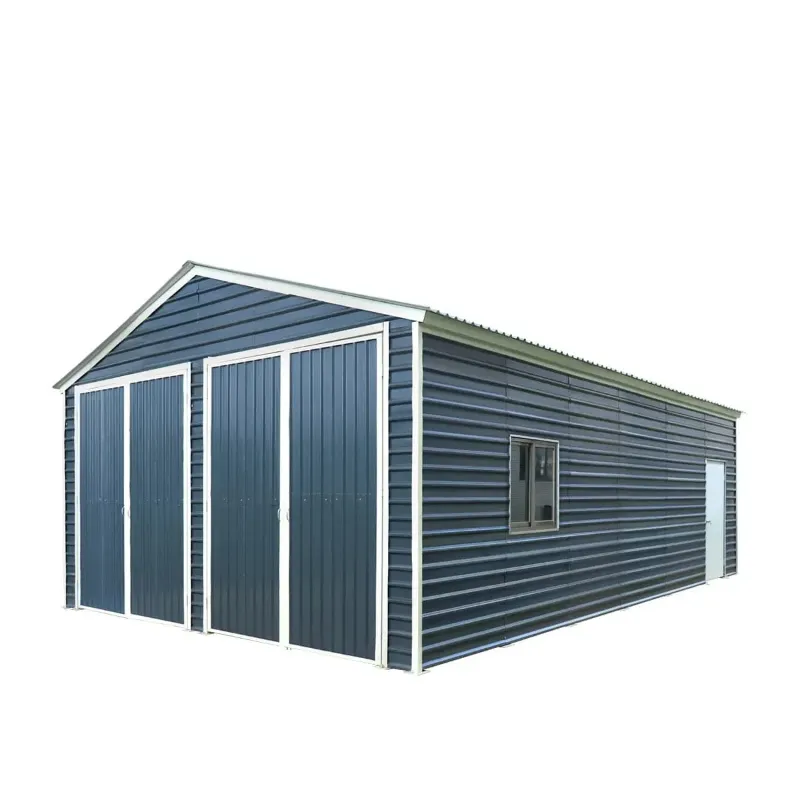
What Size Shed Do I Need: 20X30 vs 20X40 Comparison
A 20x30 shed provides 600 square feet of covered space, which is large enough to store riding mowers, ATVs, a small tractor, workshop tools, and seasonal equipment while fitting on most residential and rural properties. If you need room for multiple vehicles or plan to park larger equipment like a truck alongside your implements, a 20x40 shed offers 800 square feet but requires more site preparation and a bigger budget.
We tested TMG Industrial's shed options to help you decide which footprint matches your storage needs, property size, and long-term plans. The right choice depends on what you're storing, how you'll use the space, and whether you want room to grow.
How Much Space Does a 20x30 Shed Actually Give You
A 20x30 footprint translates to 600 square feet of floor space. That's enough to comfortably fit a compact tractor, a skid steer grapple bucket, a 3 point finish mower, and a workbench along one wall with room to walk around everything. You can also store a 3 point wood chipper, a 3pt snow thrower, and a quad snow blower vertically or on wall mounts to maximize floor space.
Most buyers use a 20x30 shed for:
- Workshop and equipment combo: Half for a workbench, tool cabinets, and a welding station; half for a tractor and implements
- Seasonal equipment rotation: Summer gear like mowers and chippers swap with winter tools like a skid steer snow blower or 3 point hitch snow blower
- Small farm operations: Store feed, a 3 point linkage stump grinder, fencing supplies, and a utility vehicle
- Vehicle plus storage: One side for a truck or side-by-side, the other for shelving and equipment
If you want a loft for overhead storage, a 20x30 shed with loft effectively doubles your usable space for lighter items like seasonal decorations, tarps, or bags of feed. We recommend 10-foot sidewalls minimum if you're adding a loft.
20X30 vs 20X40: Which Footprint Fits Your Needs
The jump from 20x30 to 20x40 adds 200 square feet, which sounds modest but changes how you use the building. Here's how the two sizes compare in real-world scenarios.
| Feature | 20x30 Shed | 20x40 Shed |
|---|---|---|
| Floor space | 600 sq ft | 800 sq ft |
| Best for | Single vehicle + equipment, workshop | Multiple vehicles, commercial use, full shop |
| Site prep | Smaller concrete slab or gravel pad | Larger foundation, more grading |
| Cost range | Lower material and labor costs | 25-35% more in materials alone |
A 20x30 works when you need organized storage and a functional workspace but don't plan to park multiple full-size vehicles inside. It fits on tighter lots and costs less to heat or insulate if you're using it year-round. Check the latest price to see current material costs with our discount code.
A 20x40 makes sense if you're storing a truck, a tractor, and a side by side with snowblower simultaneously, or if you're running a small landscaping or contracting business and need space for bulk materials. The extra 10 feet of depth also gives you room to add a dedicated partition or overhead door on each end.
Material and Construction Options for a 20x30 Shed
TMG Industrial builds their sheds from galvanized steel with engineered trusses, which resists rust, requires no painting, and stands up to snow loads and high winds better than wood. A 20x30 metal shed typically uses 12-gauge or 14-gauge steel framing with ribbed or corrugated panels.
If you prefer a 20x30 wood shed for aesthetics or easier customization, expect to treat the lumber every few years and budget for more maintenance. A 20x30 wood shed kit ships pre-cut and simplifies assembly, but metal remains the lower-maintenance choice for equipment storage.
Foundation considerations: Most buyers pour a 4-inch concrete slab with rebar or use a compacted gravel pad with ground anchors. The 20x30 metal building with concrete slab cost typically runs higher upfront but eliminates moisture issues and provides a solid floor for heavy machinery. We recommend concrete if you're parking equipment with hydraulics or planning a workshop.
Who Should Choose a 20x30 Shed Over Larger Sizes
A 20x30 footprint suits homeowners, hobby farmers, and small-acreage property owners who need serious storage without the expense or site requirements of a 30x40 or larger building. It's the sweet spot when you own:
- A compact tractor or zero-turn mower plus attachments
- Seasonal equipment that you rotate (mowers in summer, blowers in winter)
- A small vehicle or UTV and want a covered workspace
- Enough tools and materials to justify a dedicated building but not a full pole barn
This size also works if your local zoning treats buildings under 700 square feet differently for permits or setbacks. Check your municipality's rules before you order.
If you're debating between a 20x30 and a smaller 10x20 or 12x24, consider whether you'll realistically keep the space organized. A cramped shed turns into a junk pile fast. The extra square footage in a 20x30 lets you create zones: one bay for equipment, another for a workbench, and a third for supplies.
Planning Your 20x30 Shed Layout and Add-Ons
Measure your largest equipment before you finalize the shed size. A compact tractor with a loader typically spans 8 to 10 feet long and 5 to 6 feet wide, so you need clearance on all sides to maneuver. Plan for:
- Door placement: A single 10x10 roll-up door on the gable end works for most layouts. Add a walk-in door on a sidewall for daily access.
- Ceiling height: 10 to 12 feet at the peak gives you room to hang a 3 point snowblower from a hoist or store a dog pen 10x10 overhead when not in use.
- Workbench zone: A 6-foot bench along one sidewall leaves the center open for vehicles.
- Ventilation: Ridge vents or gable louvers prevent condensation on metal panels and keep the space comfortable in summer.
We recommend leaving at least 2 feet of clearance around parked equipment so you can open doors, attach implements, and perform maintenance without dragging everything outside. Grab the code before you order to save on your build.
Where to Find 20x30 Shed Plans and Kits
TMG Industrial sells complete shed kits with pre-drilled steel panels, hardware, and instructions. These arrive ready to assemble on your prepared foundation. If you're sourcing materials separately or building from scratch, free 20x30 shed plans are available online, though you'll spend more time cutting and measuring.
DIY vs professional install: A metal kit goes up faster with two or three people and basic tools. Wood framing requires more carpentry skill, especially for truss construction. Budget a weekend for a metal kit or a full week for a wood build if you're working solo.
When you're ready to move forward, compare the total 20x30 shed price including delivery, foundation prep, and any electrical or insulation upgrades. Metal kits often cost less overall once you factor in longevity and maintenance.
Frequently asked questions
How much does a 20x30 shed cost to build?
A complete metal shed kit typically costs less than a wood build when you include materials, delivery, and long-term maintenance. Foundation work and site prep add to the total, with concrete slabs raising costs compared to gravel pads. Check current pricing with available discount codes for the most accurate estimate.
Can I fit a tractor and a workbench in a 20x30 shed?
Yes, a 20x30 shed provides 600 square feet, enough for a compact tractor in the center with a 6 to 8 foot workbench along one wall and room for attachments or seasonal equipment on the opposite side. Plan for 2 feet of clearance around the tractor for access.
Do I need a permit for a 20x30 shed?
Most municipalities require permits for structures over 200 square feet, and a 20x30 shed at 600 square feet typically needs one. Check with your local building department for setback requirements, foundation specs, and whether you need engineered drawings before you order.
What is better for a 20x30 shed, metal or wood?
Metal sheds require less maintenance, resist rot and pests, and typically cost less over their lifespan. Wood offers easier customization and a traditional look but needs regular treatment and repainting. Metal is the better choice for equipment storage in wet or variable climates.
How do I prepare the ground for a 20x30 shed?
Level and compact the site, then pour a 4-inch concrete slab with rebar for the most stable foundation, especially for heavy equipment. Alternatively, use a gravel pad at least 6 inches deep with landscape fabric underneath and anchor the shed to ground anchors.
Will a 20x30 shed hold multiple ATVs and a truck?
A 20x30 shed can fit a truck and one or two ATVs if you park efficiently, but it will feel tight. If you need regular access to all vehicles simultaneously or plan to add more equipment, a 20x40 shed provides better clearance and flexibility.