
Synergee Squat Rack vs Exercise Bench: What You Need First for a Safe Home Gym Setup

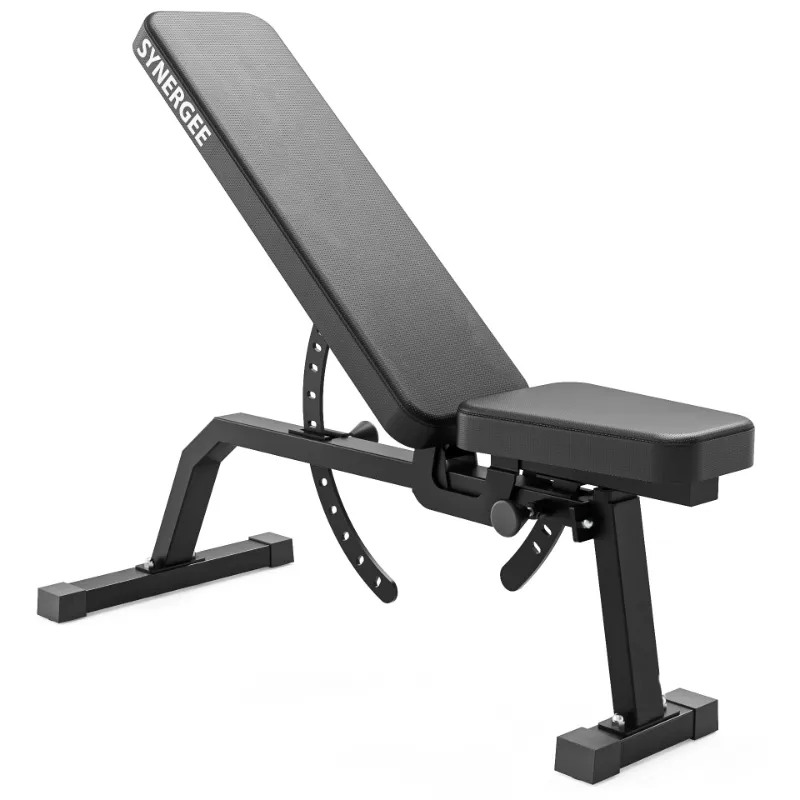
A squat rack is usually the better first buy for a safe home gym setup because it gives you a protected place to train your biggest barbell lifts. If you're deciding between Synergee's squat rack and exercise bench, start with the rack if squats, presses, and long-term progression are your priority.
That said, the bench is not a bad first purchase. The right order depends on your space, your lifting experience, and whether you are building around a barbell now or adding pieces one by one. If you want the current price or our code before you buy, check the latest price.
Start with the squat rack if safety is the main goal
For most home lifters, a rack adds more immediate safety than a bench. That is especially true if you train alone and want a squat rack for home gym use that supports progressive strength work.
Why the rack often comes first:
- It creates a defined setup for squats, overhead presses, and rack-based barbell work
- Safeties or support arms can reduce the risk of getting pinned on a missed rep
- It lets you train with better consistency than lifting a bar from the floor or improvised stands
- It becomes the anchor for a bigger setup later, including a bench, barbell, and attachments
If your plan includes a barbell one, the rack has even more value because it turns a simple barbell into a much broader training system. For readers comparing options outside Synergee, these roundups from Garage Gym Reviews and Gym Crafter are useful for understanding how different rack styles fit different rooms and budgets.
Choose the exercise bench first if your training is simpler
A bench can be the smarter first purchase if you are not ready for a full barbell setup. Synergee's exercise bench will usually make sense first if your workouts center on dumbbells, seated shoulder presses, step-ups, hip thrusts, and general strength training.
A bench-first setup suits you better when:
- You have limited floor space or low ceilings
- You mostly train with dumbbells, resistance bands, or bodyweight
- You are easing into home workouts and want less setup complexity
- You want something you can use right away for presses, rows, split squats, and core work
This is where many people confuse versatility with progression. A bench is versatile, but a rack often gives you a stronger path for long-term loading, especially if your goal is classic barbell strength.
Squat rack and bench: which setup gives you more useful exercises?
The best answer for most people is eventually squat rack and bench, not one forever instead of the other. But if you need to prioritize, it helps to compare what each unlocks on day one.
| Setup | Best for | Main limitation |
|---|---|---|
| Rack only | Squats, standing presses, rack pulls, barbell progression | No proper bench press or supported seated work |
| Bench only | Dumbbell training, accessory work, compact spaces | Less safety and fewer barbell options |
| Rack + bench | Full-body strength training with more exercise variety | Needs more space and budget |
With both pieces together, your squat rack workout options expand fast:
- Back squat and front squat
- Bench press and incline variations
- Overhead press
- Barbell rows from safeties
- Split squats and step-ups using the bench
- Hip thrusts and supported accessory work
If you know you will end up buying both, the practical move is to buy the piece that solves your biggest limitation first, then grab the code when you're ready for the second item.
How to decide based on space, experience, and training style
The right first product is usually obvious once you look at how you actually train, not how you imagine your ideal gym.
Buy the rack first if:
- You already use a barbell or want to learn barbell basics
- You care most about squatting safely at home
- You train alone and want more built-in protection
- You plan to expand with a landmine attachment or other rack-based accessories
Buy the bench first if:
- You need a simpler starting point
- You mainly do dumbbell or bodyweight work
- You want one piece that stores or moves more easily
- You are still deciding whether a larger squat rack cage style setup will fit your room
Beginners sometimes overbuy. If you are not yet using a barbell, a bench can be a lower-friction start. But if your goal is serious strength work, delaying the rack usually just postpones the purchase you actually need.
What to add after your first piece
A smart home gym grows in layers. Once your first major piece is in place, the next purchases should fill real training gaps rather than just add clutter.
Good additions after a rack:
- exercise bench for presses, supported rows, and split squats
- barbell one to make the rack fully usable for major lifts
- landmine attachment for rows, presses, and rotational work
Good additions after a bench:
- The squat rack if you want safer barbell training
- roman chair for lower-back, glute, and trunk work
- plyo boxes for jumps, step-ups, and conditioning
After that, accessories should reflect your weak points. A preacher curl bench or ez curl bar can help arm-focused lifters. A trap bar weight can be appealing if you want a more approachable pulling pattern. None of those should come before your core setup unless your training is very specific.
Our practical recommendation for a safer first setup
For most readers, we would buy the rack first, then add the bench as soon as budget and space allow. That order gives you the better safety foundation and a clearer upgrade path, especially if your home gym is meant to support real strength progress over time.
Choose the bench first only if your training is currently lighter, simpler, and less barbell-centered. Otherwise, the rack is the piece that does more to shape a safe, durable setup from the start.
Before you buy, it is worth checking the latest Synergee code and pricing so you can compare your total cost and decide whether to buy one piece now or build a better pair over time.
Frequently asked questions
Should I buy a squat rack or a workout bench first?
If you plan to train with a barbell, we usually suggest starting with the rack because it adds safeties and gives you more ways to lift. A bench makes more sense first if your training is mostly dumbbell work, seated presses, and basic strength work without a barbell setup.
Do I need a bench to use the Synergee Squat Rack well?
No. You can squat, press, rack pulls, and do other standing lifts without a bench. Adding a bench later expands your setup into bench press, incline work, and more accessory training.
What makes a squat rack for home gym use feel safer?
The key factors are stable construction, proper setup, enough clearance around the rack, and safeties set to the right height for your lifts. Good flooring and using the right barbell and plates also matter for control and confidence.
Is a squat rack and bench setup enough for a full home gym?
For many people, yes. A rack, bench, and barbell cover most foundational strength movements, and you can add accessories over time based on your weak points and goals.
What should I add after a rack and bench?
That depends on your training style. Good next steps can include a barbell, landmine attachment, curl bench, roman chair, or plyo boxes to fill in strength, accessory, and conditioning work.