
Are Stacking Stones Safe for Toddlers? A Parent's Guide

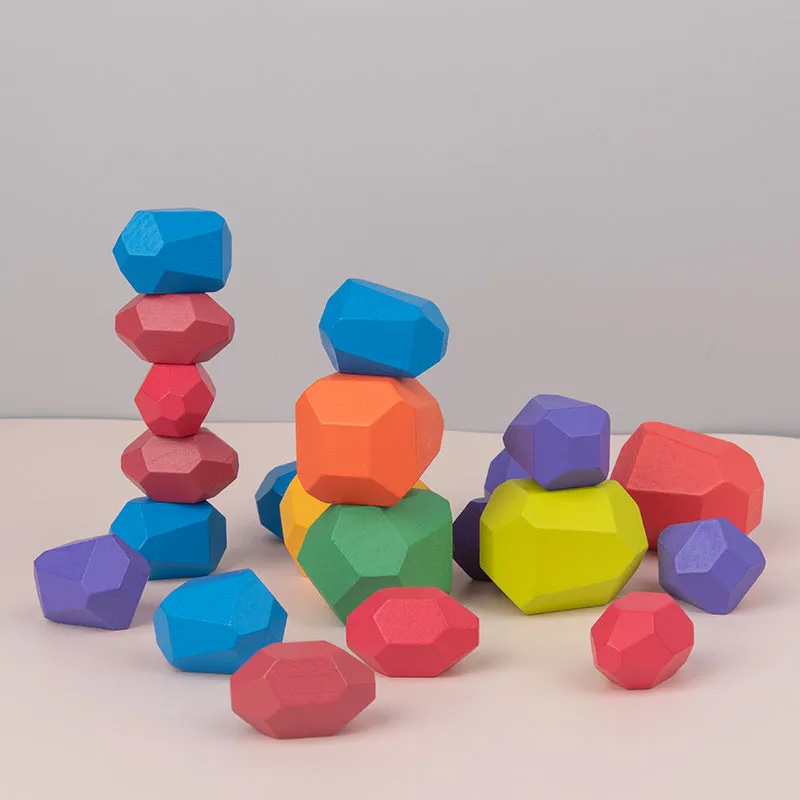
Are Stacking Stones Safe for Toddlers?
Stacking stones are generally safe for toddlers when designed as toys with smooth edges, non-toxic materials, and appropriately sized pieces that prevent choking hazards. The key is choosing purpose-built fine motor skills toys rather than actual rocks from the garden, and supervising play until your child understands how to use them properly. We tested multiple options to help you decide whether a stacking stones toy belongs in your toddler's playroom.
What Makes a Stacking Stones Toy Safe
Not all stacking toys are created equal. Here's what we look for when evaluating safety:
- Size matters – Pieces should be large enough that they cannot fit through a toilet paper roll (the standard choking hazard test). Most toddler-safe stacking stones measure at least 2 inches across.
- Smooth, rounded edges – Unlike natural stones used in rock balancing art, toy versions should have no sharp corners or rough surfaces that can scratch or pinch.
- Non-toxic materials – Look for wood finished with food-safe oils or silicone that meets toy safety standards. Avoid painted versions unless the manufacturer confirms lead-free, child-safe paint.
- Stable base options – Some sets include flat-bottomed stones that reduce frustration and tipping accidents for younger toddlers.
- Weight distribution – Lightweight materials like wood or foam won't cause injury if a tower topples onto little fingers or toes.
We recommend checking the latest pricing and applying our code before you buy, as many safer options cost less than you'd expect.
Best Age to Introduce Stacking Stones
Most manufacturers recommend stacking stones toys for ages 18 months and up, though some simpler sets work for children as young as 12 months with close supervision. Here's how different ages interact with them:
| Age Range | Skill Level | What to Expect |
|---|---|---|
| 12-18 months | Exploration | Mouthing, knocking down, simple two-stone stacks |
| 18-24 months | Basic stacking | Three to four stones, trial and error, frequent toppling |
| 2-3 years | Problem-solving | Balancing challenges, color sorting, pattern building |
If your toddler still mouths toys frequently, wait until that phase passes or choose larger stones. Pair stacking practice with other developmental toys like a cube with shapes to build spatial reasoning across multiple play types.
Stacking Stones vs Other Toddler Toys
Parents often ask how a stacking stones toy compares to traditional blocks or rings. Each has distinct benefits:
Stacking stones challenge balance and patience because the irregular shapes require problem-solving. They're quieter than wooden blocks and less likely to become projectiles. The open-ended nature means no "wrong" way to play, which reduces frustration.
Traditional blocks offer more building versatility for structures like towers and houses, but they stack predictably. They're better for older toddlers ready for imaginative construction play.
Ring stackers teach size sequencing but become repetitive quickly. Stones keep toddlers engaged longer because each attempt feels different.
We've found that rotating toys keeps interest high. Store stones alongside a children's night lamp or baby night light in a low shelf so your toddler can access them independently during quiet play times.
Materials Guide: Wood, Silicone, and Foam
The material you choose affects both safety and play experience:
Wooden stacking stones feel substantial and satisfying to stack. They're durable, sustainable, and often finished with natural oils. The weight provides sensory feedback that helps toddlers understand balance. Check that edges are sanded smooth and sealed properly.
Silicone stones are the softest option, ideal for younger toddlers or those who throw toys. They're dishwasher-safe, making cleanup simple after outdoor play or sticky-handed sessions. The grippy texture prevents slipping but can attract dust.
Foam stones are lightweight and nearly silent, perfect for apartment living or early morning play. They're less satisfying for older toddlers who want the challenge of real balance physics.
We've tested all three materials and found wooden versions offer the best longevity and skill progression. Grab our code to save on quality wooden options that will last through multiple children.
Safety Tips for Supervised Play
Even with the safest stacking stones toy, supervision matters. Here's how we keep playtime worry-free:
- Create a soft play zone – Use a rug or foam mat underneath to cushion toppling stones and protect floors from scratches.
- Store properly – Keep stones in a dedicated container like decorative gift boxes or boxes for gifts that teach cleanup while preventing pieces from scattering underfoot.
- Model gentle handling – Show your toddler how to place rather than drop stones. Narrate your process: "I'm balancing this one carefully on top."
- Watch for frustration – Stacking requires patience. If your child becomes upset, suggest knocking down your tower instead, or switch to a simpler activity.
- Inspect regularly – Check for cracks, splinters, or loose parts that could pose hazards as toys age.
Natural stone stacking in gardens carries different risks. As conservationists note when they call for an end to cairns, moving rocks disrupts ecosystems. For toddlers, outdoor rocks pose choking, pinching, and bacteria risks that manufactured toys don't.
What Stacking Stones Teach Your Toddler
Beyond safety, consider the developmental benefits that make stacking stones toy worth the investment:
- Fine motor control – Gripping, placing, and adjusting stones strengthens the small hand muscles needed for writing and self-care tasks.
- Hand-eye coordination – Aligning wobbly pieces builds the visual-motor skills used in everything from catching balls to buttoning shirts.
- Spatial reasoning – Understanding which stone shapes balance where teaches geometry concepts naturally.
- Patience and focus – Rebuilding after a collapse develops emotional regulation and persistence.
- Cause and effect – Toddlers learn that placement affects outcome, a foundational science concept.
These same skills transfer to other activities. A child who masters stone balance often excels with toddler bracelets threading or bracelet newborn keepsake projects later, since both require similar precision.
Where to Buy Safe Stacking Stones
We recommend shopping from stores that specialize in developmental toys and provide clear age ratings, material lists, and safety certifications. Woodemon offers a curated selection of toddler-safe options, and you can check current pricing with our exclusive discount for 15% off sitewide.
Look for products labeled with ASTM, CPSC, or EN71 compliance, which means they've passed standardized safety tests. Read recent reviews from other parents about durability and whether pieces held up to enthusiastic toddler use.
Avoid purchasing decorative stacking stones for garden use as toys. These aren't manufactured with child safety standards and may have sharp edges, unstable shapes, or coatings unsafe for mouthing.
Making the Right Choice for Your Family
Stacking stones can be a safe, engaging addition to your toddler's toy collection when you choose thoughtfully. Prioritize age-appropriate sizing, smooth materials, and brands that clearly state their safety testing. Supervise play, especially in the early months, and watch your child's problem-solving skills blossom.
Every toddler develops at their own pace. If your 18-month-old isn't interested yet, store the stones away and try again in a few months. Alternatively, introduce them alongside familiar favorites like a nursery lamp during calm evening routines, when your toddler is more receptive to focused activities.
The right stacking stones toy grows with your child, transitioning from simple two-stone towers to complex balanced sculptures that even adults find challenging. That longevity makes them one of the better investments in your toddler's playroom.
Frequently asked questions
What age can babies start playing with stacking stones?
Most stacking stones toys are safe for babies 18 months and older, though some larger sets work for 12-month-olds with close supervision. Wait until your baby has stopped mouthing toys frequently to reduce choking risk.
Are wooden stacking stones safer than plastic?
Wooden stacking stones are equally safe when properly finished with non-toxic sealant and smooth edges. They offer better durability and sensory feedback than plastic, though silicone is softer for toddlers who throw toys.
Can toddlers choke on stacking stones toys?
Toddlers can choke if stones are too small. Choose pieces at least 2 inches across that cannot fit through a toilet paper roll, and always supervise play with children under 3 years old.
How do I clean stacking stones toys safely?
Wipe wooden stones with a damp cloth and mild soap, then dry immediately. Silicone stones can go in the dishwasher. Avoid soaking wooden toys, as it can damage the finish and create splinters.
Should I let my toddler stack real rocks from outside?
Real rocks pose safety risks including sharp edges, bacteria, and choking hazards from small stones. Purpose-made stacking stones toys are much safer and designed specifically for toddler hands and abilities.
Do stacking stones help with fine motor skills development?
Yes, stacking stones significantly improve fine motor skills by requiring precise hand movements, grip control, and hand-eye coordination. They also build patience and problem-solving abilities through trial and error.