
Why Sugar Free Electrolyte Powder Clumps and How to Store It Properly

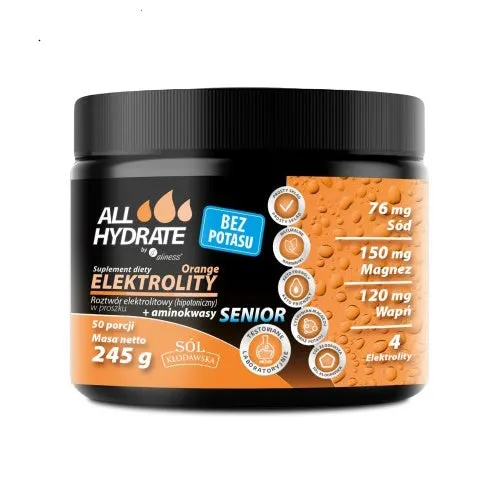
Sugar free electrolyte powder clumps primarily because hygroscopic ingredients like potassium citrate and magnesium compounds absorb moisture from the air, causing particles to bind together. Without sugar acting as a natural barrier, these formulas are especially vulnerable to humidity, temperature fluctuations, and poor sealing. Understanding why clumping happens and how to prevent it saves you from wasting powder and ensures every scoop dissolves smoothly.
Why Sugar Free Electrolyte Powder Clumps More Than Sweetened Versions
Traditional electrolyte powders rely on sugar or dextrose to coat mineral salts and create a moisture barrier. When manufacturers remove sugar to create sugar free electrolytes, those protective layers disappear. The naked mineral salts—sodium, potassium, magnesium, and calcium—become highly hygroscopic, meaning they pull water vapor directly from the surrounding air.
Artificial sweeteners and sugar alcohols like erythritol or stevia extracts do not provide the same protective coating. Many sugar-free formulas also include amino acids or herbal extracts that compound the moisture sensitivity. Temperature changes accelerate the problem: when you move a container from a cool cupboard to a warm gym bag, condensation forms inside, and your powder turns into a solid brick overnight.
The best sugar free electrolyte powder products combat this with anti-caking agents like silicon dioxide or calcium silicate, but even these have limits. If you live in a humid climate or frequently open and close the container, clumping is almost inevitable without proper storage habits.
How to Store Sugar Free Electrolyte Powder to Prevent Clumping
Proper storage revolves around three principles: keep it dry, keep it cool, and limit air exposure. Follow these steps to extend shelf life and maintain texture:
- Transfer to airtight containers immediately after opening the original packaging. Glass jars with rubber gasket lids or food-grade plastic bins with locking clamps work best. Avoid containers with flip-tops or loose-fitting lids.
- Add food-safe desiccant packets to absorb residual moisture. Silica gel packets from vitamin bottles work perfectly. Replace them every two to three months or when they change color (if using indicator packets).
- Store in a cool, dark cupboard away from the stove, dishwasher, or any heat source. Ideal storage temperature is 15–21°C. Never refrigerate electrolyte powder; the moisture inside fridges causes worse clumping.
- Use a dry scoop every time and never dip a wet spoon into the container. Even a few drops of water will trigger clumping within hours.
- Keep the container away from the shower, sink, or kettle where steam accumulates. Bathroom storage is the worst choice for any powder supplement.
If you buy in bulk to take advantage of our Aliness discount code, portion the powder into smaller weekly containers. This minimizes how often you expose the main supply to air and humidity.
Best Containers and Storage Tools for Electrolyte Supplements
Not all containers provide equal protection. We tested dozens of storage solutions alongside products like sugar free electrolytes and other powdered supplements including lactobacillus rhamnosus gg and loose green tea. Here's what works:
| Container Type | Airtightness | Best For |
|---|---|---|
| Mason jars with metal clamp lids | Excellent | Home storage, low humidity |
| Vacuum-sealed canisters | Outstanding | Bulk powder, long-term storage |
| OXO Pop containers | Very good | Daily use, easy one-hand access |
| Original foil pouches with clips | Fair | Short-term, requires extra sealing |
Vacuum-sealed canisters with pump lids remove excess air each time you close them, extending freshness by weeks. OXO Pop containers with silicone gaskets offer the best balance of convenience and protection for daily scooping. If you keep the original foil pouch, fold the top three times and secure with heavy-duty binder clips, not clothespins.
For gym bags or travel, single-serve containers prevent you from carrying the entire tub. Pre-portion your electrolyte powder for the week every Sunday, and you'll never expose your main supply to locker-room humidity. Many brands including Sqwincher Zero offer individual packets that eliminate storage concerns entirely.
What to Do When Your Electrolyte Powder Has Already Clumped
If your powder has formed small clumps, you can usually salvage it with these methods:
- Break up soft clumps by placing the powder in a sealed plastic bag and gently rolling a bottle or rolling pin over it. Do not crush aggressively or you'll create dust.
- Sift through a fine-mesh strainer to separate free-flowing powder from stubborn lumps. Discard any rock-hard chunks that do not break apart easily.
- Pulse in a clean, dry blender for five to ten seconds. This works for moderate clumping but can create static that makes the powder stick to surfaces.
- Check for off smells or discoloration before using salvaged powder. If the texture feels sticky rather than gritty, or if you detect sour or chemical odors, moisture has triggered degradation and the powder should be discarded.
Hard, cement-like clumps usually mean significant moisture infiltration. At this stage the electrolyte balance may have shifted as minerals bind unevenly, and dissolved powder may not deliver the intended sodium-to-potassium ratio. When in doubt, grab a fresh container with our discount code rather than risk incomplete hydration.
Sugar Free Electrolyte Powder for Fasting and Specialized Uses
Many people choose sugar free electrolyte powder for fasting because it provides essential minerals without breaking ketosis or spiking insulin. However, fasting protocols often mean you're sipping on electrolyte drinks throughout the day rather than downing them quickly post-workout, which increases how often you open the container.
If you use electrolyte powder no sugar or artificial sweeteners during extended fasts or for medical reasons like diabetes, contamination-free storage becomes even more critical. Cross-contamination from a damp scoop or a sticky countertop can introduce bacteria or mold spores that thrive in moist mineral environments.
Store a dedicated clean spoon with your electrolyte container and wipe the rim dry after every use. For sugar-free electrolyte drink for diabetics, check the ingredient list for additives like inulin or resistant starch that can absorb even more moisture than plain mineral salts. Pair your hydration routine with other quality supplements like vitamin k2 menaquinone 7 mk 7 or b12 supplements uk to support overall metabolic health, and apply the same storage principles across all your powdered products.
Athletes training in hot climates often compare products on sites like Triathlete's no-sugar electrolyte guide to find formulas that resist clumping during long rides or runs. Look for products with sodium citrate rather than sodium chloride as the primary salt, since citrate forms are slightly less hygroscopic.
Other Powdered Supplements That Benefit from These Storage Tips
The same storage strategies that protect electrolyte powder also preserve the quality of other powdered supplements in your routine. Products like korean ginseng panax, withania supplement, and Aliness ala all contain moisture-sensitive compounds that degrade when exposed to humidity or heat.
Amino acids, adaptogens, and antioxidant-rich powders clump for the same reasons: they lack the protective sugar matrix and contain hygroscopic organic molecules. Even organic coffee coffee and loose green tea stay fresher in airtight containers with desiccant packets, preserving volatile flavor compounds and preventing staleness.
If you stock a variety of supplements, dedicate a cool, dry cupboard or drawer exclusively to powders and store liquids like inessa omega 3 separately to avoid accidental spills. Label each container with the purchase date so you rotate stock and use older products first. Most electrolyte powders remain stable for 18 to 24 months when stored properly, but quality starts to decline after the first year as anti-caking agents lose effectiveness.
For the freshest products and current bulk deals, check our Aliness store page where you'll find 25% off sitewide. Proper storage multiplies the value of every purchase, turning a single tub into months of reliable hydration support.
Frequently asked questions
Why does sugar free electrolyte powder clump faster than regular versions?
Sugar-free formulas lack the protective sugar coating that shields mineral salts from moisture. Without this barrier, hygroscopic ingredients like potassium and magnesium absorb water vapor from the air, causing particles to bind together rapidly.
Can I still use electrolyte powder that has formed small clumps?
Yes, if the clumps are soft and break apart easily, the powder is usually safe to use. Sift or gently crush the clumps, check for off smells or discoloration, and discard any rock-hard chunks that suggest significant moisture damage.
Should I refrigerate my electrolyte powder to keep it fresh?
No, refrigeration creates condensation and introduces more moisture, which accelerates clumping. Store electrolyte powder in a cool, dry cupboard at room temperature instead.
What is the best container for storing opened electrolyte powder?
Airtight glass jars with rubber gasket lids or vacuum-sealed canisters with pump tops work best. Add a food-safe desiccant packet and keep the container in a cool, dark place away from heat and humidity.
How long does sugar free electrolyte powder stay fresh when stored properly?
Most electrolyte powders remain stable for 18 to 24 months in airtight containers with desiccants, though quality starts to decline after the first year. Always check for changes in smell, texture, or color before use.
Do electrolyte packets prevent clumping better than bulk powder?
Yes, individual packets are sealed immediately after manufacturing and only expose a single serving to air when opened. This eliminates repeated exposure to humidity, making packets ideal for travel or humid climates.