
Do You Need a Gun Belt, EDC Belt, or Tactical Belt for Concealed Carry?

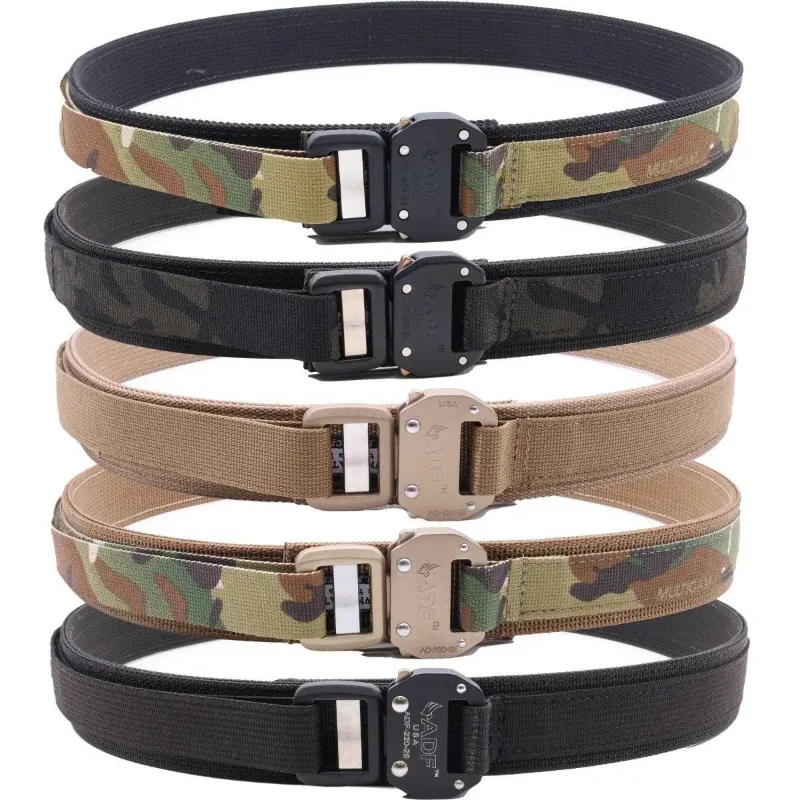
A tactical belt can work for concealed carry, but it is not automatically the best choice for every carrier. For most people, the right pick comes down to pistol weight, holster design, clothing, and whether you need discreet everyday wear or more load-bearing support from a gun belt, edc belt, or tactical belt.
If you are carrying something light like a glock 43x or lcp, you can usually get away with a slimmer setup than you would for a glock 29. The belt matters just as much as the holster, especially if you are pairing your pistol with kydex holsters and checking the latest price or code before you buy.
Gun belt vs EDC belt vs tactical belt
These three categories overlap, but they are not identical.
| Belt type | Best for | Tradeoff |
|---|---|---|
| Gun belt | Consistent holster support for concealed carry | Can feel stiffer than a casual belt |
| EDC belt | Daily comfort with enough structure for lighter carry | May struggle with heavier pistols or extra gear |
| Tactical belt | Higher support, modular use, range or training setups | Often bulkier and less discreet under normal clothes |
A true gun belt is usually the safest middle ground for concealed carry. It is built to resist sag and twisting without forcing you into a duty-style setup. An EDC belt often makes more sense if you carry a smaller pistol, want a cleaner look, and spend most of your day sitting, driving, or moving between office and casual settings.
A tactical belt starts to make more sense when your carry setup gets heavier or more specialized. Think spare mags, medical gear, range classes, or a larger handgun. That is why the broad market for Tactical Belts | Duty, EDC & Battle Belts includes everything from low-profile everyday options to more overt duty-style designs.
What matters most for concealed carry support
For concealed carry, stiffness is useful, but too much of it can create new problems. The best belt is the one that keeps your holster stable without making the whole waistband uncomfortable.
Look for these traits first:
- Enough rigidity to keep the grip from tipping away from your body
- A buckle that does not create a large bulge at the front
- Belt width that matches your holster clips or loops
- Materials that stay consistent through long days, heat, and movement
- Easy adjustment for sitting, standing, and driving
This is where many shoppers get lost in keywords like best tactical belt, tactical belt velcro, or tactical belt leather. Those features only matter if they help your actual concealed carry use. For example, a large hook-and-loop or duty buckle system can be excellent on the range, but it may feel like overkill for appendix carry with a compact pistol.
Match the belt to your pistol and holster
Your pistol weight changes the equation fast. A glock 43x or lcp is much easier to support than a glock 29, and that means belt choice should follow the gun, not just the marketing label.
| Carry setup | What usually works best | Why |
|---|---|---|
| Light pistol like glock 43x or lcp | EDC belt or lighter gun belt | Less weight means less need for extreme stiffness |
| Mid-size setup with spare mag | Gun belt | Better balance of support and comfort |
| Heavier pistol like glock 29 | Stiffer gun belt or tactical-style option | Helps reduce sag, roll, and shifting |
| Holster with aggressive clips | Match belt thickness and width carefully | Poor fit can cause movement even with a strong belt |
Holster style matters too. If you use a compact appendix rig, a supportive belt with the right amount of flex often conceals better than the stiffest option on the shelf. If you use stronger attachment hardware like ulticlip or dedicated belt clips, the belt still needs to provide a stable base.
Rounded Gear shoppers often pair these belts with purpose-built holsters such as the kel tec p32 holster or fn 509c holster, and that is the right way to think about it. Buy the belt as part of the carry system, not as a separate fashion item.
When a tactical belt makes sense and when it does not
A tactical belt is usually the better choice when you need more than simple concealed carry.
It makes sense if you:
- Train often at the range
- Carry a heavier handgun regularly
- Want room for pouches or support gear
- Prefer very firm belt structure
- Use the same setup for classes, outdoor work, or preparedness
It makes less sense if you:
- Need the most discreet look under untucked shirts
- Wear business-casual clothing most days
- Carry a lighter pistol with a minimal holster
- Want the smallest buckle and least visual bulk
This is also where people confuse concealed carry gear with overt duty or battle setups. Searches like tactical belt military, tactical belt police, military tactical belt with pouches, or tactical belt with leg strap point to a different use case than most civilian concealed carriers need. Designs inspired by Combat Belts - Ronin Senshi, Task Force & Shuto Belts are excellent for load-bearing roles, but many are more belt than the average concealed carrier really needs.
Sizing, materials, and comfort details that actually matter
A belt that is technically strong but poorly sized will still carry badly. For concealed carry, adjustability matters almost as much as stiffness because your waist changes through the day when you sit, move, or add the holster.
Keep these points in mind:
- Measure with your holster in place, not just your pants size
- Leave enough adjustment range for seasonal clothing changes
- Check that buckle placement does not interfere with appendix carry
- Make sure your belt clips or loops fit the belt width correctly
- If you carry inside the waistband, avoid unnecessary thickness if comfort is already tight
Material choice matters too. Nylon and reinforced synthetic designs dominate the tactical belt and EDC space because they adjust easily and handle sweat well. Leather can still work, but many standard fashion belts are too soft for reliable concealed carry. If you are comparing options and want to grab the code, focus on support, buckle profile, and real holster compatibility before anything else.
Our practical recommendation for most carriers
Most concealed carriers should start with a solid gun belt or EDC belt, then move to a tactical-style option only if their pistol, holster, or training needs justify it. That approach gives you better comfort, easier concealment, and fewer wardrobe compromises.
If your setup is light and simple, start lower-profile. If you carry a heavier pistol, run a rigid Kydex rig, or want a crossover belt for range use, the tactical route can be worth it. Either way, the goal is the same: keep the holster planted, the draw consistent, and the gun close to the body.
Before you buy, compare the belt to the pistol and holster you actually carry, not the one you might carry someday. That is the quickest way to avoid overspending on features you do not need, and it is also why we recommend checking current pricing and our Rounded Gear code right before you order.
Frequently asked questions
Do I need a tactical belt for concealed carry?
Not always. Many concealed carriers do better with a lower-profile gun belt or EDC belt, especially when they want normal everyday styling and enough stiffness for a holster.
What is the difference between a gun belt and an EDC belt?
A gun belt is usually built first for supporting a holster and handgun weight. An EDC belt may still be supportive, but it is often tuned for all-day comfort, lighter loads, and a more casual look.
Will a tactical belt print more under a shirt?
It can, depending on the buckle size, belt thickness, and the holster clips you use. Bulkier hardware is more likely to show through fitted clothing than a slimmer belt and clip setup.
Can I carry a Glock 43X or Glock 29 on the same belt?
Maybe, but the lighter Glock 43X is easier for most belts to manage than the heavier Glock 29. As pistol weight goes up, belt stiffness and holster stability matter more.
Does an UltiClip replace the need for a better belt?
No. UltiClip can improve how a holster anchors to clothing, but it does not change the fact that a heavier handgun still benefits from a supportive belt.