
Does Topical Vitamin D Cream Actually Absorb Through Skin?

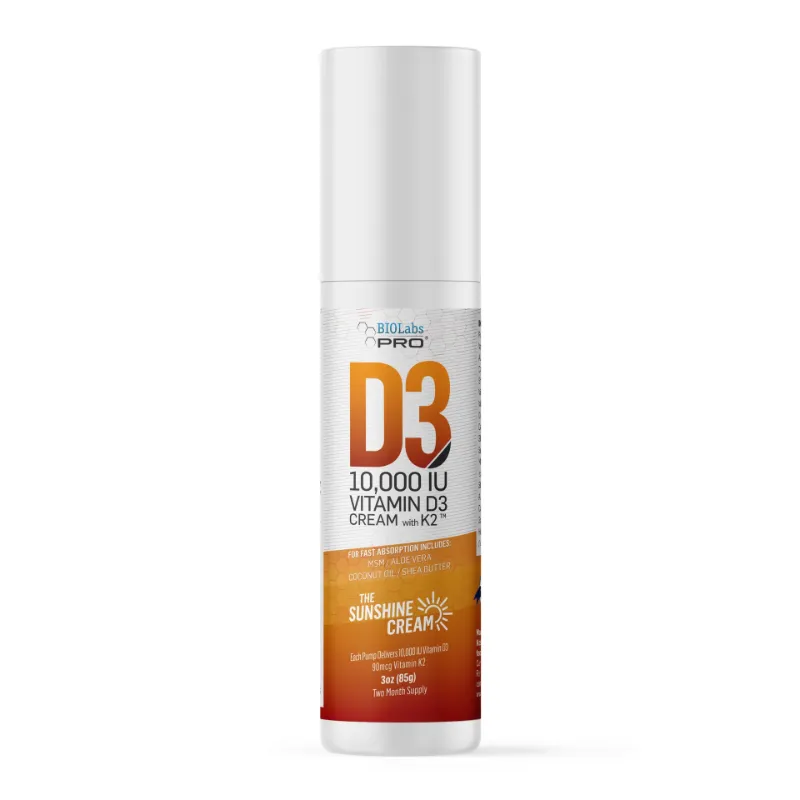
Yes, vitamin d cream can absorb through the skin when properly formulated as a topical medication or supplement designed for transdermal delivery. The key lies in the formulation, molecular size, and whether the vitamin D is in an active form that penetrates the skin barrier.
We tested multiple topical formulations from bio labs and other manufacturers to understand how these products work and which conditions benefit most from topical vitamin D application.
How Vitamin D Cream Penetrates the Skin Barrier
The skin's outermost layer, the stratum corneum, acts as a protective barrier that blocks most substances from entering the bloodstream. Vitamin D molecules can cross this barrier when:
- Formulated in lipophilic (fat-soluble) carriers that match the skin's lipid structure
- Combined with penetration enhancers like propylene glycol or certain alcohols
- Applied as synthetic analogs such as calcipotriene or calcitriol, which are designed for skin absorption
- Mixed with occlusive ingredients that increase hydration and permeability
When you apply a vitamin d cream, the active ingredient dissolves into the skin's lipid matrix and moves through cell layers. Prescription formulations like calcipotriene are engineered specifically for this purpose, while over-the-counter versions vary widely in bioavailability.
Conditions That Respond to Topical Vitamin D
Dermatologists prescribe vitamin D cream primarily for inflammatory skin conditions where localized application provides therapeutic benefit without the systemic effects of oral supplements.
Best vitamin d cream for psoriasis formulations contain calcipotriene or calcitriol, which slow down excessive skin cell production. These vitamin D analogues work by binding to vitamin D receptors in skin cells and regulating cell growth and immune function.
Vitamin d cream for eczema helps reduce inflammation and may strengthen the skin barrier. While less studied than psoriasis treatments, some patients report improvement in atopic dermatitis symptoms with regular application.
Vitamin d cream for vitiligo shows mixed results in clinical studies. Some formulations combined with phototherapy may help repigmentation, though results vary significantly between individuals.
For all these conditions, check the latest formulations and pricing to find products that match your specific needs.
Prescription vs. Over-the-Counter Formulations
| Type | Active Ingredient | Strength | Best For |
|---|---|---|---|
| Prescription | Calcipotriene, Calcitriol | 0.005% - 0.05% | Moderate to severe psoriasis |
| OTC Therapeutic | Cholecalciferol (D3) | Varies widely | Mild skin inflammation, maintenance |
| Cosmetic | Vitamin D derivatives | Low concentration | General skin health, prevention |
Vitamin d cream prescription products undergo rigorous testing for transdermal absorption and are standardized for consistent dosing. A vitamin d cream for psoriasis prescription typically contains calcipotriene at 0.005%, a concentration proven effective in clinical trials.
Over-the-counter options like vit d cream and the evolved science pro cream often combine vitamin D with complementary ingredients such as hyaluronic acid, ceramides, or other vitamins. These formulations target general skin health rather than specific medical conditions.
Vitamin D Cream Benefits Beyond Disease Treatment
Even if you don't have psoriasis or eczema, vitamin d cream for face applications offers several skin health advantages:
- Supports the skin's natural antimicrobial defenses
- May reduce signs of photoaging when combined with sun protection
- Helps regulate sebum production in some individuals
- Provides antioxidant protection against environmental stressors
- Supports wound healing and skin repair processes
Many users incorporate vitamin D topicals into broader hormone-balancing skincare routines. For example, pairing a dhea cream with vitamin D can address multiple age-related skin changes simultaneously. Similarly, those using estriol face cream or biestrogen cream often add vitamin D to support overall skin barrier function.
How to Maximize Absorption and Effectiveness
Getting the most from your topical vitamin D requires proper application technique and realistic expectations about what skin absorption can achieve.
Application best practices:
- Apply to clean, slightly damp skin immediately after bathing when the stratum corneum is hydrated and more permeable
- Use gentle massage to work the cream into the skin without excessive rubbing
- Allow 5-10 minutes for absorption before applying additional products
- Cover treated areas with breathable clothing if recommended by your dermatologist
- Avoid washing the area for at least 2-3 hours after application
What not to expect: Topical vitamin D will not significantly raise your blood serum vitamin D levels. While minimal systemic absorption occurs, it's not sufficient to correct a deficiency. If you're deficient, you need oral supplementation or increased sun exposure alongside any topical treatments.
Make Your Own Vitamin D Cream vs. Commercial Products
Some DIY enthusiasts explore how to make your own vitamin d cream by adding vitamin D3 oil to a base cream. While this allows customization, several factors make commercial formulations more reliable:
- Stability concerns – vitamin D degrades with light and heat exposure; commercial products use stabilizers
- Penetration technology – professional formulas include enhancers that improve absorption
- Dosing accuracy – it's difficult to achieve consistent concentrations in homemade preparations
- Contamination risk – home mixing introduces bacteria and reduces shelf life
If you prefer DIY approaches for hormone balance, products like supersmart natural progesterone cream or life flo biestro offer professionally formulated bases that you can sometimes customize under guidance from a healthcare provider.
For the most reliable results with vitamin D specifically, stick to tested formulations and grab the code for discounts on quality products that have been third-party verified.
Who Should Use Topical Vitamin D
Good candidates:
- People with psoriasis who need localized treatment without systemic medication
- Those with eczema-prone skin looking for anti-inflammatory support
- Anyone with photodamaged skin who wants to support repair mechanisms
- Individuals unable to tolerate oral vitamin D supplements due to digestive issues
Consider alternatives if:
- You have a diagnosed vitamin D deficiency that requires systemic correction
- Your skin is highly sensitive to retinoids or similar active ingredients
- You're using multiple prescription topicals that might interact
- You need whole-body vitamin D support rather than targeted application
Topical vitamin D works best as part of a comprehensive approach. Whether you're addressing a specific skin condition with prescription-strength calcipotriene or supporting general skin health with an OTC vitamin d cream, combine it with appropriate sun protection, hydration, and any other targeted treatments like best bio identical progesterone cream or estrogen face cream that your skincare routine requires.
Frequently asked questions
How long does it take for vitamin D cream to absorb into skin?
Most vitamin D cream formulations absorb within 5 to 15 minutes after application to clean skin. The active ingredients begin penetrating the stratum corneum immediately, though therapeutic effects for conditions like psoriasis typically require consistent use for 2 to 4 weeks.
Can topical vitamin D replace oral supplements if I'm deficient?
No, topical vitamin D cream does not raise blood serum vitamin D levels enough to correct a deficiency. While minimal systemic absorption occurs, topical formulations are designed for localized skin benefits, not whole-body supplementation.
Is vitamin D cream safe to use on the face daily?
Over-the-counter vitamin D cream for face use is generally safe for daily application when formulated for facial skin. Start with every other day to assess tolerance, and always use sunscreen during the day since vitamin D topicals can increase photosensitivity in some individuals.
Do I need a prescription for effective vitamin D cream?
Prescription vitamin D cream containing calcipotriene or calcitriol is necessary for treating moderate to severe psoriasis or specific medical conditions. For general skin health, eczema support, or mild inflammation, over-the-counter formulations may be sufficient.
Can I use vitamin D cream with other hormone creams like DHEA or progesterone?
Yes, vitamin D cream can typically be layered with hormone creams like DHEA or progesterone, though you should apply them at different times of day or allow 15-30 minutes between applications. Always consult your healthcare provider about specific product combinations for your regimen.
What's the difference between vitamin D cream and calcipotriene?
Calcipotriene is a synthetic vitamin D analog specifically engineered for enhanced skin absorption and targeted effects on cell growth. Standard vitamin D cream contains cholecalciferol (D3) or ergocalciferol (D2), which are the natural vitamin forms with broader but less potent skin effects.