
How to Choose the Right Transom Saver for Your Boat Trailer Setup

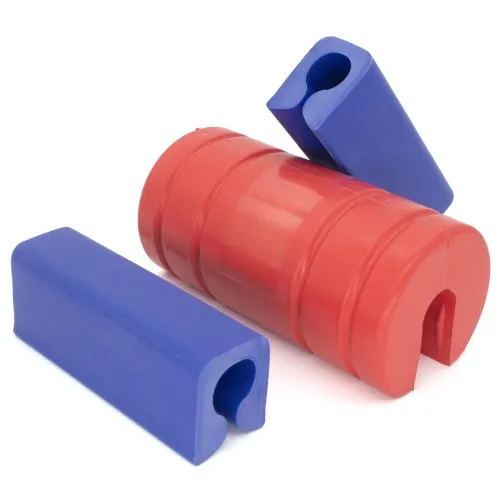
A transom saver should match your trailer height, outboard weight, and the way your motor is supported in transit, so the right pick is the one that keeps load off the boat transom without forcing the engine into an awkward angle. If you are towing with a yamaha outboard, honda outboards, or another modern outboard, start with fit and support geometry first, then check the latest price instead of guessing from old listings.
How a transom saver protects your trailer setup
A trailer-mounted support can reduce bounce and shock while you are towing, especially on rough roads, steep ramps, and long trips. The goal is simple: support the lower unit and limit harsh movement so the boat, trailer, and engine are not taking repeated hits.
That matters most when your setup includes:
- heavier outboards such as yamaha outboard motors or larger Honda models
- older trailers with worn boat trailer rollers
- engines that already need attention, such as loose brackets or tired bushings
- owners replacing worn transom saver parts, rubber ends, or a cracked transom saver plate
If you are unsure whether your rig benefits from one, Who Needs A Transom Saver gives a useful background on when extra support helps and when motor design changes affect the decision.
What to measure before you buy
Before you buy a transom saver, measure the setup you actually tow with, not the boat parked on level concrete with the motor trimmed differently.
Check these points:
- Distance from trailer crossmember or roller area to the lower unit
- Engine trim position during towing
- Height difference between trailer contact point and motor support point
- Clearance around skeg, prop, and steering parts
- Type of trailer support already installed
A poor fit usually shows up in one of three ways:
- The support is too short and forces the motor too low.
- The support is too long and does not seat securely.
- The contact points slip because the rubber end, bracket shape, or trailer contact area does not match.
If your trailer hardware is tired, replace worn rollers before blaming the saver alone. Flat-spotted or loose boat trailer rollers can change how the whole rig sits and make sizing less reliable.
Best transom saver styles for different boats and motors
Not every support style suits every rig. Some owners prefer a classic trailer-to-lower-unit design, while others look at alternatives such as a motor mate transom saver style that braces directly around the engine support points.
| Style | Best for | Watch for |
|---|---|---|
| Trailer-mounted bar | Common trailer setups and mixed towing conditions | Correct length and secure trailer contact point |
| Engine-braced style | Modern outboards with compatible mounting points | Must match the engine design exactly |
| Wedge or trim support | Short-term support while stored or serviced | Not always a full towing substitute |
A classic trailer-mounted support is often the easiest match for mixed fleets, especially if you run a Yamaha, Suzuki, or Honda and want a simple, adjustable solution. If you are comparing designs, Moto-Stop Transom Savers is worth reviewing to understand how engine-braced systems differ from traditional bars.
The best transom saver for your boat is usually the one that:
- keeps the engine in a natural tow angle
- has durable contact surfaces and solid adjustment
- fits your trailer without improvised spacers
- does not interfere with steering or trim components
Match the support to your outboard and trailer hardware
Your engine brand matters less than the actual dimensions and mounting layout, but product family still affects what works cleanly.
For example:
- A mid-size yamaha outboard may sit differently on the trailer than larger honda outboards.
- Owners shopping suzuki outboard engine parts should also inspect the mounting and tilt areas for wear if the motor has been bouncing in transit.
- Older carbureted engines may need broader maintenance checks, including an electric fuel pump or carburetor rebuild kit, if rough towing has highlighted existing issues rather than caused them.
Also look at the rest of the trailer and boat hardware:
- worn bunks or rollers change support angles
- weak tie-down habits let the hull move independently of the trailer
- dry pivot points benefit from marine grease
- loose accessory fitment can create noise that owners mistake for engine movement
If you are buying several maintenance items at once, this is a good time to grab the code rather than ordering piece by piece.
Materials, wear points, and replacement parts
A support only works well if the wear surfaces are still doing their job. Many towing complaints come from old rubber ends, bent tubing, sloppy pins, or corroded hardware.
Inspect these areas regularly:
- transom saver rubber for splitting, hardening, or slipping
- adjustment holes and pins for oval wear
- metal tubing for bends or rust
- lower-unit contact point for scuffing or unstable seating
- trailer bracket or roller area for movement under load
If you are also refreshing the boat for the season, it makes sense to handle small but visible items at the same time, such as boat registration numbers or a boat rego number, so the whole trailer package is road and ramp ready.
For lubrication, use marine-specific products where needed. A light service with marine grease on the right trailer points can reduce chatter and wear, though you should keep grease away from any contact area that needs friction to stay planted.
Common setup mistakes to avoid
The wrong support is often not a bad product. It is usually a setup error.
Avoid these common problems:
- Over-trimming the motor so the support carries load at a strange angle
- Using a damaged wedge as a permanent towing fix when a proper support is needed
- Ignoring trailer condition even though rollers, mounts, and tie-downs are part of the system
- Leaving worn parts in place because the bar still looks usable from a distance
- Buying by brand name alone instead of checking actual fitment
If you are replacing several outboard service items too, group the job logically. For instance, owners ordering yamaha outboard parts, suzuki outboard engine parts, an electric fuel pump, or a carburetor rebuild kit should sort towing support separately from engine repair so it is clear what problem each part solves.
Who this setup suits most
This kind of support makes the most sense for owners who:
- tow long distances
- use rough regional roads
- run heavier outboards
- want less movement at the back of the boat during transit
- are already restoring trailer hardware and engine support components
If your trailer, motor trim angle, and support length all line up well, a properly chosen unit is a practical upgrade, not a gimmick. For current availability, bundle options, or the latest store deal, check the latest price before you buy.
In short, choose by measured fit, trailer geometry, and engine support angle first, then compare design style and replacement parts. That approach will get you closer to a reliable towing setup than chasing whichever model gets called the latest transom saver academy favorite online.
Frequently asked questions
How do I know what size transom saver I need?
Measure the distance between the trailer contact point and the lower unit in your normal towing position, then check that the support holds the motor at a stable angle without forcing it too high or low.
Does every yamaha outboard need a transom saver?
Not always. Some modern motors work well with engine-braced alternatives, while many trailer setups still benefit from a traditional support, especially on rough roads or longer trips.
When should I replace transom saver parts?
Look for cracked rubber ends, bent tubing, loose pins, corrosion, or a contact point that slips under load. If the support no longer sits securely, replace the worn parts or the whole unit.
Can boat trailer rollers affect how a transom saver fits?
It can, if the trailer geometry and towing angle are correct, but older or worn rollers may need replacement first so the support sits consistently.
Should I use marine grease on my trailer and support hardware?
Use marine-grade lubricant on the trailer points that need it, but do not grease the actual support contact surfaces if that would make them slip. The goal is smoother hardware, not a moving contact point.