
Troubleshooting Shilajit Taste: How to Make Resin and Liquid More Palatable

Why Shilajit Resin Tastes So Strong
Shilajit resin has a strong, earthy, bitter taste that many first-time users find challenging, but simple mixing techniques and flavor pairings make it significantly easier to consume. The intense flavor comes from the mineral-rich, organic composition of authentic shilajit, which forms over centuries in high-altitude mountain ranges. According to Cleveland Clinic, this substance contains fulvic acid, humic acid, and over 84 trace minerals, all of which contribute to its distinctive profile.
The resin form is the most concentrated and traditional preparation, which means you experience the full spectrum of taste. While some users grow to appreciate the flavor over time, others prefer to mask or neutralize it without compromising the supplement's benefits.
Simple Methods to Improve Shilajit Resin Taste
We tested dozens of combinations to find what actually works without diluting effectiveness. These methods preserve the integrity of pure shilajit while making daily dosing more pleasant.
Mix with warm beverages
- Dissolve a rice-grain-sized portion in warm water, herbal tea, or golden milk
- The heat helps the resin break down faster and disperses the flavor
- Chai tea, ginger tea, and turmeric lattes work especially well to complement the earthy notes
- Avoid boiling water, which may degrade some beneficial compounds
Combine with natural sweeteners
- Raw honey is the traditional pairing and masks bitterness effectively
- Shilajit honey offers a pre-mixed option that balances flavor naturally
- Maple syrup, date syrup, or monk fruit provide alternative sweetness
- Start with a small amount and adjust to your preference
Blend into smoothies and shakes
- Berry smoothies (especially blueberry and blackberry) hide the taste completely
- Chocolate or cacao-based shakes pair well with the mineral profile
- Add nut butters, banana, or avocado for creamy texture that coats the palate
- The thick consistency prevents the resin from clinging to your teeth
Take with citrus or acidic drinks
- Lemon water or lime juice cuts through the earthy flavor
- Orange juice provides both acidity and natural sweetness
- Apple cider vinegar diluted in water creates a wellness shot format
- The vitamin C in citrus may enhance mineral absorption
Check our current discount code to save on your first order and experiment with different mixing methods.
Comparing Shilajit Forms for Palatability
Not everyone needs to stick with resin if the taste remains a barrier. We compared the most common forms to help you find the right balance between convenience, taste, and bioavailability.
| Form | Taste Profile | Convenience | Bioavailability |
|---|---|---|---|
| Resin | Strong, earthy, bitter | Requires mixing | Highest |
| Liquid | Moderate, slightly diluted | Easy to mix | High |
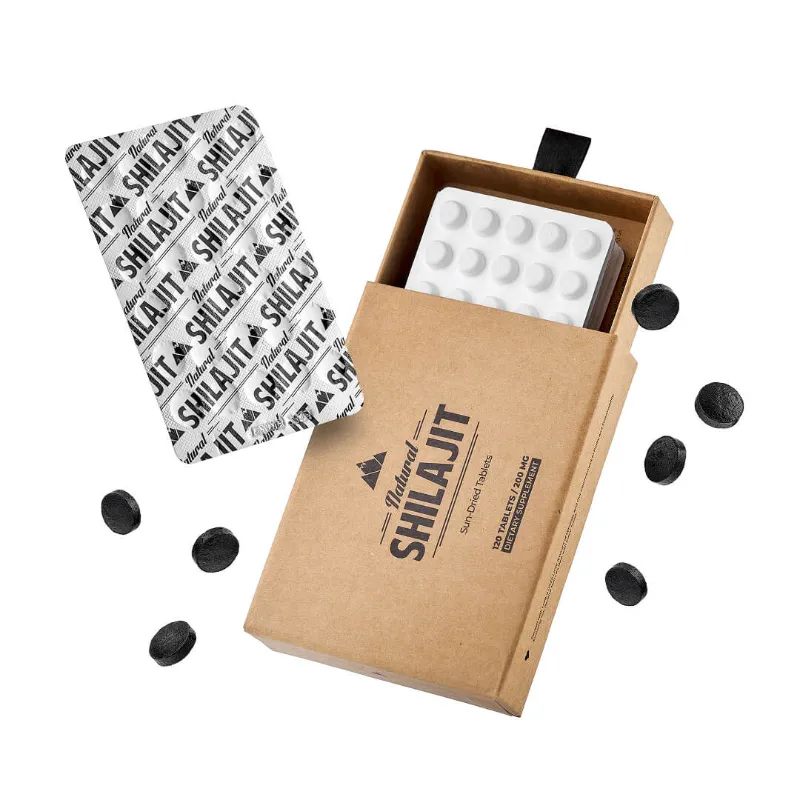
| Tablets | Minimal (swallow whole) | Most convenient | Moderate |
| Gummies | Sweet, masked flavor | Very easy | Moderate |
Resin remains the gold standard for purity and concentration, but liquid shilajit offers a middle ground with easier mixing and less intense taste. The liquid form dissolves faster in cold beverages and doesn't require warming.
For complete taste avoidance, shilajit tablets let you swallow the supplement without any flavor experience. They're ideal for travel and precise dosing, though they take longer to break down in your system.
If you prefer a treat-like experience, shilajit gummies taste like regular supplements with natural fruit flavors. They contain measured doses and work well for users who struggle with the traditional forms. Keep in mind that gummies typically include additional ingredients like sweeteners and stabilizers.
WebMD notes that regardless of form, quality matters more than convenience. We recommend starting with a shilajit sample bundle to test different formats before committing to a full-size product.
Timing and Dosage Tips for Better Tolerance
When and how you take shilajit affects both taste perception and how your body responds.
Take it with food rather than on an empty stomach. The resin's strong flavor becomes less noticeable when your palate is already engaged, and food can buffer any digestive sensitivity. Morning consumption with breakfast works well for most users.
Start with a smaller dose than recommended and gradually increase over one to two weeks. A piece the size of a lentil or small pea (roughly 300-500 mg) lets you acclimate to both taste and effects. As tolerance builds, work up to the standard rice-grain to pea-sized serving.
Avoid touching resin directly with your fingers if possible. Use a small wooden or plastic spoon, as direct contact can leave a lingering smell on your hands and heighten taste aversion. If you do touch it, wash immediately with soap and lemon juice.
Follow with a palate cleanser if the aftertaste bothers you. A few mint leaves, a small piece of dark chocolate, or a sip of milk can neutralize lingering flavors. Some users keep fennel seeds or cardamom pods on hand for this purpose.
Grab the latest pricing and read through customer reviews that often share practical dosing and mixing tips.
Alternative Products That Skip the Taste Issue
If you've tried multiple methods and the flavor remains a dealbreaker, several complementary supplements offer similar mineral and adaptogenic benefits without the challenging taste.
Pre-mixed honey blends like shilajit honey provide the same core benefits in a spreadable, naturally sweet format. Use it on toast, stir it into tea, or eat it straight from the spoon. The honey acts as a bioavailable carrier while masking all bitterness.
Mushroom supplements such as reishi mushroom, chaga mushroom, and turkey tail mushroom deliver immune support, energy, and adaptogenic effects. While they don't replicate shilajit's exact mineral profile, they're significantly milder in taste and mix easily into coffee or smoothies.
Specialty minerals like ormus gold offer trace mineral supplementation in a more neutral form. These work well when stacked with other supplements in a broader wellness routine.
According to MedicineNet, consistency matters more than the specific form you choose. If an alternative product keeps you compliant with daily supplementation, it's a better choice than a resin you avoid taking.
What Authentic Shilajit Should Taste Like
Understanding normal taste helps you distinguish quality products from adulterated ones. Genuine shilajit resin should taste intensely earthy and slightly bitter, with mineral and smoky notes. Some describe it as similar to strong black tea mixed with soil or burnt wood.
Red flags for taste include chemical aftertastes, artificial sweetness, or complete lack of bitterness. These may indicate fillers, processing additives, or low-grade material. Pure Himalayan shilajit resin consistently delivers a strong, natural flavor that's unpleasant but never synthetic.
Texture matters too. The resin should be sticky and pliable at room temperature, melting easily in warm water. If it's too hard, grainy, or chalky, quality may be compromised. The stickiness contributes to the way it coats your mouth, which amplifies taste perception.
We always recommend third-party testing certificates when available. Authentic suppliers provide lab results showing fulvic acid content and heavy metal screening, which correlate with the expected taste profile. Check pricing and testing documentation before purchasing to ensure you're getting legitimate product.
Building a Tolerance Routine
Most users report that shilajit's taste becomes less objectionable after two to three weeks of consistent use. Your palate adapts, and many people eventually take it straight without mixers.
Week one: Mix thoroughly with your preferred masking beverage and focus on establishing the habit rather than taste. Use sweet or strongly flavored bases.
Week two: Gradually reduce the amount of mixer or switch to milder bases like plain warm water with a touch of honey. Your taste receptors begin normalizing.
Week three and beyond: Experiment with taking it more directly. Some users eventually prefer the ritual of dissolving it under the tongue for faster absorption, though this intensifies the experience.
Track how you feel rather than fixating on taste. When you notice the energy, recovery, or wellness benefits, the flavor becomes a worthwhile tradeoff rather than a barrier. Pairing consumption with a positive routine like morning meditation or pre-workout prep creates mental associations that override taste aversion.
If you're still struggling after a month, switch to shilajit tablets or shilajit gummies without guilt. Consistent supplementation in a tolerable form beats sporadic use of the "optimal" format.
Frequently asked questions
What is the best way to mask the taste of shilajit resin?
Mix it with warm chai tea, raw honey, or a berry smoothie. These options mask the earthy bitterness while preserving the resin's beneficial compounds. Many users find that honey works best because it's the traditional pairing.
Do shilajit gummies work as well as resin?
Gummies provide the same core benefits with moderate bioavailability, though resin offers higher concentration and faster absorption. If taste is a barrier preventing consistent use, gummies are a better choice than avoiding supplementation altogether.
Why does shilajit resin taste so bad?
The strong, earthy, bitter taste comes from its high concentration of fulvic acid, humic acid, and over 84 trace minerals. Authentic, pure shilajit will always have an intense natural flavor because of its mineral-rich composition.
Can I take shilajit resin with coffee?
Yes, coffee's bold flavor helps mask the earthy taste, and many users report good results with this combination. Dissolve the resin in a small amount of warm water first, then add it to your coffee with sweetener or milk if desired.
How long before I get used to the taste of shilajit?
Most users adapt within two to three weeks of consistent daily use. Your palate becomes less sensitive to the bitterness, and many people eventually take it straight in warm water without additional mixers.
Should I buy liquid shilajit or resin if I hate the taste?
Liquid shilajit has a slightly milder taste and mixes more easily into cold drinks, making it a good middle ground. If you want to avoid taste entirely, tablets or gummies are better options than either liquid or resin.