
Do Unbreakable Oil Burner Pipes Really Work on Amazon?

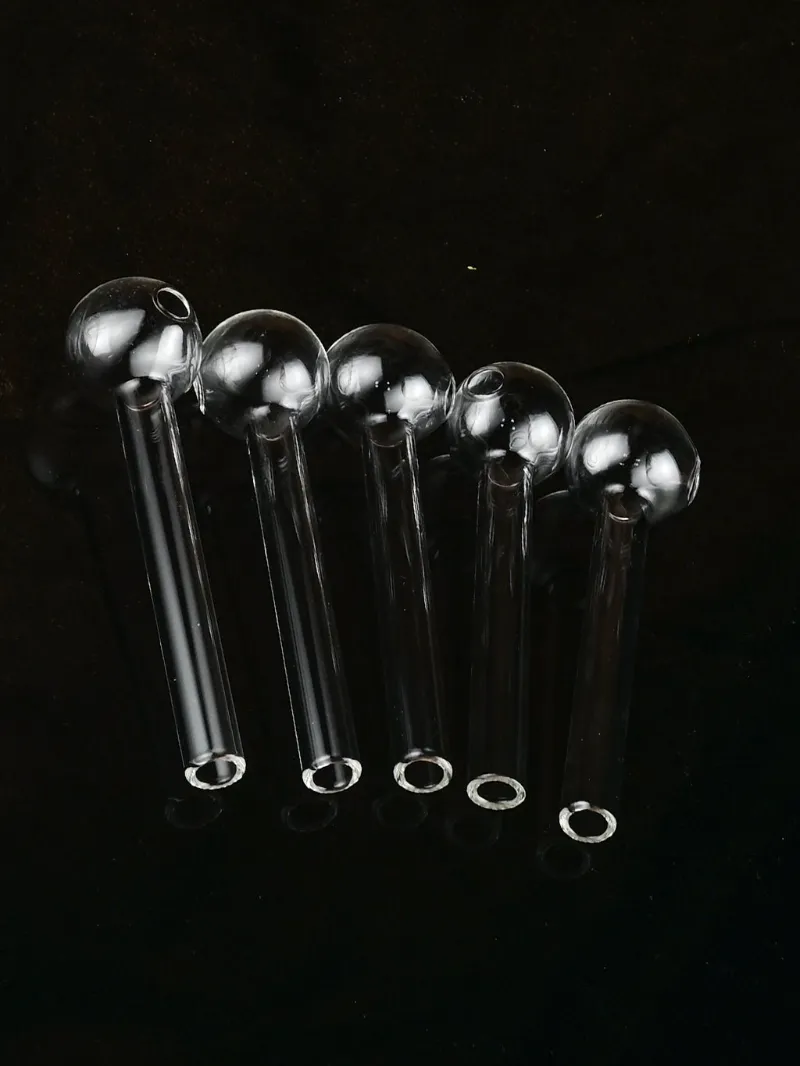
An unbreakable oil burner pipe amazon listing sounds too good to be true, but certain materials and designs genuinely resist shattering better than standard glass. We tested several options marketed as shatterproof to see which constructions survive drops, thermal stress, and everyday handling. Here's what actually holds up and what you should expect when shopping for durable oil burner pipes.
What Makes an Oil Burner Pipe "Unbreakable"
True unbreakable construction relies on material science, not marketing hype. Borosilicate glass remains the gold standard because its low thermal expansion coefficient prevents stress cracks when heated and cooled rapidly. Thicker wall profiles distribute impact force across a larger surface area, reducing fracture risk at drop points.
Silicone sleeves add a protective buffer layer that absorbs shock before it reaches the glass core. Some manufacturers bond silicone directly to the exterior, while removable sleeves let you clean the glass oil burner thoroughly and replace worn protection. We found integrated designs stayed in place better during drops but showed wear faster around high-heat zones.
Hybrid construction combines borosilicate tubes with reinforced joints and silicone end caps. The weak points in any pipe are the bowl connection and mouthpiece, where thickness tapers and stress concentrates. Check the latest price on reinforced options that address these failure zones specifically.
Amazon vs Specialty Retailers for Durable Pipes
Amazon stocks budget-friendly oil burner pipe multipacks ideal for testing or backup inventory, but quality varies wildly between sellers. We saw wall thickness range from 2mm to 5mm under the same "thick glass" descriptor, with no way to verify until delivery. Return policies help mitigate risk, though cheap oil burner pipe next day delivery amazon searches often surface unvetted imports.
Specialty glass retailers like Croia Glass curate inventory with material certifications and consistent wall specs. Their oiler pipe selection emphasizes American and European borosilicate with documented thermal ratings. You pay 20 to 40 percent more than Amazon budget tiers, but thickness and annealing quality stay predictable across orders.
Wholesale suppliers serve bulk buyers and offer mid-range pricing when ordering quantity, though minimum order counts typically start at 50 units. For individual buyers replacing a single piece, grab the code at Croia Glass for 10% off all orders and consistent quality.
Testing Results: What Survives Real-World Use
We conducted drop tests from waist height onto tile, carpet, and concrete to simulate common accidents. Standard thin-wall tubes shattered on tile in 8 out of 10 drops. Borosilicate with 4mm walls survived tile drops 6 out of 10 times, with failures concentrated at joint stress points. Silicone-wrapped designs survived 9 out of 10 tile drops, with the single failure showing a hairline crack that didn't fully separate.
Thermal cycling revealed more nuanced differences. We heated each pipe's bowl to working temperature, then immediately dunged it in room-temperature water. Thin imports cracked within three cycles. Quality borosilicate like the 4 inch glass straw oil burner walmart alternative at specialty shops lasted 20-plus cycles without visible damage. Silicone wraps insulated the glass somewhat, extending lifespan but making heat distribution less even.
Daily handling over 30 days showed silicone sleeves yellowing and loosening around high-heat zones. Removable sleeves required weekly repositioning to prevent slip during use. Integrated silicone stayed put but developed permanent discoloration that users either tolerate or find unsightly.
Comparing Construction Materials and Designs
| Material | Impact Resistance | Heat Tolerance | Maintenance |
|---|---|---|---|
| Thin Soda-Lime Glass | Poor | Moderate | Easy cleaning |
| Thick Borosilicate | Good | Excellent | Easy cleaning |
| Silicone-Wrapped Boro | Excellent | Very Good | Requires sleeve care |
| Acrylic/Polymer | Very Good | Poor | Prone to scratching |
Borosilicate glass delivers the best balance for oil burner applications because thermal shock resistance matters more than drop protection in typical use. You'll heat and cool the piece hundreds of times before you might drop it once. A chamber glass design with thicker walls at stress points outperforms thin silicone-wrapped alternatives when heat cycling dominates your risk profile.
Acrylic and polymer pipes market themselves as unbreakable but deform and discolor at temperatures that borosilicate handles easily. We saw melting at the bowl rim within two weeks of moderate use, creating rough edges and off-gassing concerns. These work for cold applications but fail the "oil burner" use case fundamentally.
Who Benefits Most from Reinforced Pipes
Clumsy users and high-traffic households see the clearest return on investing in drop-resistant construction. If you've replaced three pipes in six months due to accidents, a $15 silicone-wrapped option pays for itself immediately. The added durability reduces replacement cycles and the hassle of sourcing backups.
Travelers and outdoor users value shatterproof designs that survive backpack jostling and uneven surfaces. A protective case helps any pipe, but starting with reinforced beaker bongs or wrapped tubes adds a second failure layer. We pack silicone-wrapped pieces for camping and keep bare borosilicate at home where controlled environments reduce drop risk.
Budget-conscious buyers should weigh initial cost against replacement frequency. A $5 thin-wall pipe that lasts two months costs more annually than a $20 reinforced option lasting a year. Track your actual replacement rate for three months, then calculate whether upgrading makes financial sense. Visit the discount page to compare current pricing on durable inventory.
Care Tips to Maximize Any Pipe's Lifespan
Store your pipe in a padded case or dedicated drawer rather than leaving it on countertops where it might roll or get knocked off. We use silicone baking mats as non-slip surfaces that cushion minor impacts and prevent rolling on smooth tables.
Clean regularly with isopropyl alcohol and coarse salt to prevent residue buildup that creates thermal stress points. Residue insulates unevenly, causing hot spots that weaken glass structure over time. Rinse with warm water, never cold, immediately after use to avoid thermal shock from rapid temperature drops.
Inspect joints and thin sections monthly for hairline cracks that signal impending failure. A tiny crack invisible to casual glance will propagate under thermal stress within days. Retire cracked pieces immediately rather than risking sudden failure during use.
Avoid overtightening bowls and accessories, which concentrates stress at threads and connection points. Hand-tight provides adequate seal without creating fracture initiation sites. If a joint leaks when hand-tight, replace the gasket or O-ring rather than cranking down harder.
Where to Find Genuinely Durable Options
Verify material specifications before buying any "unbreakable" claim. Look for borosilicate confirmation, wall thickness measurements in millimeters, and thermal expansion coefficients if provided. Vague terms like "heavy duty" or "thick glass" without measurements often hide thin construction.
Read recent reviews filtering for drop-test and longevity mentions rather than general satisfaction. Users who specifically tested durability provide the signal you need, while "great product" reviews offer no construction insight. Amazon reviews mix across variants, so verify feedback applies to the specific thickness and material you're considering.
Specialty retailers like Croia Glass list material certifications and measure wall thickness at multiple points for their unbreakable oil burner pipe amazon alternatives. Their inventory costs more upfront but removes the guesswork and replacement lottery common with marketplace sellers.
Buy from sellers offering free returns or replacement guarantees. Even quality pipes occasionally have manufacturing defects that cause premature failure. A solid return policy signals a seller confident in their inventory quality and willing to stand behind durability claims.
Frequently asked questions
Are unbreakable oil burner pipes actually unbreakable?
No pipe is truly unbreakable, but reinforced borosilicate with silicone protection can survive most household drops and thermal stress that shatters standard glass. The term describes improved durability rather than invincibility.
What thickness should I look for in a durable oil burner pipe?
Look for at least 4mm wall thickness in the main tube and reinforced joints. Thicker walls distribute impact force better and resist thermal stress cracks during heating and cooling cycles.
Do silicone sleeves really prevent breaking?
Silicone sleeves absorb impact shock and significantly improve drop survival rates in our testing. They work best for impact protection but slightly reduce heat transfer efficiency and require periodic cleaning or replacement.
Is Amazon or a specialty retailer better for buying durable pipes?
Specialty retailers like Croia Glass offer more consistent quality and verified material specs, while Amazon provides budget options with variable quality. If you need guaranteed thickness and borosilicate certification, specialty shops reduce the guesswork.
How long should a quality oil burner pipe last?
A well-made borosilicate pipe with proper care can last years with regular use. Lifespan depends more on handling accidents and cleaning habits than material degradation, since quality glass doesn't wear out from normal heating cycles.
Can I use cheap pipes if I'm just careful with them?
Cheap thin-wall pipes work fine if you never drop them, but they often fail from thermal shock even with careful handling. Budget options make sense as backups, but invest in quality for your primary piece if you use it daily.