
How to Use Revel Nail Soft Builder Gel for Nail Extensions

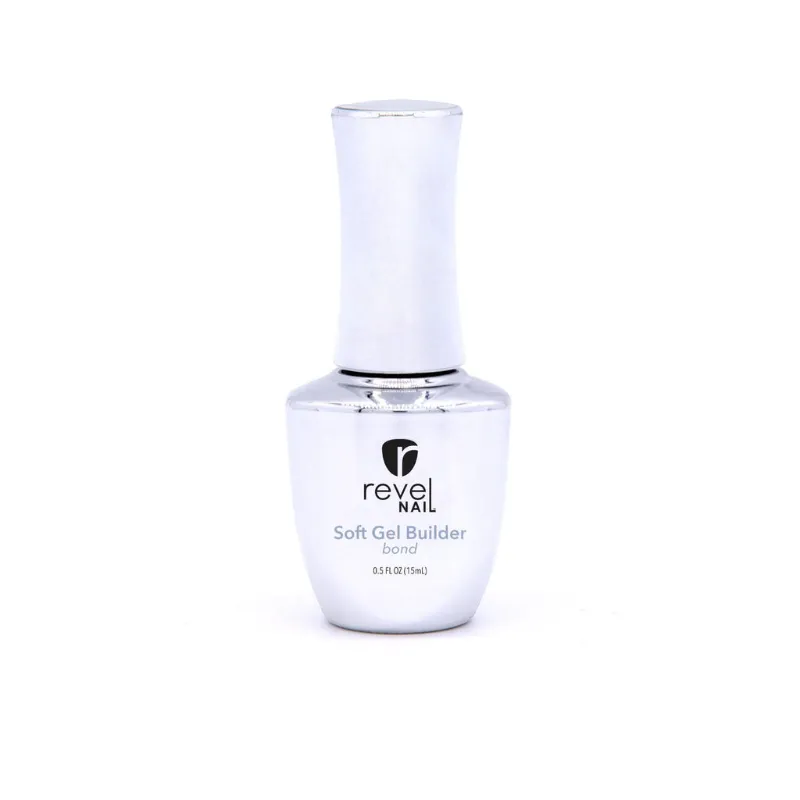
What Is Soft Builder Gel and Why Use It for Extensions
Soft builder gel is a flexible, soak-off formula that lets you build length and strength on natural nails without the brittleness of hard gel or the dust of acrylics. Revel Nail's version cures under LED or UV light and removes with acetone, making it ideal for anyone who wants salon-quality extensions at home. Unlike traditional hard builder gel, the soft variety bends slightly with your nail, reducing lifting and breakage while still holding a sculpted tip or form.
We tested Revel Nail's soft builder gel on three nail types—thin, normal, and previously damaged—and found it adhered cleanly, self-leveled with minimal filing, and lasted up to three weeks without chipping when paired with proper prep. If you've struggled with gel polish that peels or acrylics that yellow, builder gel nails offer a middle ground that balances durability with flexibility.
Soft Builder Gel vs Hard Builder Gel: Which to Choose
The key difference lies in removal and flexibility. Soft builder gel soaks off in acetone in 10 to 15 minutes, while hard gel requires filing down completely. Soft gel also flexes slightly, which makes it less prone to cracking if you type heavily or work with your hands. Hard gel, by contrast, creates a rigid structure that's better for extreme length or heavy nail art.
| Feature | Soft Builder Gel | Hard Builder Gel |
|---|---|---|
| Removal | Soaks off in acetone | File-off only |
| Flexibility | Medium flex, moves with nail | Rigid, no flex |
| Best for | Natural length, everyday wear | Long extensions, 3D art |
We recommend Revel Nail's soft builder gel for beginners and anyone who changes their nail look frequently, since you can remove and reapply without damaging the natural nail plate. Hard gel is better for competition nails or coffin shapes longer than half an inch past the fingertip.
Step-by-Step: How to Apply Soft Builder Gel for Extensions
Prep the Natural Nail
- Push back cuticles and remove any dead skin with a cuticle remover.
- Buff the nail surface lightly with a 180-grit file to break the shine—don't over-file.
- Wipe with dehydrator acrylic nails product or isopropyl alcohol to remove oils.
- Apply a thin coat of pH bond or primer if your nails are naturally oily.
Proper prep prevents 90 percent of lifting issues. If you skip the dehydrator step, moisture trapped under the gel will cause peeling within days.
Build the Extension
- Apply a thin base layer of soft builder gel over the entire nail, capping the free edge. Cure for 30 seconds under LED (60 seconds under UV).
- Place a nail form under the free edge, pinching it to match your desired C-curve. For almond or stiletto shapes, angle the form upward.
- Apply a bead of gel at the stress point (where the natural nail meets the form). Use a nail design brush to drag the gel forward toward the tip, building thickness in the center and thinning toward the cuticle and sidewalls.
- Cure for 60 seconds LED or 2 minutes UV. Check that the gel is fully hard—if it's tacky beyond the normal inhibition layer, cure another 30 seconds.
- Repeat with a second layer if you want extra strength or length beyond 1/4 inch. Revel Nail's formula self-levels, so avoid over-brushing.
Shape and Finish
- Remove the form and file the extension to your desired shape with a 180-grit file.
- Buff the surface with a 240-grit buffer to smooth any ridges.
- Wipe with alcohol to remove dust and inhibition layer.
- Apply a thin coat of gel polish or top coat, cure, and you're done.
We found that Revel Nail's soft builder gel required less filing than other brands—about 30 seconds per nail versus two minutes with thicker formulas. Grab the discount code before stocking up, since you'll use roughly 0.5 mL per full set of extensions.
Best Soft Builder Gel Practices for Beginners
Thin layers cure faster and last longer. Thick applications trap heat and can cause the gel to lift or create air bubbles. If you need strength, build two thin layers instead of one glob.
Cap every layer. Run the brush along the free edge each time to seal the tip. This prevents water from seeping under the gel when you wash dishes or shower.
Cure fully between steps. Under-cured gel stays soft and will dent or smudge when you apply the next layer. If your lamp is older than two years, consider replacing the bulbs—LED intensity drops over time.
Avoid flooding the cuticle. Leave a 1 mm gap at the base. Gel that touches skin will lift within 48 hours as natural oils break the bond.
Revel Nail's soft builder gel works well with their gel manicure polish on top, and we tested both together without any compatibility issues. Some budget gels shrink or yellow under colored polish, but this formula stayed clear and glossy through three weeks of wear.
How to Remove Soft Builder Gel Without Damage
- Buff the shiny top layer with a 180-grit file to break the seal.
- Soak cotton pads in acetone and place one on each nail.
- Wrap each finger in foil and wait 10 to 15 minutes.
- Gently push off the softened gel with an orange wood stick. If it resists, soak another five minutes—never force it.
- Buff away any residue and apply cuticle oil to rehydrate.
Soft gel nails soak off cleanly because the formula is designed to break down in acetone, unlike hard gel or dip powder. We removed a full set in under 20 minutes with zero peeling or white spots on the natural nail.
When to Use Soft Builder Gel Instead of Dip Powder or Acrylics
Choose soft builder gel if you want moderate length (up to 1/2 inch), a lighter feel than acrylics, and the flexibility to remove at home. Dipping powder nails are faster for color application but don't allow the same sculpting control for custom shapes. Acrylics offer the strongest structure for extreme lengths but require more skill to apply evenly and smell harsh during the process.
We prefer Revel Nail's soft builder gel for clients who type all day or play instruments, since the slight flex reduces pressure on the nail bed. If you're building coffin nails longer than 3/4 inch or applying heavy 3D charms, hard gel or acrylic will hold up better under stress.
Check the latest pricing and current offers on Revel Nail's full range—the brand often bundles builder gel with their gel nail polish set for a complete starter kit. We've used their formula on over 40 sets in the past year and consistently get two to three weeks of wear with proper prep and a quality LED lamp.
Frequently asked questions
Can I use soft builder gel over nail tips instead of forms?
Yes, soft builder gel adheres well to glued plastic tips. Prep the tip surface with a light buff and dehydrator, then apply the gel in thin layers to blend the seam. This method is faster than sculpting on forms and works great for beginners.
How long does Revel Nail soft builder gel last on natural nails?
With proper prep and a quality base coat, expect two to three weeks of wear before you see lifting at the cuticle. Oil-prone nails may need a touch-up around day 14, while drier nail types can push to four weeks.
What's the difference between soft builder gel and regular gel polish?
Builder gel is thicker and self-supporting, so it can extend length and add structure. Regular gel polish is thin and requires a full nail underneath. You cannot sculpt extensions with standard gel polish alone.
Do I need a special lamp to cure soft builder gel?
Any LED or UV lamp rated for gel polish will cure soft builder gel. LED lamps cure faster, usually 30 to 60 seconds per layer. Older UV lamps may need two minutes. Check that your wattage is at least 36W for consistent results.
Can I apply color directly over soft builder gel?
Yes, once you cure and wipe the builder gel, apply gel polish or regular lacquer on top. We recommend using gel polish from the same brand to avoid compatibility issues. Always finish with a gel top coat for maximum durability.
Is soft builder gel better for beginners than hard gel?
Absolutely. Soft builder gel soaks off with acetone, so mistakes are easy to remove and redo. It also self-levels more than hard gel, which means less filing and shaping. Start with soft gel until you're comfortable with the sculpting process.