

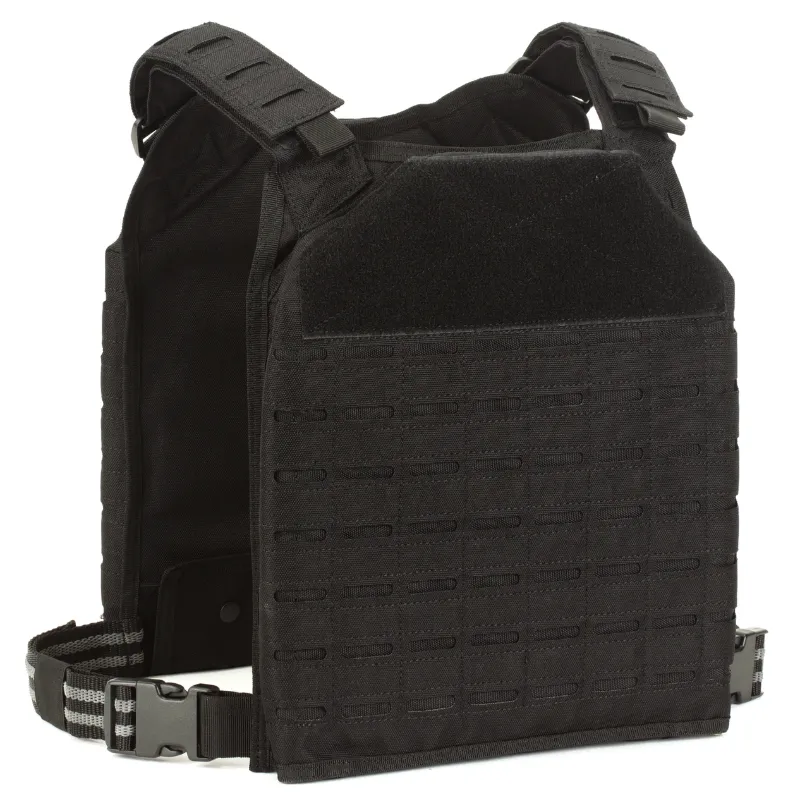
A plate carrier vest is designed specifically to hold ballistic plates and distribute their weight evenly across your chest and back, while a standard tactical vest prioritizes modular storage and quick access to gear without built-in armor capability. Understanding which platform suits your needs depends on whether protection or load-bearing flexibility is your primary mission requirement.
We tested both systems across law enforcement, range training, and civilian defense scenarios to help you decide which vest delivers the performance you actually need.
What Makes a Plate Carrier Vest Different
The core distinction is structural. A plate carrier vest features internal pockets or sleeves engineered to hold hard armor plates—typically 10x12-inch front and back panels—and uses a cummerbund or side plate system to stabilize the load close to your body. The carrier itself is minimal, with MOLLE webbing or hook-and-loop panels added externally for pouches and accessories.
Standard tactical vests skip the armor integration entirely. They're built around a mesh or lightweight fabric chassis covered in MOLLE, pouches, or fixed pockets for magazines, radios, medical supplies, and tools. These vests sit looser and often use a zipper or quick-release buckle system rather than the adjustable cummerbund of a plate carrier.
Weight distribution matters here. When you load body armor type 3 plates into a carrier, you're adding 15 to 20 pounds that must stay stable during movement. Plate carriers use padded shoulder straps, adjustable side tension, and sometimes internal suspenders to keep that mass from bouncing or sagging. A standard vest carries only the weight of your gear, so it can afford a simpler suspension system.
When You Need Ballistic Protection
Choose a plate carrier if your role involves credible ballistic threats. Law enforcement officers working patrol or entry teams, security contractors in high-risk environments, and competitive shooters training for tactical scenarios all benefit from the hard-armor capability. The carrier itself offers minimal soft protection, so the plates are non-negotiable.
Pair your carrier with level III or level IV plates depending on the threat profile. Voodoo Tactical carriers accommodate standard SAPI-cut plates and swimmer-cut options, and most feature quick-release handles for emergency doffing. If you're building a load-out for home defense or range training where ballistic protection isn't required, a plate carrier becomes overkill unless you plan to add plates later.
For current pricing on carriers and compatible armor, check the latest deals here.
When a Standard Tactical Vest Is Enough
Standard vests excel when you need organized gear access without the bulk or expense of armor. Range officers, competition shooters, hunters, and civilian trainers often prefer the lighter profile and better ventilation. You can configure pouches for spare magazines, a dump pouch, a radio, and a med kit without the 15-pound penalty of steel or ceramic plates.
These vests also work well for layering. If you already own soft body armor or a concealable vest, you can wear a tactical vest over it to keep your gear accessible. The modular design lets you swap pouches between vests or onto a range bag depending on the day's mission.
Mobility and cooling are real advantages. Without rigid plates, a tactical vest flexes with your torso during prone shooting, vehicle work, or long foot patrols. Mesh-back designs breathe better in summer heat, and the lighter load reduces fatigue during extended training.
Key Features to Compare
| Feature | Plate Carrier Vest | Standard Tactical Vest |
|---|---|---|
| Ballistic plate pockets | Yes, front/back/side | No |
| Weight (empty) | 2–4 lbs | 1–2 lbs |
| MOLLE coverage | Moderate to high | High |
| Ventilation | Limited | Excellent |
Look for these details when shopping:
- Adjustability – Plate carriers need precise fit to prevent plate shift; shoulder straps, cummerbund, and side adjustments should lock securely. Tactical vests use simpler sizing but should still offer chest and waist adjustment.
- Material – 500D or 1000D Cordura resists abrasion and holds stitching under load. Mesh or lightweight nylon works for vests that won't carry armor.
- Quick-release system – Emergency doffing can save your life. Plate carriers should have pull tabs that drop the entire rig in under three seconds.
- MOLLE rows – Count the rows on the chest and cummerbund. Five rows give you room for triple magazine pouches, admin panels, and a radio without stacking.
Configuring Your Load-Out
Start with your mission and work backward. If you're setting up for a carbine course, your plate carrier needs magazine pouches on the front panel, a dump pouch on the cummerbund, and a small admin pouch for pens and notes. Add an american flag patch or IR identifier if you're training with a team.
Standard vests let you front-load more gear because you're not managing armor weight. Mount pistol and rifle magazine pouches, a holster, a tourniquet, and a multi-tool without worrying about back strain. Keep the load balanced left-to-right to avoid listing during movement.
Transport matters too. A fully configured plate carrier with armor is bulky and heavy, so plan for a dedicated storage solution. An AR15 case or rifle case can double as transport for your vest if you remove the plates. For lighter tactical vests, a gun bag or range bag keeps everything organized between range trips.
Sizing and Fit Checklist
Measure your chest circumference at the widest point and compare it to the manufacturer's sizing chart. Plate carriers run smaller because they're designed to sit high and tight—the top of the front plate should be at your collarbone, and the bottom should cover your floating ribs. Standard vests are more forgiving and often use S/M/L/XL sizing with adjustable straps.
Try this fit test: with the carrier adjusted and plates inserted, raise your arms overhead and twist side to side. The plates should stay centered and not dig into your armpits or neck. If the carrier rides up or shifts, tighten the cummerbund or adjust shoulder strap length.
For tactical vests, the fit is looser by design. The vest should sit comfortably over a shirt or light jacket without restricting your draw stroke or reload motion. If you plan to wear it over propper BDU pants and a duty belt, test the combination to ensure the vest hem doesn't interfere with belt-mounted gear.
Maintenance and Long-Term Use
Both systems need regular inspection. Check stitching on MOLLE webbing and shoulder straps every few months, especially at high-stress points like buckle attachment and plate pocket seams. Spot-clean with mild soap and air-dry—never machine-dry Cordura or foam padding.
Plate carriers accumulate sweat and dirt inside the plate pockets. Pull the plates quarterly and wipe down the interior with a damp cloth. If your carrier has removable padding or mesh liners, hand-wash and air-dry them separately.
Store your vest flat or hanging to prevent creases in the cummerbund or shoulder straps. Keep plates out of the carrier during long-term storage to reduce stress on the fabric. If you rotate between a carrier and a standard vest, label your pouches so you can reconfigure quickly.
Grab the code to save on your next Voodoo Tactical vest or accessory order—we've seen 10% off sitewide during most promotions.
Making Your Final Decision
Choose a plate carrier vest if ballistic protection is part of your mission profile and you need a platform that keeps hard armor stable under movement. The added weight and cost are justified when the threat is real. Go with a standard tactical vest if you prioritize gear organization, ventilation, and budget, or if you're training in environments where armor isn't required.
Both platforms work with the same MOLLE pouches and accessories, so you can start with one system and expand later. We recommend trying on both styles with your typical load-out before committing, especially if you're new to tactical gear. The right vest disappears during use—you should feel the mission, not the rig.
 Shopping at Voodoo Tactical? See today's verified Voodoo Tactical discount code
Frequently asked questions
Can I add ballistic plates to a standard tactical vest?
No. Standard tactical vests lack the internal plate pockets, structural reinforcement, and weight-bearing suspension needed to safely carry hard armor plates. You need a dedicated plate carrier for that purpose.
How much does a plate carrier vest weigh with armor?
An empty plate carrier weighs 2 to 4 pounds. Add level III or IV plates and you're carrying 17 to 24 pounds total, depending on plate material and coverage area.
Do tactical vests work for concealed carry?
Most tactical vests are too bulky for concealed carry. They're designed to be worn openly over clothing during range training, competition, or duty use where visible gear is acceptable.
What size plate carrier do I need for a 42-inch chest?
Most manufacturers' large or extra-large plate carriers fit a 42-inch chest, but always check the sizing chart. The cummerbund and shoulder straps provide several inches of adjustment.
Can I use the same pouches on both vest types?
Yes. If both vests use MOLLE webbing, you can swap pouches between them. Just ensure the MOLLE spacing and row count match your pouch configuration.
How often should I replace my plate carrier vest?
Inspect stitching and webbing every six months. Replace the carrier if you see fraying at stress points, broken buckles, or torn plate pockets. With proper care, a quality carrier lasts five to ten years.