
Wand Toys for Kittens: How to Use Them Safely and Keep Playtime Fun as Your Kitten Grows

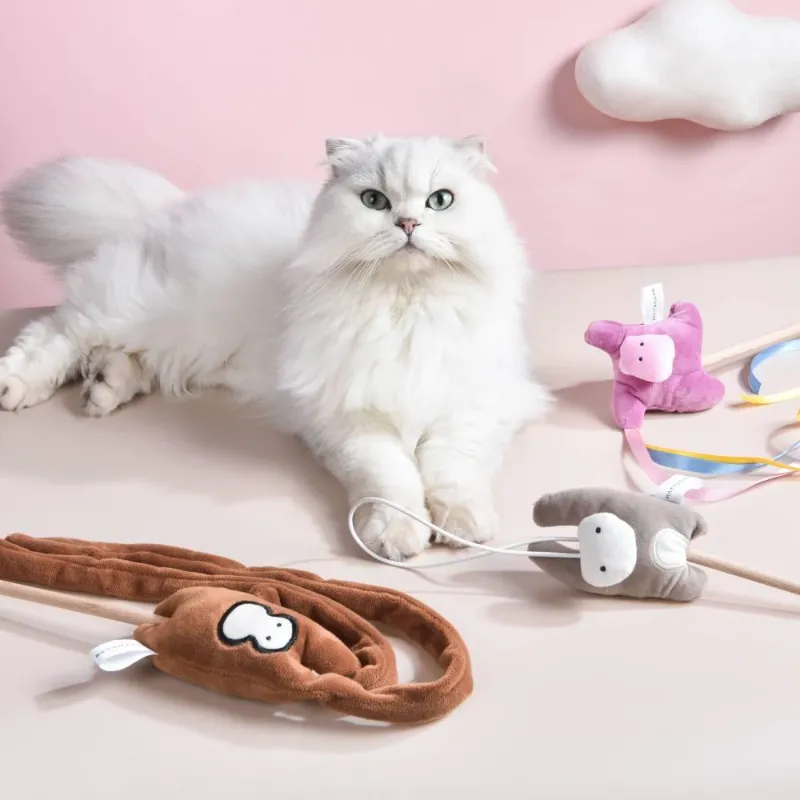
Wand toys for kittens are one of the safest and most useful ways to teach hunting play, burn off energy, and build confidence, as long as you use them with supervision and adjust the game as your kitten grows. We like starting with wand toys for kittens because they let your hands stay clear of sharp little claws while giving your kitten a moving target that feels natural to chase. If you want to buy with our code or check current pricing first, grab the code.
Why wand toys for kittens work so well
A good cat teaser wand taps into stalking, chasing, pouncing, and grabbing in a way that loose toys often do not. That matters most with young kittens, who are still learning how to play without biting hands or feet.
What we like about a wand toy for early play:
- It creates distance between your hand and the toy, which helps discourage hand-hunting habits.
- You can control speed and movement to match a kitten's age, balance, and confidence level.
- It works in small spaces and larger rooms.
- It turns play into a repeatable routine, which is helpful for active kittens.
The basics are backed up by shelter and behavior guidance like Wand Toys are Magical for Cats, which explains why interactive play helps cats act out natural hunting behavior in a safe way.
How to use a cat teaser wand safely
The biggest mistake we see is treating a wand like a toy to leave out all day. A cat teaser wand should be a supervised toy, especially for kittens that chew strings, feathers, or clips.
Use it this way instead:
- Start with a short session when your kitten is alert but not overly wild.
- Drag, flutter, and pause the toy along the floor instead of dangling it nonstop in the air.
- Let your kitten stalk first, then chase, then catch.
- End with a real win so the session feels complete.
- Put the wand away after play.
A few safety rules matter most:
- Do not let your kitten chew the string or rod.
- Avoid jerking the toy directly into your kitten's face.
- Check for loose parts before every session.
- Replace worn attachments quickly if the lure starts shedding or breaking apart.
- Stop if your kitten gets frustrated, overstimulated, or starts open-mouth panting.
If you are comparing styles, you may see searches for da bird cat toy, cat wand toy amazon, or cat wand toy walmart. The better question is not where it is sold, but whether the toy is sturdy, sized for a kitten, and easy to control without risky loose parts.
What to look for in wand toys for kittens as they grow
Not every wand suits every age. A very young kitten usually does best with a lighter lure and slower movement. As coordination improves, many kittens enjoy faster play and a cat wand with interchangeable toys so you can change textures and keep interest high.
Here is the quick comparison we use:
| Feature | Better for younger kittens | Better for older kittens |
|---|---|---|
| Lure weight | Light, soft, easy to drag | Slightly heavier, more active movement |
| Movement style | Slow scoots and short hops | Faster darts, climbs, and direction changes |
| Attachment type | Simple single lure | Cat wand toy attachments or interchangeable lures |
| Session goal | Confidence and coordination | Fitness, focus, and problem-solving |
As your kitten matures, watch for these upgrade signs:
- They lose interest in the same lure every session.
- They catch the toy instantly and need more challenge.
- They start preferring vertical play on furniture or climbing posts.
- They do better with a cat toy wand replacement than with buying a whole new setup.
This is also where your home setup matters. Pairing interactive play with a climbing outlet like a wooden cat tower gives your kitten a place to spring, perch, and reset between chases.
The best play setup at home
A wand toy works better when the rest of your kitten's environment supports normal cat behavior. We think in terms of a full routine, not one toy solving everything.
A balanced play area usually includes:
- A safe floor space with room to stalk and pounce
- A vertical outlet like a wooden cat tower
- A quiet rest spot after play
- Daily feeding that fits your kitten's needs, with your vet's guidance
- A clean litter area that is easy to reach
If your kitten tends to chew plants, redirecting that interest can help. A cat grass kit is a more useful add-on than random houseplants, since it gives them a cat-safe nibbling option in their routine.
For multi-cat homes or very active kittens, the post-play reset matters too. We often find that predictable play, food, and litter habits reduce random zoomies and rough play. If you are also updating the rest of your setup, you can check the latest price while you compare essentials.
Common mistakes that make play less safe or less fun
Most problems with wand play come from how the toy is used, not from the idea of the toy itself.
The mistakes we would avoid:
- Using your fingers as part of the game
- Swinging the toy too fast for a young kitten to track
- Never letting the kitten catch the lure
- Leaving the wand out for unsupervised chewing
- Repeating the exact same pattern every day
- Running long sessions when the kitten is already tired or cranky
Some shoppers also wonder about a cat teaser toy automatic versus a manual wand. Automatic toys can be useful for variety, but they do not replace the value of owner-led play. With a manual wand, you can adapt speed, height, and pauses to your specific kitten in real time.
If you want more examples of wand styles and features, The 8 Best Cat Wand Toys of 2026 is a helpful overview of how different teaser designs work.
How play needs change after the tiny-kitten stage
As kittens get older, interactive play should become a little more strategic. The goal shifts from simple movement practice to healthy daily exercise and bite-free engagement.
We usually adjust in these ways:
- Add more direction changes and short climbs
- Rotate lures to keep the hunt interesting
- Use shorter, focused sessions instead of one chaotic burst
- End play near a meal, snack, or calm-down routine
This is also when boredom starts showing up in other behaviors, from curtain climbing to pestering ankles. A solid play routine can help, but so can the rest of the basics. Good digestion, easy litter access, and a stable environment all matter. For example, some owners pair active play with better feeding structure using high fiber cat food when it fits their cat's needs and vet advice, while others improve comfort with a roomy litter setup such as the michuPet litterbox.
Our bottom line is simple: choose a sturdy wand, supervise every session, let your kitten catch the toy, and adapt the challenge as they grow. If you are ready to buy, compare the current deal and grab the code before you check out.
Frequently asked questions
Are wand toys for kittens a good first toy?
For many kittens, a wand toy is one of the best first interactive toys because it encourages stalking and chasing without teaching them to bite hands. The key is supervised play and age-appropriate movement.
When should I replace cat wand toy attachments?
Only if the attachment is still intact, kitten-safe, and securely fastened. If the lure is shedding, fraying, or small enough to swallow, replace it before the next play session.
How long should a kitten play with a cat teaser wand?
Most kittens do best with short, focused sessions rather than one long workout. Watch your kitten's energy, coordination, and frustration level, and stop while they are still enjoying the game.
Does a wooden cat tower help with wand play?
A [wooden cat tower](/go/p/669) adds a vertical outlet, so your kitten can chase, climb, and perch as part of the same play routine. That often makes wand sessions more natural and more tiring in a good way.
Is a cat teaser toy automatic better than a manual wand?
Automatic toys can add variety, but they are not a full substitute for owner-led interactive play. A manual wand lets you control speed, pauses, and catches based on your kitten's age and confidence.