
Which Ring Doorbell Replacement Screws Do You Need? Sizes, Compatibility, And Common Mistakes

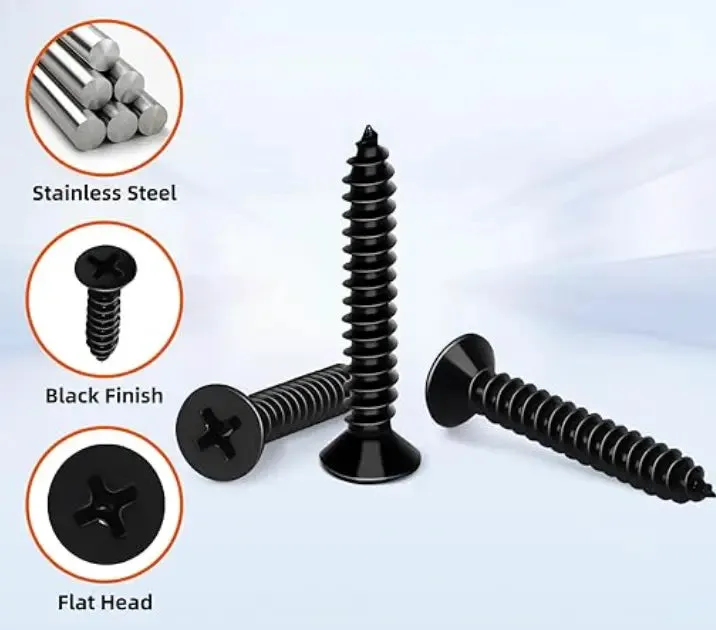
Ring doorbell replacement screws are not one-size-fits-all, so the right choice depends on your specific Ring model, the screw location, and whether you need the short mounting screws or the bottom security screw. If you match the screw type before you buy, you can avoid stripped threads, loose fit, and the common mistake of ordering a generic kit that does not actually fit your doorbell.
Start by identifying which screw is missing
Before ordering anything, check whether you need:
- The bottom security screw that locks the faceplate in place
- Backplate or mounting screws that attach the bracket to the wall, wood, or masonry anchors
- Battery cover screws on certain models or accessories
Most people mean the small security screw at the bottom when they search for a replacement. That screw can vary by Ring generation and by whether you have a standard doorbell, Pro model, or another variation.
A quick way to narrow it down is to check:
- The exact product name in your Ring app or order history
- The shape of the screw head you still have, if one remains
- Whether the missing screw goes into the faceplate, the mount, or the wall
- Whether the threads look fine or already stripped
If you are unsure, it helps to compare your situation with real owner discussions like this Ring replacement screw thread, where the confusion is often about mixing up faceplate screws with mounting hardware.
Ring doorbell replacement screws by type
The safest approach is to match by model and function, not by guesswork. Even when screws look close in photos, small differences in thread pitch, length, and head style can stop them from seating correctly.
| Screw type | What it does | Best way to match |
|---|---|---|
| Bottom security screw | Locks the faceplate to the doorbell | Match to your exact Ring model |
| Mounting screw | Secures bracket or plate to wall surface | Match to mount type and wall material |
| Accessory screw | Holds wedges, mounts, or plates together | Match to the specific accessory |
Here is the practical rule:
- If the screw goes into the device body or faceplate, match the Ring model exactly.
- If the screw goes into the wall or bracket, match the mount and surface.
- If you are buying a kit, confirm it lists your specific doorbell generation, not just “fits Ring.”
When you are ready to compare options, materials, or fit, use the store page to check the latest price rather than relying on old listings or screenshots.
Common compatibility mistakes to avoid
Most replacement screw problems come from buying something that is “close enough.” In practice, close enough often means cross-threaded, loose, or impossible to tighten.
The biggest mistakes we see are:
- Assuming all Ring screws are the same
Different generations can use different hardware.
- Buying by photo only
Screws that look identical can still have the wrong thread.
- Using any small security screw
A mismatched thread can damage the insert or housing.
- Ignoring the mount type
Brick, stucco, wood, and metal setups may need different mounting hardware.
- Forcing the screw in
If it resists immediately, stop and recheck the fit.
There are also plenty of user reports showing how easy it is to end up with the wrong part, including threads like this owner discussion about a bottom screw fit issue. Those examples are useful because they show that the problem is usually not installation skill. It is bad matching.
How to choose the right material and finish
For outdoor doorbells, material matters almost as much as size. A screw that technically fits but rusts quickly can create future removal problems.
Look for these features:
- Corrosion resistance for rain, humidity, and temperature swings
- Clean threads that start smoothly by hand
- A head shape that matches the original driver tool
- A finish that will not stain the mounting area
In general:
| Material or finish | Good for | Watch out for |
|---|---|---|
| Stainless steel | Outdoor weather resistance | Must still match thread exactly |
| Coated steel | Lower cost and decent durability | Coating can wear over time |
| Soft generic alloy | Temporary use at best | Easier to strip or deform |
If your old screw seized, corroded, or stripped, it may be worth replacing the matching pair rather than only one screw. That helps keep tension even and avoids comparing old worn hardware against new hardware.
How to confirm the right size without damaging the doorbell
If you do not know the exact size, avoid “testing” random screws in the unit. That is how threads get damaged.
Use this safer process:
- Identify the exact Ring model from the app, box, or purchase receipt.
- Check whether you need a security screw or a mounting screw.
- Compare the length and head style of any remaining original screw.
- Read the kit or listing carefully for model-specific compatibility.
- Start threading by hand only. Do not use force.
Signs you have the wrong screw:
- It wobbles before it catches
- It binds after less than a turn or two
- The head does not sit flush like the original
- You need pressure immediately to make it turn
A correct replacement should begin threading smoothly and tighten with controlled resistance. If it does not, back it out and stop.
What to buy if you lost the tool too
Sometimes the missing part is not just the screw. It is the security screwdriver or bit that came with the device. In that case, look for a replacement set that includes:
- The correct security screw
- The matching driver bit or screwdriver
- Clear model compatibility notes
- Outdoor-suitable material
This is often the best route for households where the original packaging is long gone. If you are shopping for a screw set, mount, or related hardware, you can also grab the code before ordering. The current store page lists 8% off your order, which is more useful than chasing outdated coupon posts.
Who should buy a model-specific kit instead of a generic screw pack
A generic hardware assortment can work for wall mounting projects, but it is usually the wrong move for faceplate or security screws.
A model-specific kit is the better choice if:
- Your missing screw goes into the doorbell body itself
- You own an older Ring generation and are unsure about compatibility
- You already tried a screw that almost fit
- You want the correct driver included
- You do not want to risk damaging the threaded insert
A generic pack may be enough if:
- You only need wall screws for a separate bracket
- The original threaded hole is not in the device body
- You are replacing anchors and exterior mounting hardware around the install
For most buyers, the safest path is simple: match the exact model, confirm whether the missing part is the faceplate security screw or wall hardware, and avoid forcing anything that does not thread easily. If you want one place to compare replacement options and current savings, check the latest price before you buy.
Final take
The right replacement is the one that matches your Ring model and screw function exactly. When in doubt, skip generic “universal” claims, choose corrosion-resistant hardware, and verify fit by hand first so your doorbell stays secure without damaging the threads.
Frequently asked questions
Can I use any small security screw in a Ring doorbell?
Usually no. Even if a screw looks similar, the thread and length may not match your model, and forcing it can damage the threaded insert.
What is the difference between a Ring security screw and a mounting screw?
The security screw usually holds the faceplate or cover in place at the bottom of the unit. Mounting screws attach the bracket or plate to the wall or surface behind it.
How do I know which replacement screw fits my Ring model?
Start with the exact product name from your Ring app, box, or order history. Then match the replacement by model and by screw function, not just by appearance.
Should I replace both screws if only one is missing?
If the remaining screw is worn, rusty, or stripped, replacing the pair can be a smart move. It helps keep the fit and tension consistent.
What if I lost the screwdriver or bit too?
Look for a replacement kit that includes both the correct screw and the matching security driver. That is often the easiest option if you no longer have the original tool.