
Wig Grip Cap vs Wig Clips: Which Keeps Your Wig More Secure?

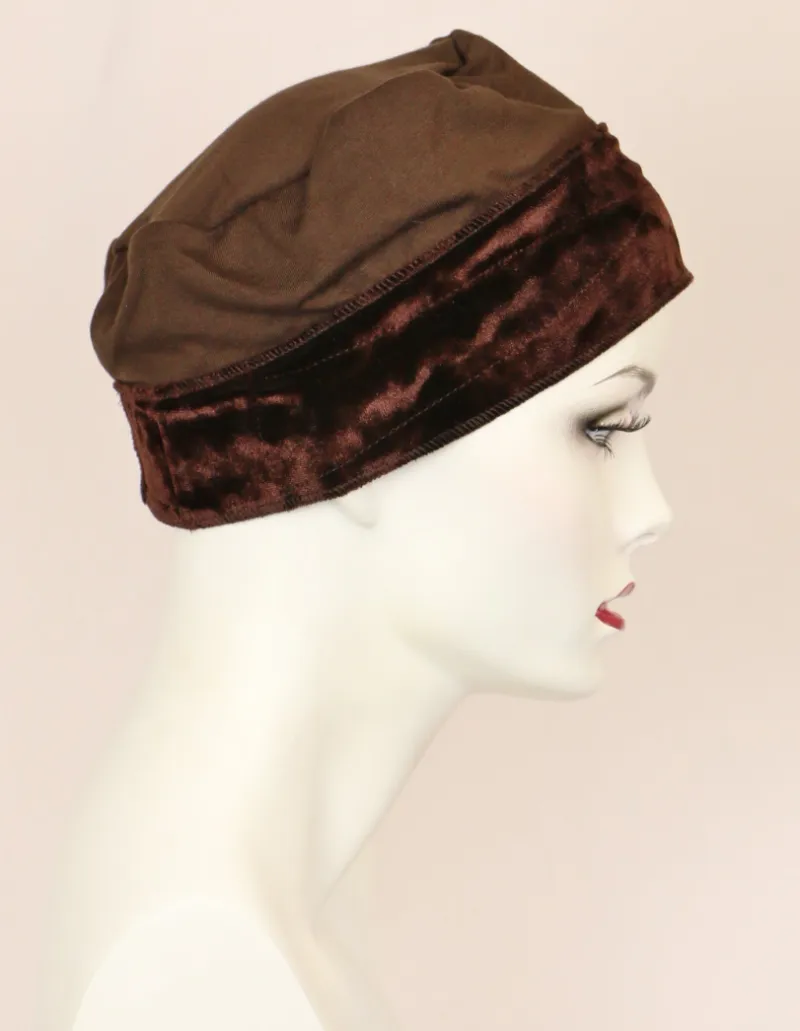
A wig grip cap provides all-day security by gripping your entire hairline with a soft, adjustable band, while wig clips offer targeted hold at individual anchor points inside the wig. Both methods work, but your best choice depends on your natural hair texture, activity level, and whether you prioritize comfort or maximum grip.
We tested both approaches with godiva's secret wigs to see which delivers the most reliable hold without slipping, tugging, or causing headaches during real-world wear.
How a Wig Grip Cap Works
A wig grip cap sits directly against your scalp or over a wig cap, creating friction along your entire hairline. The adjustable velcro band at the back lets you dial in the perfect tension, and the textured interior grips fine hair, slick scalps, or even bald heads without adhesive or damage.
We found grip caps work especially well for:
- Active lifestyles – gym sessions, dancing, or windy days where clips alone might shift
- Sensitive scalps – no metal pressing into your head or pulling individual hair strands
- Thin or fine natural hair – traditional clips can slip out or cause breakage over time
- Lace front wigs – the band sits behind the lace, so it never shows through
Most lace wig grip cap designs use double-sided velvet or silicone strips. The velvet grips synthetic and human hair equally well, while silicone versions stay put even during sweat. If you're choosing a best wig grip cap for your collection, look for adjustable sizing and breathable fabric to avoid scalp irritation during extended wear.
How Wig Clips Provide Hold
Wig clips (also called wig combs) sew directly into the wig's weft and snap onto your natural hair or a wig cap underneath. Most wigs arrive with three to five clips pre-installed along the perimeter and crown, though you can add more with a wig comb and needle.
Clips excel when you need:
- Quick on-and-off wear – snap open, position the wig, snap closed in seconds
- Adjustable anchor points – place extra clips exactly where your wig tends to lift
- Lightweight hold – no additional layer between your scalp and the wig cap
- Budget simplicity – most wigs include clips by default, no extra purchase required
The downside: clips concentrate tension at a few small points. If you have thick natural hair, that's fine. If you have thinning hair or wear wigs daily, those pressure points can cause discomfort or gradual hair loss over months of use.
Wig Grip Cap vs Clips: Material and Comfort
| Feature | Wig Grip Cap | Wig Clips |
|---|---|---|
| Material | Velvet, silicone, or mesh band | Metal snap combs sewn into weft |
| Pressure distribution | Even tension around entire hairline | Concentrated at 3-5 anchor points |
| Breathability | Adds one extra layer (but most are mesh) | Direct contact with scalp through wig cap |
| Damage risk | Zero – no pulling on natural hair | Can snag or break fine hair over time |
We wore both methods for eight-hour shifts and found the wig grip band cap caused less end-of-day soreness, especially around the temples. Clips felt secure but occasionally pinched when we leaned back against a chair.
For breathability, a mesh-based grip cap (common in milano wig grip cap styles) rivals the airflow of clips alone. Solid silicone versions trap more heat, so save those for cool weather or short wear times.
Which Method Offers Better Security?
Grip caps win for all-day stability. The friction spreads hold across your entire hairline, so no single point of failure can let the wig shift. We tested this combo with godiva wigs during outdoor shoots and never needed a mid-day adjustment.
Clips win for controlled placement. If your wig only lifts at the nape or temples, you can add extra clips exactly where you need them. Pair clips with duckbill clips during styling to section hair while you secure the wig, then remove them before final positioning.
For maximum security, layer both: wear a grip cap as your base, then use two or three clips at high-stress zones like the nape and crown. Check the latest price to save 15% sitewide when you stock up on both accessories.
Styling and Maintenance Differences
With a grip cap:
- Wash weekly in cool water with synthetic wig shampoo (velvet absorbs oils and product buildup)
- Air dry completely before storage to prevent mildew in the band
- Replace every 6-12 months as velcro or elastic stretches out
With clips:
- Check clip tension monthly – bent combs lose grip and can snag weft threads
- Sew in replacements if a clip breaks (much easier than replacing an entire grip cap)
- Clean the wig as usual; clips don't absorb buildup
If you switch between multiple wigs, clips stay attached to each unit, so you grab and go. A single grip cap works with your entire collection, making it more cost-effective if you rotate godivas secret wigs and curly hair toppers frequently.
Who Should Choose Each Method?
Choose a wig grip cap if you:
- Wear wigs daily for 6+ hours at a time
- Have little to no natural hair to anchor clips
- Experience scalp sensitivity or tension headaches from clips
- Want the most secure hold for active movement
Choose wig clips if you:
- Switch wigs multiple times per day
- Have thick natural hair that holds clips firmly
- Prefer the lightest possible base layer
- Already own wigs with pre-installed clips and don't want to invest in new accessories
Many of our readers use a grip cap for their everyday godiva secret wigs, then rely on clips alone for quick evening changes or special occasion styles. Keep a pony clip handy too – it's perfect for securing your natural hair into a low bun before positioning either the grip cap or the wig itself.
Where to Buy and Current Discounts
You'll find both options at Godiva's Secret Wigs, often bundled with wig care essentials like haitopp spray for hold and shine. Grab the code for 15% off sitewide, which applies to grip caps, clips, shampoos, and the full wig collection.
If you're shopping locally, search for a wig grip cap near me to try sizing in person, but online retailers typically offer better variety in materials and adjustability. We recommend starting with one velvet grip cap and testing it with your current wig before investing in a full drawer of accessories.
Both methods deliver reliable hold when matched to your hair type and lifestyle. A grip cap distributes tension evenly and works on any scalp, while clips offer quick adjustability and zero learning curve. Test both, and you'll quickly discover which feels invisible on your head and which demands constant readjustment.
Frequently asked questions
Can I wear a wig grip cap with a lace front wig?
Yes, position the grip cap about half an inch behind your natural hairline so it sits under the lace. The band anchors the wig without showing through the sheer lace panel.
Do wig clips damage fine or thinning hair?
They can over time, since clips concentrate tension at a few small points. If you have fragile hair, switch to a grip cap or add a protective wig cap layer underneath to distribute the pressure.
How tight should a wig grip band cap feel?
Snug enough that the wig doesn't shift when you shake your head, but loose enough to slide two fingers under the band. If you feel a headache within an hour, loosen the velcro adjustment.
Can I use both a grip cap and wig clips together?
Absolutely. Wear the grip cap as your base layer for all-over hold, then add one or two clips at high-movement areas like the nape or temples for extra security during active wear.
How often do I need to replace a wig grip cap?
Every six to twelve months, depending on how often you wear it. The velcro and elastic stretch out over time, which reduces grip. Wash it weekly to extend its lifespan.
Which method works better for workouts or dancing?
A wig grip cap distributes hold across your entire hairline, so it stays secure during high-impact movement. Clips can shift or pop open when you sweat, especially if your natural hair is fine or slippery.