
How to Care for a Capelin Crew Snow Suit, Anorak Jacket, or Windbreaker So It Lasts More Than One Season

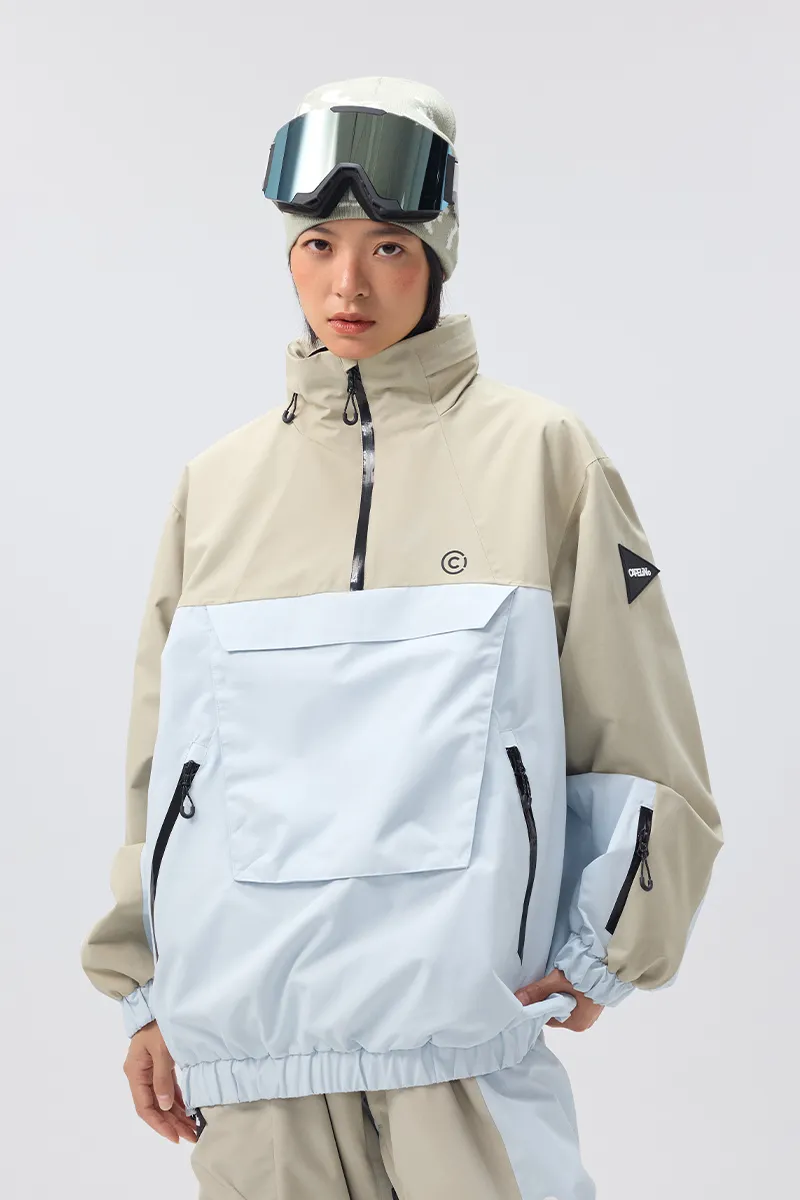
A windbreaker jacket lasts more than one season when you wash it gently, dry it carefully, and store it clean instead of treating it like a regular hoodie. That applies across Capelin Crew outerwear too, whether you wear a windbreaker jacket, a Capelin anorak, or a full snow suit, and if you want the latest deal before you buy or replace anything, check the latest price.
How to care for a windbreaker jacket without ruining the fabric
Most lightweight shells fail early because of heat, harsh detergent, or grime left sitting in the face fabric. A windbreaker jacket needs lower-stress care than cotton or fleece, especially if you want it to keep blocking wind and light moisture.
Start with the care label, then follow these safe basics:
- Empty every pocket and close zippers, snaps, and hook-and-loop tabs.
- Turn the jacket inside out if the label allows it.
- Use a gentle liquid detergent with no bleach and no fabric softener.
- Wash on a cold or cool, delicate cycle.
- Run an extra rinse if detergent residue tends to stay in your machine.
- Air-dry first, or use very low heat only if the label says it is safe.
If your jacket looks clean but smells a little stale, it usually does not need a full heavy wash. Spot-cleaning cuffs, collar, and hem will often preserve the finish better than over-washing.
For general background on how wind layers differ from heavier shells, gear roundups like The Best Windbreakers | Tested & Ranked can help you see why lightweight materials need gentler handling than bulkier winter coats.
Care differences: windbreaker, anorak jacket, and snow suit
Not every Capelin Crew piece should be treated the same way. A packable windbreaker, a pullover anorak jacket, and an insulated snow suit all collect dirt in different places and dry at different speeds.
| Item | Main care concern | Best routine |
|---|---|---|
| windbreaker or windbreaker jacket | Thin face fabric, coating wear, wrinkles from heat | Wash cold, mild detergent, hang dry or very low heat if label allows |
| anorak jacket or Capelin anorak | Sweat around neck, half-zip area, longer dry time | Spot-clean often, full wash only when needed, hang fully open to dry |
| snow suit | Packed-in snow grime, cuffs, seat, and insulation loft | Rinse dirt out promptly, wash less often but more thoroughly, dry slowly and completely |
| snow bib or ski bottoms | Knee, hem, and suspender wear | Brush off salt and mud, wash after hard-use days, avoid high dryer heat |
If you also rotate bottoms like ski pants, windbreaker pants, or a snow bib, clean the lower legs quickly after slushy days. Road salt and grit can wear fabric faster than most people realize.
What to do right after a ski or snow day
The biggest mistake we see is tossing wet gear into a pile or leaving it zipped in a bag overnight. That is how odor builds up and coatings break down faster.
When you get home:
- Shake off loose snow and dirt.
- Hang everything up immediately in a ventilated space.
- Open pockets, loosen cuffs, and unzip vents so trapped moisture can escape.
- Wipe mud or lift-ticket grime before it dries into the fabric.
- Wash only the pieces that actually need it.
This matters for bulkier pieces like ski jackets, snow suits, and snowboarding outerwear because damp insulation and wet linings take longer to recover. If your outer layer got soaked, let it dry fully before deciding whether it needs a wash.
If you are shopping for a backup shell or comparing styles for different use cases, browsing mainstream category pages like Men's Windbreakers & Wind Jackets can help clarify the difference between lighter wind shells and heavier winter pieces.
The safest way to wash ski pants, ski jackets, and women’s ski pants
Snow gear usually gets dirtier at the hems, knees, cuffs, and seat than across the full garment. That means pre-treating those zones matters more than using a stronger wash cycle.
For ski pants, ski jackets, and ski pants women, we recommend this approach:
- Brush off dried mud before washing.
- Spot-clean sunscreen, food, and chairlift grease first.
- Wash technical pieces together, not with towels or heavy cotton items.
- Skip powdered detergent if it tends to leave residue.
- Dry completely before storage so mildew does not build in the lining.
A lot of shoppers search for terms like windbreaker jacket women, windbreaker jacket men, or windbreaker jacket waterproof, but the care basics stay similar across most synthetic shells. The main differences are cut, lining, and whether the piece is built for everyday wear or full winter conditions.
If you are deciding between replacing worn gear and maintaining what you have, grab the code before you check the store so you can compare the latest offer with the condition of your current setup.
How to protect water resistance, shape, and color
The finish on outerwear usually wears down from friction, body oils, and repeated hot washes more than from normal use. If your jacket stops shedding light moisture, that does not always mean the garment is ruined. It may simply need cleaner fabric and gentler treatment.
To preserve performance longer:
- Wash less often, but wash promptly after very dirty days.
- Avoid high heat in the washer or dryer.
- Do not use bleach, softener, or dryer sheets.
- Keep sharp gear edges from rubbing the same spots repeatedly.
- Store outerwear hanging when possible instead of tightly compressed.
This is especially important if you like lightweight streetwear-inspired pieces, including styles people often compare with windbreaker jacket vintage or brand-led looks. Thin fabrics can crease and lose shape faster when they stay crammed in a gym bag or car trunk.
Storage and off-season care that adds real life to your gear
Clean storage is what separates gear that lasts one season from gear that still looks usable next year. Even if your outerwear seems fine at the end of winter, putting it away dirty can set stains and lock in odor.
Before off-season storage:
- Wash or spot-clean each piece.
- Dry every layer fully, including pocket linings and cuffs.
- Check zippers, drawcords, and seam areas for early damage.
- Hang jackets if you have closet space.
- Fold snow pants or bibs loosely instead of compressing them under heavy gear.
For mixed wardrobes, keep your everyday windbreaker separate from heavy snow pieces. A light shell gets used more often across spring and fall, while a snow suit or ski setup may only come out for trips. That makes it easier to monitor wear and clean on the right schedule.
When to repair, rewash, or replace Capelin Crew outerwear
Not every issue means you need a new jacket. Sometimes a second rinse, a careful spot-clean, or basic repair buys you another season.
Try cleaning or repairing first if you notice:
- Dingy cuffs and collar but no tears
- Zippers that stick because of dirt buildup
- Mild odor after storage
- Flattened areas from being packed too tightly
Consider replacement when you see:
- Fabric wearing thin at cuffs or shoulders
- Repeated seam failure
- Persistent odor after proper washing and drying
- Damage that affects comfort or weather protection
If you do need a replacement, compare the product that matches your use case instead of buying the closest-looking option. A windbreaker is better for everyday layering, while ski jackets, snowboarding jackets, and a snow suit make more sense for repeated cold-weather use. And before you buy, check the latest code and pricing here so you are not guessing on the current offer.
Frequently asked questions
How often should I wash a windbreaker jacket?
Wash it on a cold or cool gentle cycle with mild liquid detergent, then air-dry or use very low heat only if the care label allows it. Avoid bleach, fabric softener, and heavy wash loads that can stress the fabric.
Can I machine-wash a Capelin anorak?
Yes, but only if the care label permits it. Anoraks often have longer drying times and can trap more moisture around the neck and zipper area, so hang them open and make sure they dry fully before storage.
Is it safe to put a snow suit or windbreaker in the dryer?
Only if the label specifically says it is dryer-safe. High heat is one of the fastest ways to damage lightweight shells and reduce the life of technical outerwear.
What is the best way to clean ski pants women styles and snow bibs?
Spot-clean high-wear zones first, wash with mild detergent, and dry them completely before storing. Hems, knees, and cuffs usually need the most attention after slushy or dirty days.
Should I replace my snowboarding jacket if it starts smelling after storage?
Not always. If the fabric still feels strong and the seams are intact, a proper wash, full dry, and better storage can restore comfort and extend its life.