
Wooden Cat Tower Care Guide: How to Clean, Maintain, and Make It Last Longer

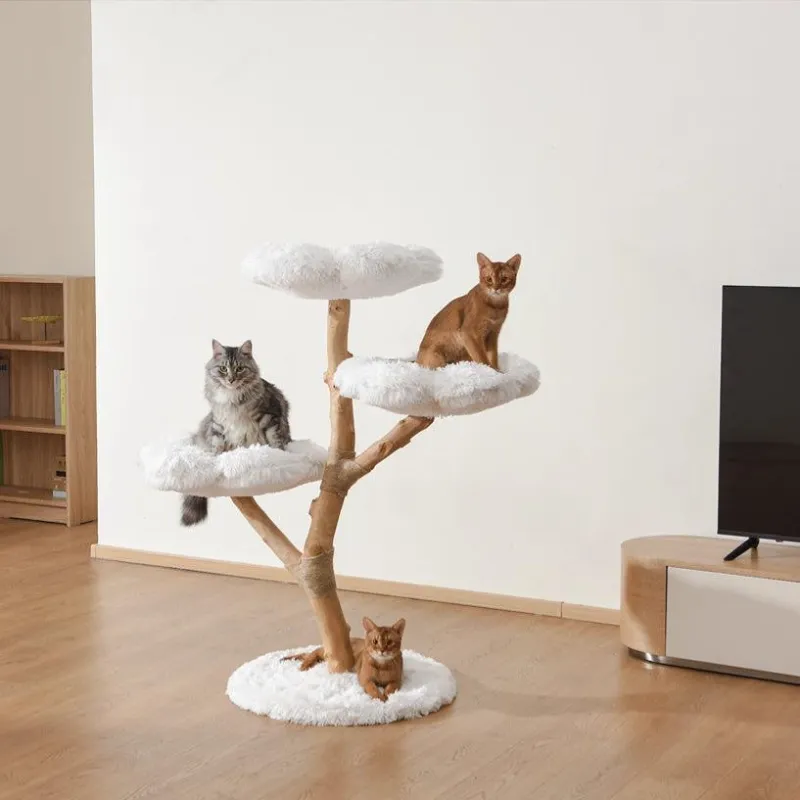
A wooden cat tower lasts longer when you remove fur often, wipe spills quickly, tighten hardware on a schedule, and keep scratching surfaces and nearby litter dust under control. If you already have the wooden cat tower from MichuPet, a simple weekly routine will do more for its lifespan than occasional deep cleaning, and you can check the latest price or code anytime before you buy accessories.
Why a wooden cat tower needs different care than carpeted cat trees
Wood looks better over time when you keep moisture, grit, and sharp claw wear in check, but it does not hide mess the way carpet does. That is true whether you have a natural wood cat tree, a modern wood cat tree, or a heavier wood cat tree for large cats.
What changes with wood:
- Fur and dust sit on the surface instead of sinking in.
- Water bowls, hairballs, and wet paws can leave marks if they sit too long.
- Loose screws matter more because rigid frames transfer weight differently than plush towers.
- Sisal, pads, and platforms wear at different speeds, so spot maintenance works better than replacing the whole unit.
If you are comparing styles, browsing larger collections like SOLID WOOD CAT TREES & CONDOS (Free Shipping) or Cat Towers, Trees, Ramps, Condos & More Cat Furniture can help you understand how materials and platform layouts affect cleaning.
Your weekly cleaning routine for a wooden cat tower
Most owners do best with a fast once-over every few days and a more thorough clean once a week. That keeps oils, dander, and litter dust from building up.
What to use
- A vacuum with brush attachment
- A dry microfiber cloth
- A lightly damp cloth with mild soap if needed
- A dry towel
- A small screwdriver or hex key that fits the hardware
- A lint roller for cushions or perch covers
What to do each week
- Vacuum platforms, corners, and scratching posts to remove fur and grit.
- Wipe wood surfaces with a dry cloth first.
- Spot-clean sticky areas with a barely damp cloth, then dry them right away.
- Check joints, ladders, and perches for wobble.
- Remove any trapped litter around the base.
- Inspect scratch zones for fraying or peeling.
Avoid soaking the frame or using harsh sprays. A modern wood cat tree keeps its finish better when you clean lightly and often rather than scrubbing aggressively.
How to prevent litter dust, food mess, and odor from reaching the tower
A lot of tower wear starts somewhere else in the room. If your cat jumps from the litter area to the tower, fine dust and small granules get ground into platforms and scratch panels.
To reduce that mess:
- Keep the tower a little away from the litter box, not right beside it.
- Use a lower-dust litter if cleanup is constant.
- Put a mat between the box and the tower.
- Wipe food splashes before your cat tracks them upward.
If litter dust is part of the problem, michuPe tofu litter and tofu cat litter are worth considering because they can make the area easier to keep tidy. If odor and scatter are the bigger issue, a cat litter box with lid can help keep debris more contained around the room. When you want to compare current offers across those add-ons, grab the code here.
Food also matters more than people expect. Cats with frequent digestive upset or hairball mess can create extra cleanup on furniture and climbing spots. If that sounds familiar, high fiber cat food may be a useful support item to look at alongside your tower setup.
Maintenance checks that make wood cat trees last longer
The biggest difference between a tower that lasts and one that gets retired early is usually maintenance, not cleaning. This matters even more for a solid wood cat tree for large cats, where repeated jumping puts more force on the frame.
Use this quick check table:
| Area | What to check | What to do |
|---|---|---|
| Base and legs | Rocking, uneven contact with floor | Re-level and tighten hardware |
| Platforms | Cracks, looseness, finish wear | Tighten, rotate pads if possible, clean and dry |
| Scratching sections | Frayed sisal or worn wrap | Replace or rewrap before cats claw the wood |
| Cushions or covers | Fur, odor, compressed fill | Vacuum, wash if removable, air dry fully |
A few practical habits help a lot:
- Tighten bolts monthly, especially after moving the tower.
- Keep the tower out of direct splash zones from fountains or bowls.
- Do not place it where one side gets strong daily sun if the finish seems sensitive.
- Trim your cat's nails normally so claw damage stays focused on the scratch surfaces, not the frame.
- Encourage active play elsewhere too, such as with wand toys for kittens, so one perch does not take all the wear.
If you are still shopping and want the best current deal on the MichuPet model, check the latest price rather than relying on any posted number that may change.
Best placement for large cats, active cats, and multi-cat homes
Placement affects both safety and durability. A wood cat tree for large cats needs stable flooring, enough side clearance for jumps, and room for you to clean around the base.
Good placement usually means:
- Flat flooring, not a thick uneven rug
- A wall nearby for visual security, but not pressed so tight that you cannot vacuum behind it
- Distance from litter scatter and food splash zones
- Enough headroom for top perches and stretching
- A window view if your cat likes to perch, without constant condensation or rain exposure
For busy homes, think in zones. A tower near a play area works well, while litter and feeding stations should stay separate. If you are building a cleaner cat corner overall, products like the michuPet litterbox, largest cat litter box, or michu litter box may fit better than a smaller open pan, especially if your cat tracks litter across the room.
When to repair, replace parts, or retire the tower
Not every flaw means the tower is done. Handmade wooden cat trees and other solid models can often stay in service for a long time if the structure is still sound.
Repair or refresh the tower when:
- One scratch post is worn but the frame is solid
- A cushion is flat or hard to clean
- Hardware loosened after a move
- The finish looks dull from use but the wood is not damaged
Consider replacing the whole tower when:
- The base no longer feels stable after tightening
- Wood is cracked at a load-bearing joint
- Platforms sag or split
- Your cat has outgrown the size or weight support you need
If your cat is rough on furniture, give them legal alternatives so the tower ages better. A nearby cat grass kit can add enrichment, and regular play helps keep scratching and climbing behavior directed where you want it.
A well-kept wooden tower should look better and feel safer month after month. Stay consistent with dust removal, fast spill cleanup, and hardware checks, and your MichuPet setup will hold up much better than if you wait for dirt and wobble to build up.
Frequently asked questions
How often should I clean a wooden cat tower?
Vacuum fur and dust every few days if your cat uses it heavily, then do a more thorough wipe-down and hardware check once a week. Quick upkeep is usually better for wood than infrequent deep scrubbing.
What cleaner is safe for a wooden cat tower?
Use a dry or slightly damp microfiber cloth with a little mild soap when needed, then dry the surface right away. Avoid soaking the wood or using harsh cleaners that can affect the finish.
Can michuPe tofu litter help keep my tower area cleaner?
Yes, if your current setup throws dust or scatter around the room. Pairing your tower area with michuPe tofu litter or a cat litter box with lid can make the platforms easier to keep clean.
How do I maintain a wood cat tree for large cats?
Tighten all hardware, check that the base sits flat, and look for cracked joints or worn scratching sections. Large cats put more force on platforms, so a quick monthly inspection is worth it.
Should I replace the whole tower when one part wears out?
Not always. If the frame is still solid, you can often replace worn scratch surfaces, wash or swap pads, and tighten loose parts instead of replacing the entire unit.