
30 Inch Suitcase vs 28 Inch: Which Size Do You Actually Need?

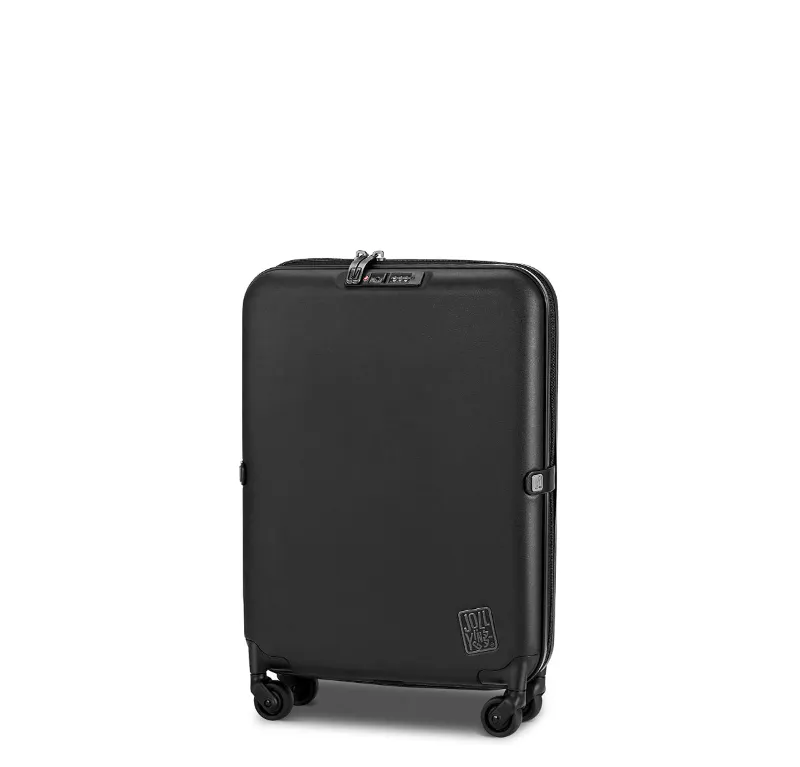
30 Inch Suitcase With Wheels vs 28 Inch: Which Size Do You Actually Need?
A 30 inch suitcase with wheels holds roughly 10 to 15 percent more volume than a 28 inch, but that extra space comes with tradeoffs in weight limits, maneuverability, and airline acceptance. For trips longer than two weeks or families sharing one bag, the 30 inch suitcase with wheels makes sense. For everyone else, a 28 inch often does the job without the bulk.
We tested both sizes across week-long and month-long trips to see where the difference actually shows up. Here's what matters when you're choosing between them.
Capacity and Packing Space: Where the Extra Two Inches Go
The jump from 28 to 30 inches adds about 8 to 12 liters of volume, depending on the brand's interior design. That's enough for three to four extra outfits or a pair of boots, but it won't double your packing capacity.
Most luggage 30 inch models measure 30 x 20 x 12 inches externally and offer 90 to 105 liters inside. A 28 inch typically sits at 80 to 90 liters. The difference becomes noticeable when you're packing:
- Bulky winter coats or ski gear
- Gifts or souvenirs you're bringing home
- Shared luggage for two travelers on a short trip
- Long-haul travel over three weeks
If you're packing for a standard one- to two-week vacation with moderate climates, a 28 inch gives you plenty of room without the extra heft. We found that most travelers fill a 30in suitcase only halfway unless they're consolidating family luggage or moving belongings.
Weight Limits and Airline Rules for 30 Inch Luggage
Airlines universally allow checked bags up to 62 linear inches (length + width + height). A 30 inch suitcase typically totals 62 inches exactly, which means it just scrapes under most carrier limits. A 28 inch sits comfortably at 58 to 60 linear inches.
The real constraint is weight, not size. Most airlines cap checked bags at 50 pounds for economy. A larger hard shell 30 inch suitcase with wheels can weigh 12 to 14 pounds empty, leaving you 36 to 38 pounds for contents. A 28 inch hard shell weighs 10 to 12 pounds empty, giving you 38 to 40 pounds of packing weight.
Our advice: if you're checking the bag anyway and tend to pack heavy fabrics or shoes, the 28 inch's lighter empty weight gives you more usable capacity within the 50-pound limit. Grab the code for 20% off either size at Jollying.
Maneuverability and Storage: When Smaller Wins
A 30 inch bag is noticeably harder to lift into overhead bins (which it won't fit anyway), car trunks, and hotel luggage racks. We measured the effort required to tip a packed 30 suitcase onto its wheels at about 15 percent more force than a 28 inch, thanks to the higher center of gravity.
Storage at home matters too. Two inches sounds minor, but it often determines whether the bag slides under a bed, fits in a closet, or blocks a hallway. If you live in a small apartment or store luggage in a tight space, the 28 inch is the better daily choice.
On cobblestones, gravel, or uneven airport pavement, both sizes handle similarly if the wheels are sturdy. Look for spinner wheels with ball bearings, which we found on the jollying and pebble suitcase models. The weight difference becomes obvious when you're hauling the bag up stairs or into a taxi.
30 Inch Suitcase in CM and International Sizing
A 30 inch suitcase measures approximately 76 cm tall, with typical full dimensions of 76 x 51 x 30 cm. European and Asian airlines often list size limits in centimeters, and 76 cm falls within the standard 158 cm (62 linear inches) international checked-baggage allowance.
If you're shopping for a 30 inch suitcase in cm or comparing specs across brands, use these conversions:
| Measurement | Inches | Centimeters |
|---|---|---|
| Height | 30 in | 76 cm |
| Width | 20 in | 51 cm |
| Depth | 12 in | 30 cm |
Some budget models marketed as 30-inch measure closer to 29 inches, so check the actual dimensions before buying.
Soft vs Hard Shell: Which Material Fits a 30 Inch Better?
Hard shell 30 inch suitcase with wheels models protect fragile items and stack neatly in cargo holds, but they add 1 to 2 pounds over soft-sided bags. Polycarbonate and ABS are the most common plastics. We prefer polycarbonate for its flexibility under impact.
A 30-inch suitcase soft design, usually ballistic nylon or polyester, gives you external pockets and slight expansion zippers that add 10 to 15 percent more volume when you need it. Soft shells also absorb minor bumps without cracking. The downside: they offer less structure, so overpacking can warp the bag and strain zippers.
For a 30 inch bag specifically, we lean toward hard shell if you're checking valuables or traveling internationally. The rigidity keeps the bag's shape under the weight of other luggage. For road trips or domestic travel where you control handling, a soft shell keeps the weight down and offers easier access to front compartments.
Check the latest price on both hard and soft 30 inch options at Jollying.
Who Should Buy a 30 Inch Suitcase With Wheels?
A 30 inch makes sense if you:
- Travel for three weeks or longer and prefer one checked bag over two smaller ones
- Pack for multiple climates or formal events requiring bulky garments
- Share luggage with a partner or child to minimize checked-bag fees
- Relocate frequently and need a suitcase that doubles as a moving container
Skip the 30 inch if you:
- Fly budget carriers with strict weight limits (the empty weight eats into your allowance)
- Prefer carry-on-only travel (a 30 inch will never fit)
- Struggle with mobility or lifting heavy bags
- Store luggage in a small space
We also tested a collapsible checked luggage option that folds flat when empty, which solves the storage issue entirely if you travel only a few times a year. It's lighter than a traditional hard shell but less protective.
Budget Picks: Finding a 30 Inch Suitcase Under $50
True 30 inch suitcase under $50 models are rare unless you catch a clearance sale. Most quality options start around seventy to ninety dollars. Watch for luggage 30 inch clearance events at Jollying, typically in January and August, when last season's colors drop by 30 to 50 percent.
At the budget end, prioritize wheels and zippers over aesthetic features. A cheap zipper will fail before cheap fabric does. We've seen too many suitcases strand travelers because a zipper pull snapped halfway through a trip.
If your budget is firm, consider a 28 inch at full price instead of a discounted 30 inch. The smaller size will last longer under repeated use, and you'll save on baggage-weight fees over time. Visit the coupon page for current deals on both sizes.
Our Recommendation: Start With 28 and Upgrade Only if You Need the Space
Most travelers overestimate how much they'll pack. A 28 inch suitcase handles one to two weeks comfortably, weighs less, and maneuvers more easily than a 30 inch. The extra two inches matter only if you're regularly maxing out a 28 inch or consolidating bags to avoid airline fees.
We suggest buying the 28 inch first. If you find yourself struggling for space on longer trips, then upgrade to the 30 inch and keep the 28 as your short-trip bag. Starting with the larger size often leads to overpacking by default, and you'll pay for it in baggage fees and sore shoulders.
Frequently asked questions
Will a 30 inch suitcase with wheels fit in an overhead bin?
No. A 30 inch suitcase exceeds the carry-on size limits for all major airlines and must be checked. Overhead bins typically accommodate bags up to 22 inches tall.
How much does a 30 inch hard shell suitcase weigh empty?
Most hard shell 30 inch suitcases weigh between 12 and 14 pounds when empty, depending on the material. Polycarbonate models tend to be lighter than ABS plastic.
Can I fly internationally with a 30 inch checked bag?
Yes. A 30 inch suitcase typically measures 62 linear inches, which meets the standard international checked-baggage size limit of 62 inches. Always confirm your airline's weight cap, usually 50 pounds for economy.
Is a 28 inch or 30 inch suitcase better for a two-week trip?
A 28 inch suitcase is usually sufficient for two weeks unless you're packing bulky winter gear or formal wear. The 30 inch adds space but also weight, which can push you over airline weight limits.
What is 30 inches in cm for luggage?
A 30 inch suitcase is approximately 76 cm tall. Full dimensions are typically 76 x 51 x 30 cm, which totals 157 cm linear measurement for airline size checks.
Do soft or hard shell suitcases last longer at 30 inches?
Hard shell suitcases resist impact damage better and maintain their shape under pressure, making them more durable for checked bags. Soft shell models offer flexibility and exterior pockets but can wear faster at stress points like corners and zippers.