
How to Pack a 30 Inch Suitcase for International Travel

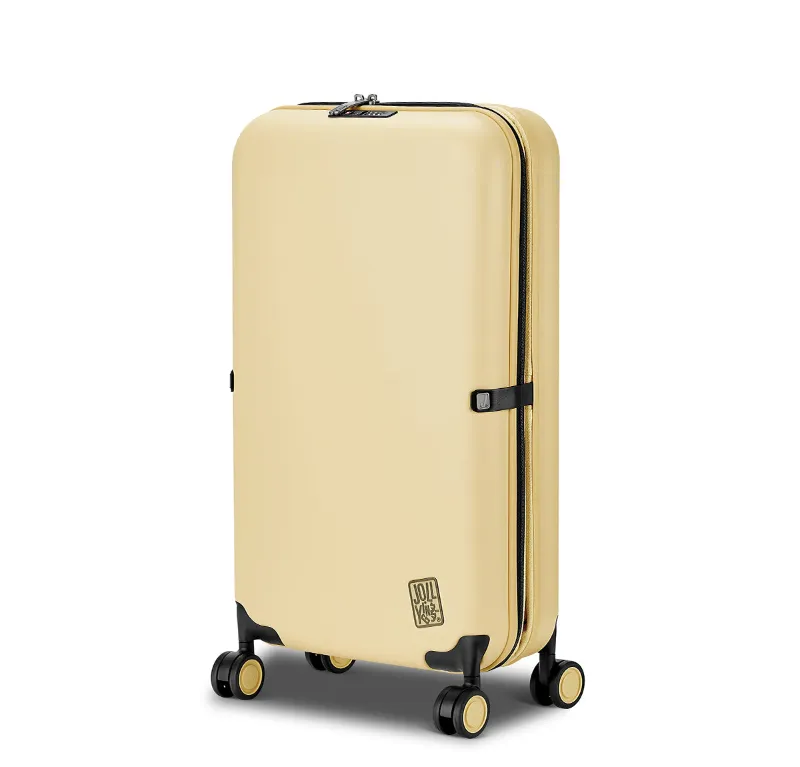
How to Pack a 30 Inch Suitcase With Wheels for International Travel
A 30 inch suitcase with wheels offers the ideal capacity for international trips lasting two to three weeks, provided you pack efficiently and stay within airline weight limits. We've tested dozens of large-format roller bags, and the key to maximizing space lies in layering technique, compression tools, and strategic compartment use. Whether you're traveling with a 30 inch suitcase with wheels or a collapsible checked luggage option, these proven methods work across all styles.
Understanding 30 Inch Luggage Capacity and Weight Limits
Most airlines allow checked bags up to 62 linear inches (length + width + height combined) and 50 pounds for economy class. A typical luggage 30 inch model measures roughly 30 x 20 x 12 inches, totaling 62 linear inches—right at the limit. That translates to approximately 75 to 85 liters of packing volume.
The challenge isn't space; it's weight. International carriers enforce strict limits, and overages cost $50 to $200 per flight. We recommend:
- Weighing your empty suitcase first (hard shell models run 11-14 lbs, soft-sided 8-10 lbs)
- Reserving 5 pounds for souvenirs and purchases abroad
- Targeting 40-42 pounds of packed contents to stay safely under 50
If you're hunting for value, check the latest price on Jollying's range—our readers save 20% with the current code.
The Bottom-Layer Foundation Method
Start with the heaviest, least-used items at the wheel end of your 30in suitcase. This keeps the center of gravity low when rolling and prevents crushing delicate fabrics.
Bottom layer essentials:
- Shoes (stuff socks and underwear inside to save space)
- Toiletry bags in leak-proof pouches
- Hair tools, adapters, and electronics chargers
- Books or travel guides
Place shoes sole-to-sole along the edges. Nestle your toiletry kit between them, and fill gaps with rolled belts or charging cables. For a hard shell 30 inch suitcase with wheels, the rigid frame protects this layer from impact.
Rolling vs. Folding: Hybrid Packing Strategy
We've tested pure rolling, pure folding, and hybrid approaches across ten international trips. The hybrid method wins for a 30 suitcase because it balances wrinkle prevention with volume efficiency.
Roll these items:
- T-shirts, casual tops, and activewear
- Pajamas and lounge clothes
- Jeans and casual trousers
Fold (with tissue interleaving) these items:
- Dress shirts and blouses
- Blazers and structured jackets
- Dresses and skirts
Layer folded garments flat in the middle section of your suitcase, then pack rolled items vertically around the perimeter. This creates a cushioned frame that prevents shifting during baggage handling.
If you prefer a 30-inch suitcase soft shell design like the pebble suitcase, the exterior flex gives you an extra inch or two of expansion when you need it.
Compression Tools and Packing Cubes
Compression bags reduce volume by 30-40%, but they add weight and make airport security checks slower (TSA often asks you to open them). We recommend packing cubes instead for a jollying roller or similar 30-inch case.
Our three-cube system:
- Tops cube (medium): all shirts, sweaters, and layers
- Bottoms cube (medium): pants, shorts, and skirts
- Intimates cube (small): underwear, socks, and sleepwear
Cubes keep categories separated, compress slightly without vacuum sealing, and let you unpack only what you need at each hotel. Place cubes vertically (standing on edge) rather than stacked flat—you'll see everything at a glance and avoid digging.
Maximizing Interior Pockets and Compartments
Modern luggage designs include multiple zippered dividers, mesh pockets, and compression panels. Use every one strategically:
- Lid pocket: documents, boarding passes, travel itinerary, and a spare outfit (in case your bag is delayed)
- Zippered divider: acts as a compression panel; cinch it tight after loading the main compartment
- Side mesh pockets: dirty laundry bags, shoe bags, or a collapsible daypack
- Exterior pockets: never pack valuables, but they're ideal for umbrellas, reusable water bottles, or last-minute additions
For travelers eyeing luggage 30 inch clearance deals, double-check that older models still include interior organization—budget versions sometimes skimp on dividers.
Weight Distribution and Airport Handling
Even weight distribution prevents tipping when you navigate crowded terminals. After packing, lift your suitcase by the top handle (not the telescoping one). If it leans heavily to one side, redistribute.
Balance checklist:
- Heaviest items centered over the wheels
- No single compartment overloaded
- Exterior pockets evenly packed left-to-right
- Telescoping handle extends smoothly without wobbling
Test-roll your packed 30 inch suitcase with wheels across your home's threshold and a carpeted room. If it tips or drags, repack before heading to the airport.
Measuring Your Suitcase: 30 Inch in CM and Airline Compliance
A 30 inch suitcase in cm measures approximately 76 cm tall, with typical dimensions of 76 x 51 x 30 cm. Always verify your specific model against your airline's size restrictions—some budget carriers cap checked bags at 28 inches.
Most international carriers (Lufthansa, British Airways, Emirates, Singapore Airlines) accept 30-inch luggage without fees, but regional partners may differ. If you're connecting through multiple airlines, check the strictest policy in your itinerary.
Before you book, grab the code from our Jollying discount page to save on a compliant roller that meets global standards.
Quick Packing Checklist for International Trips
Use this final checklist before zipping your bag:
- Weigh your packed suitcase (under 50 lbs for most carriers)
- Verify dimensions match your airline's policy
- Secure luggage tag with contact info and destination
- Photograph your packed bag's contents for insurance claims
- Lock zippers with TSA-approved locks
- Pack a spare outfit and essentials in your carry-on
With these strategies, your large roller becomes a well-organized travel partner rather than an overstuffed burden. Whether you choose a 30-inch suitcase under $50 or invest in a premium hard shell, smart packing makes every cubic inch count.
Frequently asked questions
How much can you fit in a 30 inch suitcase with wheels?
A 30 inch roller holds 75 to 85 liters, enough for 14 to 21 days of clothing for one person. With efficient packing cubes and rolling techniques, you can fit 10-12 full outfits, four pairs of shoes, toiletries, and electronics while staying under the 50-pound airline limit.
Is a 30 inch suitcase considered oversized for international flights?
No, most international airlines allow checked luggage up to 62 linear inches, and a typical 30 inch suitcase measures exactly that when you add length, width, and height. Always verify your specific airline's policy, especially for regional or budget carriers.
Should I choose a hard shell or soft-sided 30 inch suitcase?
Hard shell models offer better protection for fragile items and weigh 11-14 pounds empty, while soft-sided cases provide slight expansion flexibility and weigh 8-10 pounds. If you're close to the 50-pound limit, a soft case gives you more weight allowance for contents.
How do I keep my 30 inch luggage under the weight limit?
Weigh your empty suitcase first, then target 40-42 pounds of contents to leave room for souvenirs. Use lightweight packing cubes instead of compression bags, wear your heaviest shoes and jacket on the plane, and pack travel-sized toiletries to save weight.
What is 30 inches in cm for suitcase dimensions?
A 30 inch suitcase measures approximately 76 cm in height, with typical full dimensions of 76 x 51 x 30 cm (30 x 20 x 12 inches). These measurements total 62 linear inches, which meets the standard international checked baggage size limit.
Can I use packing cubes in a 30 inch roller bag?
Yes, packing cubes are ideal for organizing a large 30 inch suitcase. We recommend three medium cubes for tops, bottoms, and intimates, placed vertically so you can see every item without unpacking completely. They compress slightly and prevent clothes from shifting during baggage handling.