
Why Do 8Lien Carbon Wheels Make Noise? Common Hub and Spoke Fixes Explained

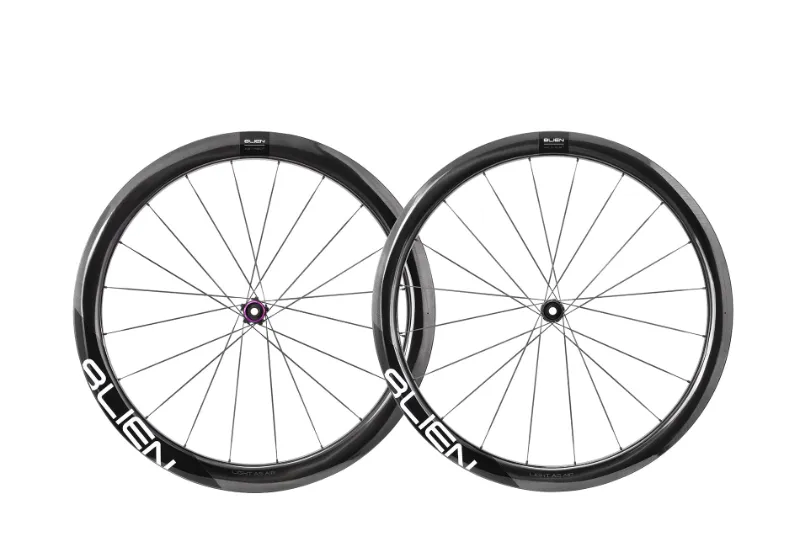
Noisy 8Lien carbon wheels are almost never a problem with the carbon itself. The clicking, pinging, and creaking you hear comes from two places: the free wheel hub internals or the spokes settling into the rim. Both are normal to some degree, both are fixable at home, and neither means you bought a bad wheelset.
We ride and service direct-order carbon wheelsets all the time, including chinese carbon wheels like the 8Lien range, and the noise complaints we see break down into a short list of causes. Here is how to diagnose yours and what to do about each one.
Where the Noise Actually Comes From on Chinese Carbon Wheels
Carbon rims themselves are quiet. If your wheelset makes noise, work through these sources in order:
- Freehub pawls and ratchet rings. The most common source of clicking, buzzing, or grinding when coasting.
- Spoke seating. New spokes bed into the rim and hub flange, producing pings and creaks for the first few hundred kilometres.
- Spoke nipples against the rim bed. On rims without full internal rim tape coverage, nipples can creak under load.
- Hub bearing preload or dry bearings. A rough, dry growl rather than a click.
- Thru-axle or skewer fit. A loose or dry axle can transmit creaks that sound like they come from the hub.
A quick test: lift the bike, spin the wheel, and coast. Noise while coasting points at the freehub. Noise only under pedalling load points at spokes, nipples, or axle fit.
Freehub Noise: Pawls, Springs, and Grease
The free wheel hub is the part that clicks as you coast. Direct-order wheels often ship with lighter freehub lubrication than big-brand wheels, so the ratchet mechanism sounds louder out of the box. Louder does not mean worse. Some riders specifically seek out that buzz.
If your freehub noise is more than cosmetic, here is the fix sequence:
- Remove the cassette and pull the freehub body per the manufacturer's instructions. Most 8Lien wheels use a standard splined freehub that slides off once the retaining bolt or ring is removed.
- Inspect the pawls and springs. Look for a pawl that is stuck down, a weak or dislodged spring, or debris packed around the ratchet ring.
- Clean out old grease with a degreaser and let everything dry.
- Relube with a medium-weight freehub grease. Light oil makes the engagement louder and wears faster; heavy grease can make pawls stick in cold weather. A medium freehub-specific grease is the sweet spot.
- Reassemble and test engagement before the wheel goes back in the frame.
If the freehub body is cracked, the ratchet ring teeth are chipped, or a pawl is broken, replace the free wheel hub body rather than the whole wheelset. Spares are inexpensive and usually a direct swap. We keep a spare free wheel hub on the shelf for exactly this reason, since a body swap takes twenty minutes and brings a wheelset back to full engagement.
Engagement noise that changes pitch or turns into grinding under load is different. That usually means a bearing issue rather than a pawl issue, so check bearing preload and spin before you open the freehub.
Spoke Pings and Creaks: Seating and Tension
Pinging or creaking that only happens under pedalling load is almost always spokes settling. This is expected on any new wheelset, direct-order or not, because spokes stretch slightly and rotate into their final seated position against the nipple and rim.
- Stress-relieve the wheel. Grab pairs of parallel spokes and squeeze firmly, working around the wheel, then repeat. You will often hear pings as spokes seat. Do this two or three times.
- Check tension. A spoke tensiometer is cheap and takes the guesswork out. Uneven tension on one side is the real cause of most persistent creaks.
- True while you are there. If stress-relieving knocked the wheel out of true by more than a millimetre, a small nipple adjustment brings it back.
- Reseat nipples on carbon rims. On some carbon rims, a drop of light oil at the nipple-rim interface stops creak without affecting tension.
If the creak survives a proper stress-relieve and tension check, move on to the axle and skewer, then the cassette lockring. Dry cassette splines are a classic fake spoke-creak.
Quick Diagnosis Table
| Symptom | Likely cause | Fix |
|---|---|---|
| Loud click or buzz while coasting | Freehub pawls, light factory grease | Clean and relube freehub, or enjoy the sound |
| Intermittent clunk when engaging pedals | Stuck pawl or worn ratchet ring | Service or replace the freehub body |
| Pings in first few hundred km | Spokes seating | Stress-relieve spokes, recheck tension and true |
| Creak only under hard pedalling | Nipples, axle fit, or dry cassette splines | Oil nipples, check axle torque, grease splines |
| Dry growl when spinning by hand | Hub bearings | Check preload, replace bearings if rough |
Loud Freehub vs Silent Freehub: Does It Matter?
Riders coming from Shimano or Fulcrum wheels are often surprised by how loud direct-order hubs are. It is a design choice: fewer, larger pawls or ratchet rings engage faster but click harder. Loudness is not a quality signal in either direction.
What matters is consistent engagement. If the freehub picks up instantly every time and there is no clunk or skip, it is healthy. If you are sensitive to noise, a medium-weight freehub grease will mute most of it, and some riders run a slightly heavier grease purely for quietness. Just avoid packing so much grease in that pawls stick in winter.
Are Direct-Order Carbon Wheelsets Still Worth It?
Yes, and the noise conversations online tend to overstate the downside. Long-term tests of budget carbon rims, including this Cheap Chinese Carbon Rims, Long Term Tested review, have shown that well-made direct-order rims survive serious off-road use. Independent breakdowns like the Chinese Carbon Wheels guide cover the same ground for road wheels.
The trade is straightforward: you get a lighter, deeper carbon wheelset for a fraction of big-brand pricing, and in exchange you handle small maintenance like freehub servicing and spoke tensioning yourself. That is a good trade for most riders, especially since a freehub service takes twenty minutes.
We run chinese wheels carbon wheelsets as our daily trainers precisely because spares are cheap and the maintenance is simple. If you are choosing a set now, the 8lien wheels range covers road, gravel, and MTB builds, and you can check the latest price and grab the code on our 8Lien discount page before ordering.
One last note on fit: if you are moving from rim brake to disc, or sizing a new frame, double-check axle standard, brake rotor mount, and cassette body before buying. Most "noisy wheel" complaints from brand-new owners turn out to be a mismatched part rather than a fault.
Who Should Buy These Wheels (and Who Should Not)
- Good fit: riders comfortable with basic home maintenance who want deep-section carbon on a budget.
- Good fit: anyone running a trainer or winter bike where a loud freehub is irrelevant.
- Think twice: riders who want fully silent hubs out of the box and zero tools in the garage.
- Think twice: anyone unwilling to check spoke tension periodically. Any wheelset, at any price, needs it.
Noise from an 8Lien wheelset is a maintenance question, not a verdict on the product. Diagnose with the coast test, service the free wheel hub if needed, stress-relieve the spokes, and the wheelset will run as quiet as anything else you have owned.
Frequently asked questions
Is it normal for 8Lien wheels to click loudly when coasting?
Loud clicking while coasting usually means the freehub grease is light from the factory or the pawls need cleaning and relubing. It is not a defect. A medium-weight freehub grease will mute it, and consistent instant engagement means the hub is healthy.
How do I fix a noisy free wheel hub on chinese carbon wheels?
Pull the freehub body after removing the cassette, clean out old grease, check the pawls and springs, then relube with a medium freehub grease and reassemble. If a pawl or ratchet ring is damaged, replace the freehub body rather than the whole wheelset.
Why do my spokes ping or creak under pedalling?
New spokes settle into the rim and hub flange over the first few hundred kilometres. Grab pairs of parallel spokes and squeeze firmly around the wheel to stress-relieve them, then recheck tension and true. The pings should disappear once the spokes are seated.
When is wheel noise a sign of a real problem?
A consistent click or buzz when coasting is normal freehub noise. Grinding, rough spinning by hand, or clunking when pedals engage points at bearings or a worn ratchet mechanism and needs attention.
Are chinese carbon wheels durable enough for daily riding?
Yes. Independent long-term tests have shown that well-made direct-order carbon rims hold up to hard off-road and road use. The trade-off is that you handle small maintenance like freehub servicing and spoke tensioning yourself.
Why are direct-order wheels louder than big-brand wheels?
Freehub lubrication from the factory is often lighter, so the ratchet is louder out of the box. Loudness is a design choice, not a quality signal. If the engagement is instant and consistent, the hub is fine.