
How to Check and True a Free Wheel Hub Before Your First Ride

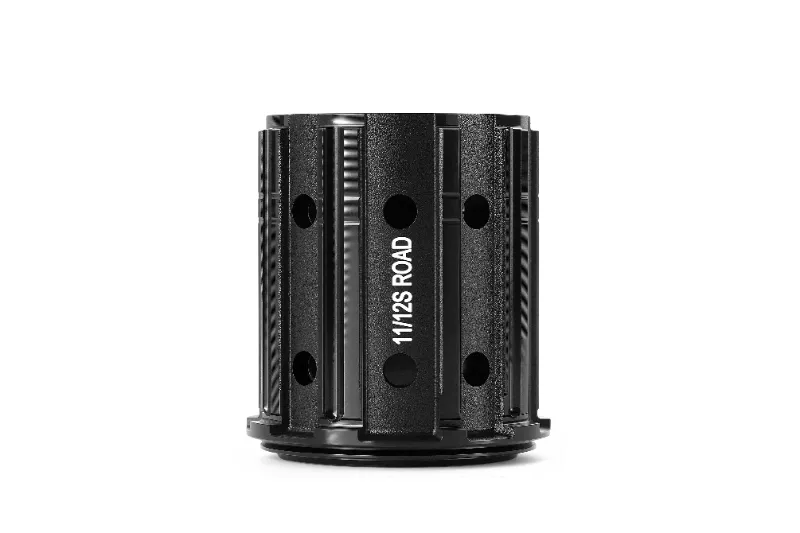
A free wheel hub needs two quick checks before your first ride: spin it to confirm the ratchet engages and releases cleanly, then true the wheel so the rim runs within a fraction of a millimeter side to side. Both take about fifteen minutes with a spoke wrench and a stand (or your bike frame as a makeshift jig), and skipping them is the most common reason a fresh wheelset feels rough out of the box.
We test a lot of wheelsets at The Planet Deals, including budget chinese carbon wheels and complete builds from 8lien wheels, and shipping knocks almost every wheel slightly out of true. Here is exactly how we check and true one before it ever touches the trail.
What a Free Wheel Hub Actually Does
The free wheel hub is the part that lets the wheel spin forward while you coast and drive the wheel when you pedal. Inside, a ratchet and pawl system (or a set of sprags, depending on the design) engages when the driver turns forward and clicks free when it does not. If you want a deeper dive on how these mechanisms differ across brands, this freehub explainer from Cyclist covers the main designs well.
It is worth knowing the difference between a freehub and a freewheel, because the check process changes slightly. A freehub body is built into the hub and the cassette slides onto it. A freewheel screws onto the hub threads, which is what you find on a classic freewheel hub single speed setup or on older cruisers like a free wheel hub land cruiser build. If you are unsure which one you have, this freewheel vs freehub guide walks through how to tell them apart. Our free wheel hub listing lists the exact interface, so check that before buying cogs or a cassette.
First Check: Spin and Engage the Hub
Before touching any spokes, verify the hub itself is healthy.
- Hold the wheel by the axle and spin the rim. It should coast freely for several seconds with no gritty feeling or grinding noise.
- Backpedal and pedal. You should hear even, rapid ratchet clicks engaging. A hub that skips under load, hesitates, or catches intermittently has a pawl or driver problem that truing will not fix.
- Grab the rim and rock it side to side. A tiny bit of play can be bearing preload; anything more needs adjustment before you ride.
- Listen for dryness. A loud, dry ratchet on a new hub is usually fine, but a rasping metal-on-metal sound suggests it shipped without enough grease. Most quality hubs ship pre-greased, and the rinasclta freehub maintenance guide covers how to service one properly if yours sounds off.
If the hub passes, move on to truing. If it fails, stop and contact the seller. Do not ride on a hub that skips under load.
Truing the Wheel: The Basic Method
Truing means adjusting spoke tension so the rim runs straight between the brake pads. You do not need a professional truing stand for a small correction.
- Mount the wheel in the frame or fork. Leave a few millimeters of gap between the rim and the brake pads, or zip-tie a feeler to the fork leg as a reference point.
- Spin the wheel slowly and watch the gap. Mark where the rim moves toward the reference. A deviation under about 0.5mm is fine for most disc brake wheels; a visible wobble at the pads needs correction.
- Find the spokes on the side the rim is drifting toward. Loosening those pulls the rim back; tightening the opposite side does the same.
- Turn the nipple a quarter turn at a time. Small moves only. Spin, check, repeat. Most shipping wobbles take two or three adjustments total.
- Check radial runout too. Watch the rim move up and down as it spins. Low spots mean the opposite spokes need a touch more tension.
- Squeeze pairs of spokes afterward. They should feel firm and reasonably even. A wheel that sounds dead and dull in spots is undertensioned and will go out of true fast.
One warning for carbon: never grab carbon rims with pliers, and do not overtighten nipples into a carbon rim bed. If you are buying a carbon wheelset, our reviews of chinese carbon wheels and other chinese wheels carbon options include notes on how well each ships trued, because quality control varies a lot between sellers. A well-packed 8lien wheels build usually arrives close to true and needs only minor touching up.
Freehub vs Freewheel: Which One Are You Truing Around?
This matters for the check sequence, so here is a quick comparison.
| Feature | Freehub (built into hub) | Freewheel (screws onto hub) |
|---|---|---|
| Common on | Modern MTB, road, gravel wheels | Single speed, kids bikes, cruisers |
| Freewheel mechanism | Inside the hub body | Inside the screwed-on cluster |
| Removal | Cassette lockring tool | Freewheel remover tool |
| Truing concern | Ratchet play inside the hub | Cluster can wobble slightly, which is normal |
On a freewheel hub single speed build, a small amount of wobble in the cluster itself is normal and does not mean the wheel is out of true. Watch the rim, not the cogs. On a free wheel hub bike with a cassette, any skip or lateral play under pedaling load points to the hub, not the spokes.
Sizing and Compatibility Before You Ride
Check three things before your first ride so you are not adjusting mid-ride:
- Axle standard. Thru-axle or quick release, and the exact width (12x148 Boost and 12x142 are the common MTB sizes).
- Driver interface. Shimano HG, SRAM XDR, or Micro Spline. Your cassette must match the free wheel hub body.
- Rotor mount. 6-bolt or Center Lock, and confirm the rotor matches your caliper.
If any of that reads like a different language, the store page for the free wheel hub spells out the spec, and our 8lien wheels listing lists compatible drivers. Pairing the hub with one of the chinese carbon wheels rim options is a popular budget build, and you can check the latest price on both before you commit. That coupon page also carries our current code, so grab the code before checkout if you are building a wheelset piece by piece.
Final Pre-Ride Checklist
Run through this before you roll out:
- Hub spins freely and ratchets evenly with no skipping under hand pressure
- Lateral truing within about 0.5mm at the brake track
- Spoke tension firm and even, no loose or pinging spokes
- Axle, cassette, and rotor all tightened to the torque marked on the parts
- QR or thru-axle lever closed firmly
A wheel that passes all five is ready. If anything on that list fails after your own truing attempt, do not grind through it; a shop truing session is cheap insurance compared to a tacoed wheel. And once the wheel is dialed in, it will stay that way through months of riding with an occasional squeeze-and-spin check.
Frequently asked questions
How do I tell if my bike has a freehub or a freewheel?
Look at where the cogs attach. If the cassette slides onto a splined body that is part of the hub and is held by a lockring, it is a freehub. If the whole cluster screws off as one piece with a remover tool, it is a freewheel, which is typical on single speed and cruiser bikes.
How much wobble is acceptable on a new free wheel hub wheel?
For a wheel that arrived slightly out of true, aim for lateral runout within about 0.5mm at the brake track, which you can measure with a feeler or a zip-tie reference. A visible wobble at the brake pads means it needs correction before riding.
Can I true a wheel without a truing stand?
Yes, for small corrections. Mount the wheel in your frame or fork and use a zip-tied reference point against the fork or stay to see the wobble. A truing stand just makes the process faster and more precise.
What are the warning signs a new hub needs service before riding?
Skipping under load, grinding or gritty spinning, hesitation before the ratchet engages, or more than a tiny amount of side-to-side play at the rim. Those are internal hub issues that truing spokes will not fix, so contact the seller instead of riding.
How do I know if a cassette fits my free wheel hub?
Check the driver interface listed on the product page, such as Shimano HG, SRAM XDR, or Micro Spline, and match it to your cassette. On single speed freewheel setups, match the thread type and the number of teeth on the cog.
Does a new free wheel hub need greasing before the first ride?
Most quality hubs ship with grease on the ratchet mechanism. A loud, even ratchet is normal, but a dry metal-on-metal rasp suggests insufficient lubrication. If you hear that, service it before riding.