
How to Add LED Lights to Your Hot Wheels: A Step-by-Step Guide

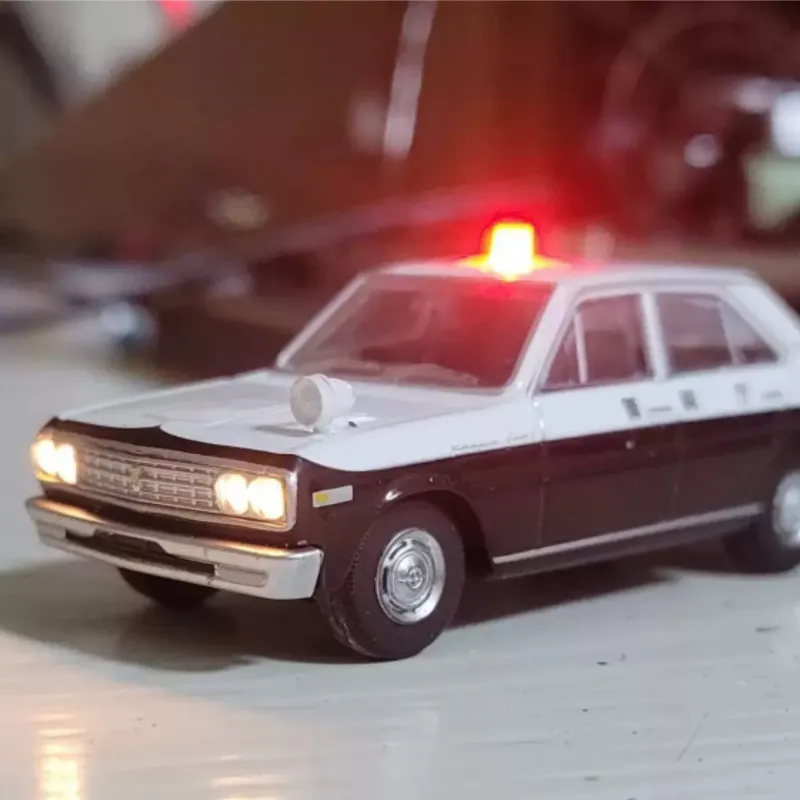
Adding LED lights to custom hot wheels transforms ordinary diecast cars into eye-catching display pieces with functional headlights, taillights, and underglow. We've tested dozens of LED installation methods across JDM builds, muscle cars, and custom trucks, and this guide walks you through the proven techniques that work at 1:64 scale.
What You Need to Add Lights to Custom Hot Wheels
The right tools and components make LED installation straightforward, even in tight diecast bodies. Here's what we use:
- Micro LEDs (0402 or 0603 SMD size) in warm white, red, or your chosen color
- Coin cell batteries (CR1220 or CR1225, depending on body clearance)
- 30-gauge magnet wire for connections that fit inside cramped chassis
- Soldering iron with a fine tip (0.5mm or smaller)
- Flush cutters to trim leads without damaging paint
- Clear epoxy or UV resin to secure components and diffuse light
- Drill bits (0.5mm to 1mm) for creating light ports in the body
We source most micro components from electronics suppliers, though some builders salvage SMD LEDs from old circuit boards. When working on a takumi ae86 or other JDM custom hot wheels builds, warm white LEDs deliver the most realistic headlight appearance.
Step-by-Step LED Installation Process
1. Plan Your Light Placement
Remove the base plate and study the interior space. Most Hot Wheels bodies leave 2-4mm of clearance between the chassis and roof. Mark where you want headlights, taillights, or underglow, then drill pilot holes from the inside out using a pin vise to avoid cracking the paint.
2. Prep and Test Your LEDs
Solder 20-25mm leads of magnet wire to each SMD LED before installation. Test polarity with your battery: the longer lead (anode) connects to positive. We always test circuits outside the body first to avoid rework in tight quarters.
3. Mount the Battery
Position the coin cell where it won't interfere with axles or the base plate. On builds with accessories like a nos bottle or spoiler diecast parts, the battery often fits best under the hood or in the trunk area. Use a small dab of epoxy to secure it, leaving wire access points clear.
4. Wire Your Circuit
Run the positive lead from the battery to your LED anodes, then return all cathodes to the battery's negative terminal. For multi-LED setups, wire LEDs in parallel rather than series to maintain brightness. Route wires along existing chassis details or under the body to keep them hidden when the base plate is reinstalled.
5. Secure and Diffuse
Once your circuit works, apply a tiny drop of clear epoxy over each LED. This anchors the component and acts as a lens to spread the light. For headlights, we sometimes add a second layer after the first cures to build up a more realistic lens shape.
6. Seal the Base
Drill a small notch in the base plate if needed for wire clearance, then snap it back into place. Some builders add a micro slide switch in the base for on/off control, though most leave the circuit always-on for display in a 1 64 scale garage diorama.
Check the latest pricing and grab our code before starting your LED project.
LED Lighting Techniques for Different Builds
| Build Type | Best LED Placement | Power Consideration |
|---|---|---|
| JDM cars (AE86, 370Z) | Headlights + red taillights | Single CR1220, 2-4 LEDs |
| Muscle cars / trucks | Headlights + underglow | CR1225 for longer runtime |
| Custom hot wheels trucks | Roof lights + bed lighting | Larger battery fits easily |
When upgrading wheel fitment with 370z nismo wheels or blitz 03 wheels, plan your wiring before swapping wheels. Some aftermarket wheel sets require slight chassis modification that can interfere with LED placement.
Pairing LED Lights with Custom Hot Wheels Parts
LED installations shine brightest when combined with other detail upgrades. We often add lighting during engine swaps, particularly when installing a detailed 13b rotary engine that benefits from underhood illumination. Clear engine bay lighting shows off the engine detail when displayed with the hood open.
For builds destined for an initial d diorama or similar scene, red taillights add realism during posed shots. Consider your display context: underglow works well for street-racing themes, while clean headlight-only setups suit show-car presentations.
When building custom hot wheels for sale or as gifts, working lights dramatically increase perceived value. We've found that custom hot wheels for boyfriend gifts especially benefit from this detail, as it demonstrates the extra time invested in the build.
Troubleshooting Common LED Installation Issues
Lights flicker or dim quickly: Your battery is likely compressed or making poor contact. Add a thin foam pad between the battery and body to maintain steady pressure, or check that your solder joints aren't creating resistance.
LED doesn't fit in the body: Switch to a smaller 0402 SMD or recess the LED deeper into the body by drilling a larger pocket. We've successfully fit LEDs in even the tightest custom hot wheels packaging by countersinking the mounting hole.
Light color looks wrong: Warm white (2700-3000K) reads as realistic headlights, while cool white appears blue and toy-like. Red LEDs should be deep red, not orange-red, for convincing taillights.
Paint damage during drilling: Always drill from inside out, use sharp bits, and apply painter's tape to the exterior before drilling if you're working near detailed paint or decals.
Displaying and Maintaining Lit Custom Hot Wheels
Once your build is complete, display it with our discount alongside other detailed customs. LEDs draw minimal power, but coin cells typically last 8-12 hours of continuous use. For permanent displays, consider wiring to an external USB power bank hidden in your 1 64 scale garage diorama base for unlimited runtime.
Store lit customs with the circuit disconnected if they'll sit unused for months. A small strip of paper between the battery and contact prevents drain. Clean lens areas with a dry microfiber cloth; avoid solvents that might cloud the epoxy lens or damage surrounding paint.
The Hot Wheels community regularly shares new LED techniques and micro-electronics sources. As components shrink and become more accessible, even complex lighting effects like sequential turn signals or pulsing underglow are becoming feasible at 1:64 scale.
Whether you're lighting a single hero car or an entire collection, the techniques above work across any casting. Start with a simple two-LED headlight setup on a casting with generous interior space, then progress to more ambitious multi-LED builds as your soldering skills improve.
Frequently asked questions
What size LED fits inside a 1:64 scale Hot Wheels car?
0402 and 0603 SMD LEDs fit most Hot Wheels bodies. The 0402 size (1mm × 0.5mm) works in the tightest builds, while 0603 (1.6mm × 0.8mm) is easier to solder and still fits cars with moderate interior clearance.
How long does a coin cell battery last in a custom hot wheels build?
A CR1220 or CR1225 coin cell typically powers 2-4 micro LEDs for 8-12 hours of continuous use. For display purposes where lights run only during photos or short viewing sessions, a single battery can last several months.
Can I add LED lights without soldering?
Conductive paint or copper tape can create circuits for very simple single-LED setups, but soldering provides the most reliable connections in the limited space of a diecast car. The joints are small and beginner-friendly with a fine-tip iron.
Do LED lights work with metal diecast bodies?
Yes, but you must insulate all positive leads and components from the metal body to prevent shorts. Use heat-shrink tubing, electrical tape, or a thin layer of epoxy on wire contact points, and plan your layout so the negative circuit can safely ground to the chassis if desired.
What color LED looks most realistic for headlights?
Warm white LEDs (2700-3000K color temperature) replicate halogen headlights and look natural on most builds. Cool white appears too blue and toy-like, though it works for modern cars with HID or LED headlight systems.
Can I add lights to custom hot wheels with detailed engines or accessories?
Absolutely. Underhood lighting highlights engine swaps like a 13b rotary, and small LEDs can illuminate trunk-mounted accessories or underglow without interfering with parts like a nos bottle or spoiler diecast mounted on the body.