
Do Anti Chew Sprays Really Work? Citronella vs Bitter Apple for Dogs

Do Anti Chew Sprays Really Work?
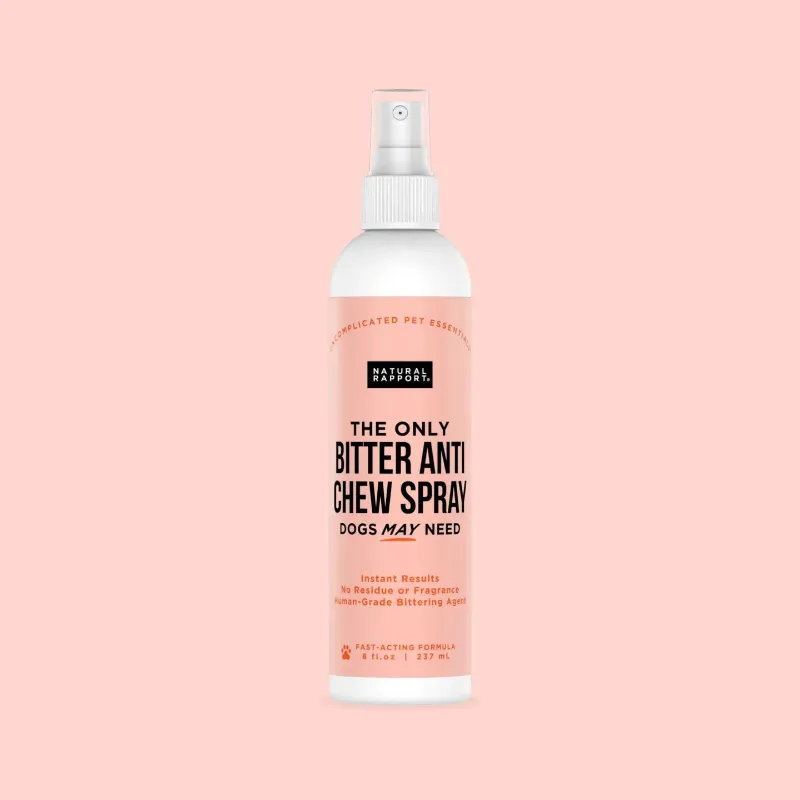
Anti chew spray for dogs works for many dogs when you combine it with redirection and positive reinforcement, but no spray alone will solve destructive chewing. We tested both citronella and bitter apple formulas on furniture, baseboards, and leashes, and found that success depends on your dog's taste sensitivity, the chewing trigger, and whether you offer appealing alternatives like healthy dog treats or single ingredient dog treats. Most dogs dislike the bitter or citrus taste enough to pause, but puppies teething on everything and anxious chewers need training alongside the deterrent.
The spray creates an unpleasant association, not a permanent fix. When you catch your dog mid-chew, redirect them to an approved item and reward the switch. Without that training loop, many dogs simply move to the next untreated spot.
Citronella vs Bitter Apple: Which Anti Chew Spray Is Best?
Both formulas deter chewing through taste, but they work differently depending on your dog's preferences and the surface you are protecting.
| Formula | Best For | Drawbacks |
|---|---|---|
| Citronella | Fabric, upholstery, outdoor gear like a rope dog leash | Strong scent may linger; some dogs ignore citrus |
| Bitter Apple | Wood, trim, furniture legs, shoes | Can leave residue; reapplication needed every 1-2 days |
We prefer citronella spray for soft goods because it dries clear and the scent fades once the chewing stops. Bitter apple works better on hard surfaces where you need a long-lasting film. Neither is a magic bullet, but citronella tends to repel a wider range of dogs in our tests.
If you are protecting a found my animal purple ombre cotton rope dog leash or dog + bone adjustable dog leash, citronella is the safer choice since it will not degrade natural fibers as quickly as alcohol-based bitter formulas.
Is No Chew Spray Safe for Dogs?
The best anti chew spray for dogs uses non-toxic ingredients like denatonium benzoate (bitter apple), citronella oil, or natural citrus extracts. These are safe if your dog licks a treated surface, though they may cause mild drooling or head-shaking as they taste the deterrent.
Check the label for these red flags:
- Isopropanol or ethanol concentrations above 20 percent (can irritate mucous membranes)
- Essential oils like tea tree, wintergreen, or pennyroyal (toxic to dogs in concentrated doses)
- Artificial dyes or heavy fragrances that mask cheap fillers
We recommend sprays labeled pet-safe and free from alcohol or phenols. Grab the code for 30 percent off natural deterrent options that pair well with training treats like freeze dried chicken dog treats.
Never spray directly into your dog's mouth or eyes. Apply the anti chew spray for dogs to the object when your dog is in another room, let it dry, then reintroduce the item under supervision.
How to Use Anti Chew Spray to Stop Furniture Chewing
Spray alone will not stop dogs from chewing on furniture unless you address the root cause—boredom, teething, or anxiety—and teach an alternative behavior.
Step-by-step application:
- Identify the trigger. Puppies chew during teething (4 to 6 months); adult dogs chew when bored or anxious.
- Treat the surface. Spray baseboards, chair legs, or couch corners once daily. Let dry completely.
- Offer a legal chew. Place a denim orthopedic pet bed or chew toy near the treated spot so your dog has an approved outlet.
- Catch and redirect. When your dog sniffs the sprayed area, immediately offer dog biscuits natural or a pupsicle refill pops and praise the switch.
- Reapply every 24 to 48 hours until the habit breaks (usually 1 to 3 weeks).
We tested this method on a serial couch-chewer and saw improvement within five days once we added frozen treat distractions and doubled exercise time. The spray bought us the seconds we needed to redirect before the behavior became automatic.
Natural Alternatives and Homemade Spray to Keep Dogs From Chewing
If you prefer a spray to keep dogs from chewing homemade option, mix one part white vinegar or lemon juice with two parts water in a spray bottle. The acidity mimics commercial formulas, though it fades faster and smells stronger.
DIY recipe for a natural anti chew spray for dogs:
- 1 cup water
- ½ cup distilled white vinegar or fresh lemon juice
- 5 drops citronella or eucalyptus essential oil (optional, use sparingly)
Shake before each use and test on a hidden fabric patch first. Reapply twice daily since homemade blends lack the binding agents that help store-bought sprays cling to surfaces.
For puppies, we pair deterrent spray with positive reinforcement tools. Keep healthy dog treats in every room so you can reward calm behavior the instant your puppy ignores the forbidden item. Check the latest price on training-friendly treats that pair with your chew-proofing routine.
When Anti Chew Spray Does Not Work
Some dogs have low taste sensitivity or such high anxiety that a bitter coating will not override the compulsion to chew. If your dog ignores the spray after two weeks of consistent use and training, consider these factors:
- Medical issues: Pain from dental disease or gastrointestinal discomfort can drive chewing. Schedule a vet check.
- Separation anxiety: Dogs who destroy furniture only when alone need behavior modification, not just deterrent spray.
- Insufficient exercise: A bored dog will chew through any taste barrier. Add a daily walk with a rope dog leash and puzzle feeders.
- Inconsistent application: Spraying one chair leg but not the others teaches your dog to move, not stop.
We have seen the best results when spray is one piece of a larger plan: crate training for unsupervised time, daily enrichment like freeze dried chicken dog treats in a snuffle mat, and removing temptation by storing shoes and remotes out of reach. The best no chew spray for puppies is whichever one you pair with patience and a predictable routine.
If your dog is also mouthing leashes or chewing harness straps on walks, treat those items with citronella spray and carry a backup leash until the habit fades. Clean any chewed fabric with dog eye cleaning wipes to remove saliva and bacteria before reapplying deterrent.
Frequently asked questions
How long does anti chew spray last on furniture?
Most sprays last 24 to 48 hours on indoor furniture before you need to reapply. Outdoor surfaces or high-traffic areas may need daily touch-ups, especially after rain or heavy licking.
Can I use citronella spray on my dog's leash?
Yes, citronella spray works well on rope and fabric leashes to stop chewing during walks. Let the leash dry completely before your next outing and reapply every few days until the habit breaks.
Is bitter apple spray safe for puppies?
Bitter apple and citronella sprays are safe for puppies over 8 weeks when used as directed on objects, not sprayed directly on the puppy. Always pair the spray with redirection and approved chew toys for teething relief.
Why does my dog keep chewing even with deterrent spray?
Some dogs have low taste sensitivity or are driven by anxiety, boredom, or medical pain that overrides the bitter taste. Increase exercise, add enrichment toys, and consult your vet if chewing persists after two weeks of consistent spray use and training.
What is the best natural anti chew spray for dogs?
A homemade mix of one part white vinegar or lemon juice to two parts water works as a natural deterrent. For a store-bought option, look for sprays with citronella oil or denatonium benzoate and no alcohol or toxic essential oils.
Do I need to spray every surface my dog might chew?
Yes, dogs will often move to untreated areas if you only spray one spot. Apply deterrent to all accessible furniture legs, baseboards, and items in the same room, and offer a designated chew toy in that space as an alternative.