
How Long Do Orthopedic Pet Beds Keep Their Support? Care and Lifespan

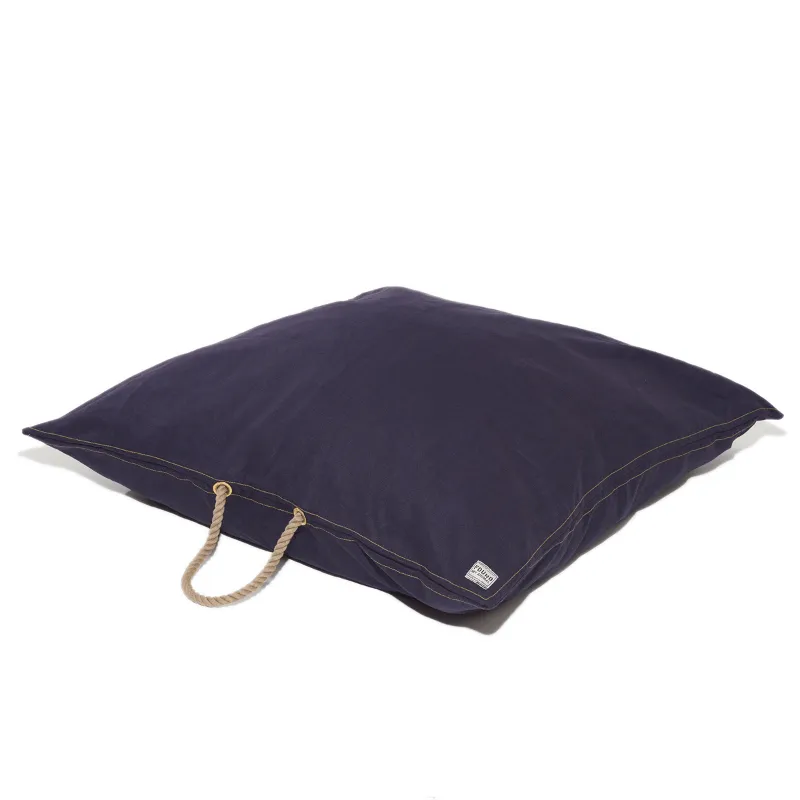
A denim orthopedic pet bed typically maintains supportive cushioning for 2 to 4 years with proper care, though heavy use, your dog's weight, and the foam density all influence how long it stays effective. We've tested orthopedic beds across breeds and activity levels, and the ones that last combine durable covers with high-density memory foam that resists permanent compression.
What Determines How Long a Denim Orthopedic Pet Bed Lasts
The lifespan of your denim orthopedic pet bed depends on three core factors: foam quality, cover durability, and usage intensity.
Foam density and type drive support longevity. High-density memory foam (4 lb/ft³ or higher) bounces back after compression and holds its shape for years, while low-density polyfoam flattens within 12 to 18 months under a 50-pound dog. Gel-infused or egg-crate toppers add comfort but compress faster than solid memory foam cores.
Cover material matters just as much. Denim covers resist scratching, digging, and daily wear better than fleece or canvas, and reinforced stitching around zippers prevents seam failure. A removable, machine-washable cover extends bed life because you can clean it without soaking the foam, which degrades when repeatedly wet.
Dog size and activity accelerate wear. A 70-pound senior dog who sleeps 16 hours a day compresses foam faster than a 25-pound terrier. Dogs who circle, dig, or "nest" before lying down stress seams and foam edges, so rotating the bed every few weeks distributes pressure evenly.
Signs Your Orthopedic Bed Has Lost Its Support
We recommend checking your dog's bed every three months for these warning signs:
- Visible sagging or body impressions that don't bounce back after your dog gets up
- Foam that feels thin or flat when you press the center with your palm
- Your dog avoiding the bed or choosing hard floors instead, signaling discomfort
- Torn seams, exposed foam, or frayed denim that compromise structure
- Persistent odors even after washing, indicating trapped moisture and breakdown
When a bed loses support, senior dogs and breeds prone to hip dysplasia or arthritis lose the joint relief orthopedic foam is designed to provide. If you notice limping, stiffness after rest, or reluctance to jump up, the bed may no longer cushion pressure points effectively. What should I look for in a dog bed for my dog ... offers insight into matching bed firmness to your dog's health needs.
How to Extend the Life of Your Orthopedic Pet Bed
Proper maintenance can push a quality bed past the four-year mark and keep foam supportive longer.
Rotate and flip regularly. Turn the bed 180 degrees every two weeks and flip it top-to-bottom monthly if the foam core is reversible. This prevents one zone from bearing all the compression.
Wash the cover, not the foam. Remove the denim cover and machine-wash it on cold with mild detergent every two to three weeks. Spot-clean the foam with a damp cloth and pet-safe enzyme cleaner, then air-dry completely before reassembling. Never submerge memory foam or put it in the dryer.
Use a waterproof liner. Accidents, drool, and humidity seep through covers and degrade foam from the inside. A breathable waterproof liner between the cover and foam blocks moisture without trapping heat.
Keep it off damp floors. Basements, garages, and outdoor patios expose beds to moisture that accelerates mildew and foam breakdown. Elevate the bed on a pallet or rug, or choose a well-ventilated indoor spot.
Vacuum weekly. Hair, dander, and dirt grind into denim fibers and seams, weakening fabric over time. A quick pass with a handheld vacuum or lint roller removes debris before it embeds.
For dogs who chew or scratch obsessively, pair the bed with anti chew spray for dogs on corners and edges to deter destructive habits that shorten bed life.
When to Replace vs. Refresh Your Pet Bed
Not every issue requires buying a new bed. If the denim cover is torn or stained but the foam still feels firm, order a replacement cover or sew a DIY slipcover from heavy-duty denim or canvas. Many quality beds sell covers separately for exactly this reason.
If the foam has minor surface impressions but still supports your dog's weight evenly, flip it or add a thin memory foam topper to extend usability another year. However, if the core foam has compressed to less than half its original thickness, or your dog's joints are clearly uncomfortable, replacement is the right call.
Budget for a new orthopedic bed every 3 to 4 years for large or senior dogs, and every 4 to 5 years for small, light breeds. Check the latest price to find high-quality options with 30% off sitewide, making replacement more affordable when the time comes.
Pairing Your Pet Bed with Everyday Essentials
Orthopedic beds work best as part of a complete comfort and wellness routine. A supportive bed helps your dog rest, but daily activity and proper gear keep joints healthy between naps.
Pair your bed with a rope dog leash or dog + bone adjustable dog leash for controlled walks that build muscle without overextending hips or elbows. The found my animal purple ombre cotton rope dog leash offers a secure grip and stylish durability for dogs of all sizes.
After walks, reward with joint-friendly nutrition like freeze dried chicken dog treats or single ingredient dog treats that skip fillers and artificial additives. These healthy dog treats and dog biscuits natural support overall wellness without adding empty calories that strain aging joints.
Keep your dog's bedding area clean with dog eye cleaning wipes for quick grooming, and use citronella spray around outdoor rest zones to deter pests. For treat-motivated dogs, pupsicle refill pops provide slow-release enrichment that keeps them occupied without jumping or high-impact play that could worsen joint wear.
Grab the code to save on all these essentials and extend your investment in your dog's comfort and mobility for years to come.
Frequently asked questions
How long does a denim orthopedic pet bed maintain support for large dogs?
A quality denim orthopedic bed typically supports large dogs for 2 to 3 years with regular rotation and cleaning. Heavy breeds compress foam faster, so look for high-density memory foam rated 4 lb/ft³ or higher to extend usability.
Can I wash the foam inside an orthopedic dog bed?
No, you should never submerge or machine-wash memory foam. Remove the denim cover and wash it separately, then spot-clean the foam with a damp cloth and enzyme cleaner, allowing it to air-dry completely before reassembly.
What are the first signs an orthopedic bed needs replacing?
Look for visible sagging or body impressions that don't bounce back, foam that feels flat when pressed, persistent odors after washing, or your dog avoiding the bed in favor of hard floors. These indicate the foam has lost its supportive properties.
How often should I rotate my dog's orthopedic bed?
Rotate the bed 180 degrees every two weeks and flip it top-to-bottom monthly if the foam is reversible. This distributes compression evenly and can extend the bed's supportive life by a year or more.
Do waterproof liners shorten orthopedic bed lifespan?
No, breathable waterproof liners actually extend lifespan by blocking moisture, drool, and accidents from degrading the foam core. Choose liners designed for pet beds that allow airflow while repelling liquids.
Is it worth repairing a torn denim cover or should I replace the whole bed?
If the foam still feels firm and supportive, repair or replace just the cover. Many quality beds sell replacement covers separately, and a new denim slipcover is far cheaper than a full bed replacement.