

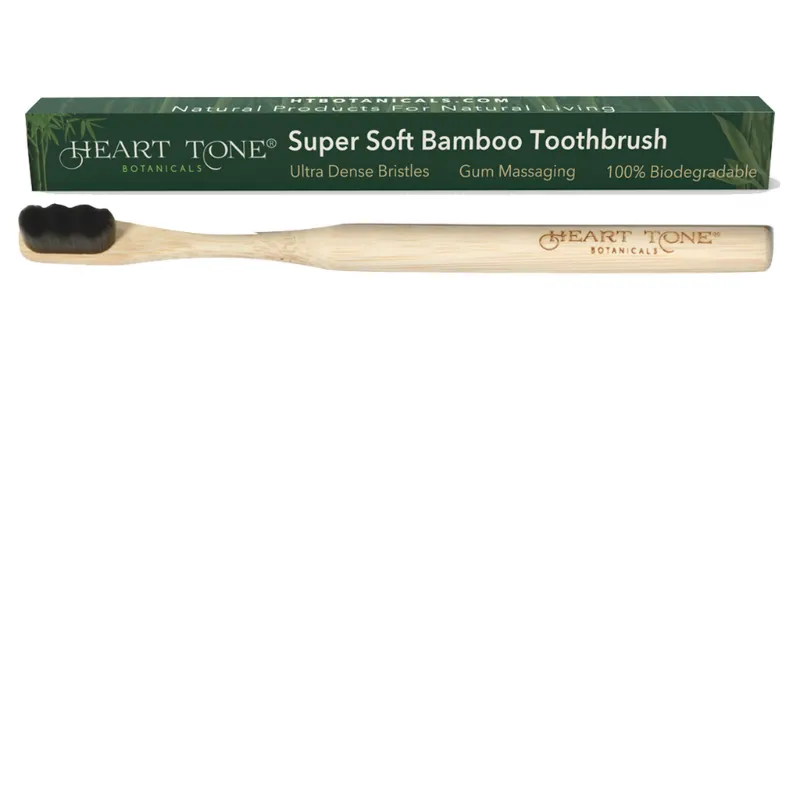
A natural bristle toothbrush uses bristles sourced from plant or animal fibers rather than nylon, making it one of the most fully biodegradable oral care tools you can own. That single fact drives most of the comparison below. Whether you are switching for environmental reasons, sensitive gums, or simply curious about eco-friendly oral care products, the guide walks through every real decision point.
What Makes a Natural Bristle Toothbrush Different from Synthetic
Conventional toothbrushes use nylon-6 or nylon-6,10 bristles, which shed microplastics and take centuries to break down. A natural bristle toothbrush replaces those with fibers such as boar hair or plant-based alternatives, so the entire brush can be composted or returned to the earth.
Key differences at a glance:
- Biodegradability: Natural bristles break down; nylon does not.
- Softness: Animal-hair bristles tend to be very soft and are often preferred for sensitive gums.
- Moisture retention: Natural fibers hold more moisture between uses, which requires more careful drying to avoid bacterial growth.
- Sourcing: Plant-based or cruelty-free versions exist, but always check the label.
Heart Tone Botanicals stocks the natural bristle toothbrush alongside several bamboo options, so you can compare them side by side before committing.
Natural Bristle Toothbrush vs. Bamboo Toothbrush: Head-to-Head
The bamboo toothbrush solves the handle problem instantly: bamboo is a fast-growing grass that is fully compostable. Most bamboo brushes, however, still use nylon bristles, which is the main gap the natural bristle option closes.
| Feature | Natural Bristle Toothbrush | Bamboo + Nylon Bristles |
|---|---|---|
| Handle material | Varies (wood, bamboo, plastic) | Bamboo |
| Bristle biodegradability | Yes | No (nylon) |
| Fully compostable | Yes (whole brush) | Handle only |
| Availability | Specialist | Widely available |
| Cost | Typically higher | Budget-friendly |
The bamboo toothbrush with natural bristles is the best-of-both-worlds pick: a bamboo handle paired with plant-based bristles so the whole brush goes in the compost bin. The earth ahead bamboo toothbrush is another strong option in this category worth checking out.
Bamboo Toothbrush Benefits Beyond the Handle
Even if you choose a bamboo brush with standard bristles, you are still making a meaningful swap. Bamboo toothbrush benefits include:
- Handles that are naturally antimicrobial
- A renewable crop that grows without pesticides or irrigation in most climates
- Significantly less plastic per brush compared to conventional options
- A satisfying, lightweight feel that many users prefer over plastic
If you want to brush with bamboo toothbrush techniques recommended by dental hygienists (45-degree angle, two-minute timer, gentle circular motion), the bamboo handle gives you the same control as plastic with a fraction of the environmental cost.
The Coal Toothbrush: A Third Option for Whitening
A coal toothbrush adds activated charcoal to the bristles, which proponents use for surface stain removal. It sits between conventional and fully natural in terms of formulation. If you are drawn to whitening but still want to stay inside a sustainable zero waste bathroom routine, it is worth comparing with the natural bristle option before deciding.
Activated charcoal is abrasive, so dental professionals generally suggest using a charcoal brush no more than a few times a week and pairing it with a gentler brush for daily use.
Building a Complete Natural Oral Care Routine
Swapping your toothbrush is a good first step, but natural bristle vs. synthetic bristle is only part of the picture. Heart Tone Botanicals makes it easy to extend the routine:
- Organic mouthwash: A rinse made without alcohol or artificial preservatives rounds out brushing without undoing the natural approach.
- Natural soap bars: Moving your hand soap and body wash to a bar format cuts plastic from the bathroom shelf at the same time.
- Coconut soap bar: A coconut oil base makes this a popular pick for sensitive or dry skin.
Pairing an upgraded brush with an organic mouthwash means your whole mouth-care routine stays free of synthetic additives.
Who Should Choose Which Brush
Not every brush suits every mouth. Here is a simple decision guide:
- Choose a natural bristle toothbrush if: you want 100% biodegradability, you have very sensitive gums, or zero-waste credentials matter most to you.
- Choose the bamboo toothbrush with natural bristles if: you want a compostable full-brush solution with a firmer bamboo handle.
- Choose a standard bamboo toothbrush if: you are on a tighter budget and want to eliminate plastic handles first, with bristle upgrades as a next step.
- Choose the coal toothbrush if: surface staining is a priority and you plan to alternate it with a softer daily brush.
The natural bristle toothbrush is the purest choice for anyone committed to a fully compostable routine, while the bamboo range suits shoppers at different price points and priorities.
Where to Buy and How to Save
Heart Tone Botanicals carries the full range discussed here: bamboo handles, natural bristles, charcoal options, and hybrid designs. Before you add anything to your cart, grab the Heart Tone Botanicals discount code for 10% off all orders. It stacks well if you are picking up a toothbrush alongside an organic mouthwash or some natural soap bars in the same order.
For the most up-to-date pricing and to confirm the current offer, check the latest deal on the coupon page before you check out.
 Shopping at Heart Tone Botanicals? See today's verified Heart Tone Botanicals discount code
Frequently asked questions
Is a natural bristle toothbrush actually better for sensitive gums?
Natural bristles tend to be softer and more flexible than standard nylon, which can reduce irritation on sensitive or receding gums. That said, softness varies by brand, so look for a 'soft' or 'extra-soft' label regardless of bristle material.
Can I compost the whole bamboo toothbrush with natural bristles?
Only if both the handle and the bristles are certified compostable. The bamboo toothbrush with natural bristles from Heart Tone Botanicals is designed with this in mind, but confirm the product details on the listing to be sure before composting.
How often should I replace a natural bristle toothbrush?
Dental guidelines recommend replacing any toothbrush every three months, or sooner if the bristles splay. Natural bristles may show wear faster than nylon, so check the brush head monthly.
Does the coal toothbrush actually whiten teeth?
Activated charcoal can remove some surface stains through mild abrasion, but there is limited clinical evidence for deeper whitening. Most dentists suggest using a charcoal brush only a few times per week and pairing it with a standard fluoride toothpaste.
Is there a Heart Tone Botanicals discount code I can use on these products?
Yes. The store coupon page lists the current offer, which is 10% off all orders at the time of writing. Visit the Heart Tone Botanicals discount code page to copy the latest code before checkout.
What is the difference between the earth ahead bamboo toothbrush and the standard bamboo toothbrush?
The earth ahead bamboo toothbrush is a specific branded variant in the Heart Tone Botanicals range. Check its product page for the exact bristle type and handle specs, as the design details can differ from the standard bamboo listing.