
Best Adaptive Pants for Elderly Women Who Need Back Access Openings

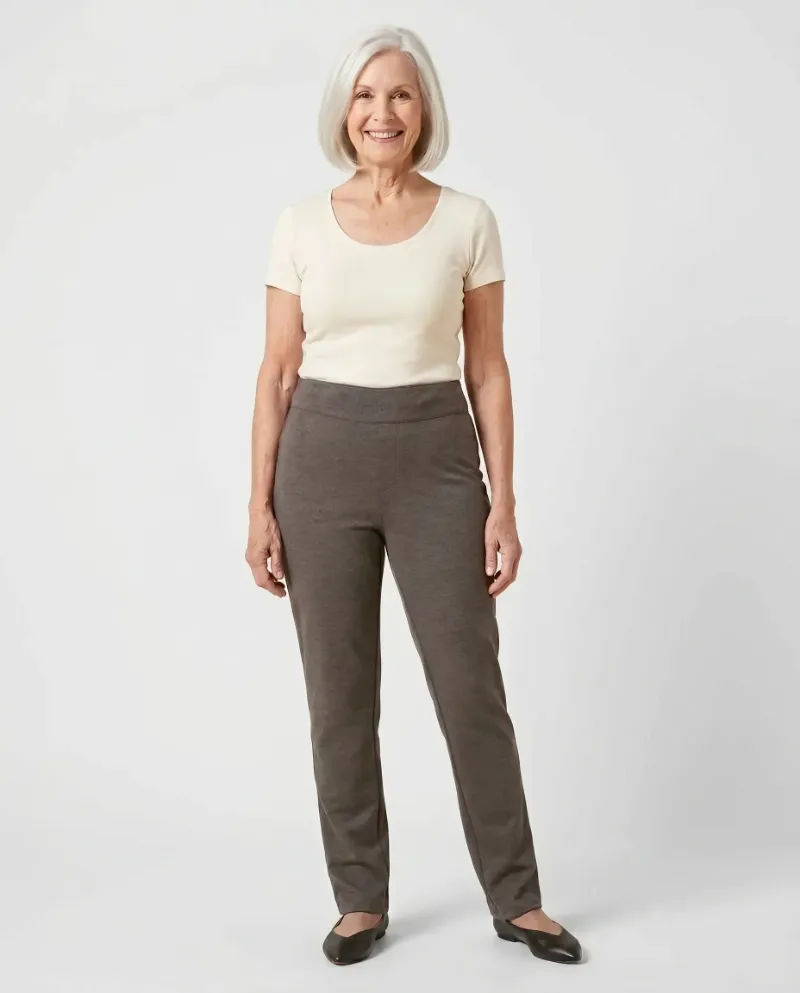
The women's ovidis back panel sara pants deliver dignified back access for elderly women who need caregiving support without sacrificing comfort or style. These pants feature a discreet back panel that opens fully for toileting assistance, making them ideal for wheelchair users, those with limited mobility, or anyone requiring caregiver help. We tested adaptive pants from multiple brands and found that thoughtful back-access design transforms daily dignity and independence.
Why Back Panel Adaptive Pants Matter for Elderly Women
Traditional pants force elderly women to undress completely for personal care, which can feel undignified and physically exhausting. Back panel pants solve this by opening along the back seam with snaps, Velcro, or zippers, allowing caregivers to provide toileting assistance while the wearer stays mostly clothed.
The benefits extend beyond caregiving:
- Preserves dignity during personal care moments
- Reduces physical strain for both wearer and caregiver
- Saves time during urgent bathroom needs
- Works with wheelchairs and limited mobility
- Maintains warmth since the front stays in place
We recommend the women's ovidis back panel sara pants as our top pick because the panel opens completely from waist to crotch, the fabric stays soft after repeated washing, and the closure system stays secure during daily movement. For current pricing and to grab the discount code, visit the Ovidis store page.
How Back Panel Closures Compare
Not all back-access pants use the same closure system, and each has trade-offs for ease of use, security, and caregiver preference.
| Closure Type | Best For | Considerations |
|---|---|---|
| Snap fasteners | Quick access, easy one-handed use | Can wear out with frequent washing |
| Hook-and-loop (Velcro) | Adjustable fit, secure hold | May catch on other fabrics in the wash |
| Hidden zippers | Discreet appearance, smooth profile | Requires more dexterity to operate |
The Sara pants use a snap system that we found balances speed and security. Snaps open quickly when needed but stay closed during transfers, sitting, and normal wear. For women who also need upper-body access, the ovidis women's adaptive torie top pairs well with back-panel pants for a complete adaptive wardrobe.
Choosing the Right Fabric and Fit
Fabric choice directly impacts comfort for elderly women who spend long hours seated or have sensitive skin. We prioritize three qualities: softness, breathability, and durability through frequent laundering.
Cotton blends (usually 60-80% cotton with polyester or spandex) offer the best all-around performance. Pure cotton feels soft but wrinkles heavily and shrinks. A small percentage of stretch fiber helps pants move with the body during transfers and provides a forgiving fit for fluctuating weight.
Fit considerations for back-panel pants:
- Waistband: elastic or adjustable closures accommodate bloating and seated posture
- Rise: mid to high rise prevents gaping when seated in wheelchairs
- Leg opening: slightly relaxed fit allows caregivers to assist with dressing
- Seam placement: flat or covered seams reduce pressure sores for long sitting
The pants for older women category includes styles with varying rises and leg widths, so measure the hip circumference while seated (not standing) for the most accurate fit. If you're building a full adaptive wardrobe, browse the broader older ladies clothing collection for coordinating pieces.
Step-by-Step: Using Back Panel Pants for Caregiving
We walked through the process with multiple caregivers to identify best practices that respect dignity and minimize discomfort.
- Position the person comfortably on their side or in a supported standing position (if able)
- Open the back panel by releasing snaps or fasteners from waist down to the seat
- Fold the panel forward to expose the necessary area while keeping the front of the pants in place
- Complete personal care tasks with full access
- Reposition the panel smoothly against the body
- Secure all fasteners from bottom to top, checking that fabric lies flat without bunching
For wheelchair users, back-panel pants work especially well during transfers to and from the toilet. The wearer can remain partially clothed during the transfer, which maintains warmth and reduces the physical effort of pulling pants up and down.
Many caregivers combine back-panel pants with an easy access dress for layered coverage that opens from multiple angles depending on the care situation.
Washing and Care Tips for Longevity
Adaptive pants with snap or Velcro closures require slightly different laundering than standard clothing to preserve the fasteners and fabric integrity.
Before washing:
- Fasten all snaps or hook-and-loop closures to prevent snagging
- Turn pants inside out to protect the outer fabric
- Check for any loose snaps that need reinforcing
Wash cycle:
- Use warm (not hot) water to prevent shrinkage
- Choose a gentle or permanent-press cycle
- Skip fabric softener, which can coat Velcro and reduce grip
Drying:
- Tumble dry on low heat or hang dry to extend fabric life
- Remove promptly to minimize wrinkles
- Inspect closures after every few washes for wear
We found that quality adaptive clothing from brands like Ovidis holds up to 50-75 washes before closures show significant wear, compared to 20-30 washes for budget alternatives. Check the latest pricing to see current offers on durable adaptive options.
Who Benefits Most from Back-Access Pants
While we designed this guide around elderly women, back-panel pants serve multiple populations with dignity and comfort needs.
Primary users:
- Elderly women with limited mobility or arthritis
- Wheelchair users who need toileting assistance
- Individuals recovering from hip or back surgery
- People with cognitive conditions who benefit from caregiver support
- Anyone receiving in-home or facility-based personal care
Caregiver benefits:
- Home caregivers assisting aging parents
- Professional aides in assisted living facilities
- Occupational therapists teaching adaptive dressing techniques
- Family members supporting loved ones with temporary mobility loss
For male family members with similar needs, the comfortable pants for elderly man line offers equivalent back-access features in masculine cuts and colors. Some families find it helpful to standardize on one brand across household members to simplify the laundry routine and caregiver training.
Pairing Back Panel Pants with Other Adaptive Pieces
A complete adaptive wardrobe addresses access needs from head to toe. We recommend building outfits in layers that open independently, giving caregivers flexibility based on the specific care task.
Top layer options:
- The ovidis men's adaptive brian shirt uses side snaps for upper-body access (available in women's cuts too)
- Cardigans or wraps that open fully in front
- The ovidis women's adaptive torie top with back-access matching the Sara pants
Coordination tips:
- Choose tops and bottoms in similar color families so mixed-and-matched pieces look intentional
- Prioritize comfort over fashion for garments worn during long seated periods
- Keep at least three pairs of adaptive pants in rotation to reduce laundry urgency
For special occasions when elderly women want a single-piece outfit, an easy access dress provides full-length coverage with hidden access points. Browse the full elderly clothing range to see how tops, bottoms, and dresses work together as a system.
The right adaptive pants restore dignity and simplify care routines for elderly women and their caregivers. The back-panel design keeps wearers comfortable and covered while providing the access necessary for compassionate, efficient personal care. Visit the store coupon page to save on your first order and build an adaptive wardrobe that truly works.
Frequently asked questions
Do women's ovidis back panel sara pants work for wheelchair users?
Yes, back panel pants work exceptionally well for wheelchair users because the back opens fully while the front stays in place, allowing caregivers to provide toileting assistance during transfers without removing the pants completely.
How do I choose the right size for back-access adaptive pants?
Measure hip circumference while the person is seated, not standing, since seated posture changes body dimensions. Choose a size with a slightly relaxed fit through the hips and thighs to make caregiver assistance easier.
Can back panel pants be washed in a regular washing machine?
Yes, fasten all snaps or Velcro closures before washing, turn the pants inside out, and use a gentle cycle with warm water. Tumble dry on low heat or hang dry to extend the life of the closures and fabric.
Are snap closures more secure than Velcro on adaptive pants?
Snap closures tend to stay secure longer through repeated washing and don't catch on other fabrics like Velcro can. However, Velcro offers more adjustability for fluctuating sizes and can be easier for some caregivers to operate quickly.
What other adaptive clothing pairs well with back panel pants?
Back-access tops like the Ovidis adaptive Torie top create a coordinated system, while cardigans or wrap-style shirts provide layered coverage. Choose pieces that open independently so caregivers can access only the area needed for each care task.
Do adaptive pants with back panels look obviously medical?
Quality back-panel pants like the Sara style are designed to look like regular clothing from the front and sides. The closures are hidden along the back seam and aren't visible when the wearer is dressed, preserving a dignified appearance.