
How to Choose Adaptive Clothing for Elderly Parents With Limited Mobility

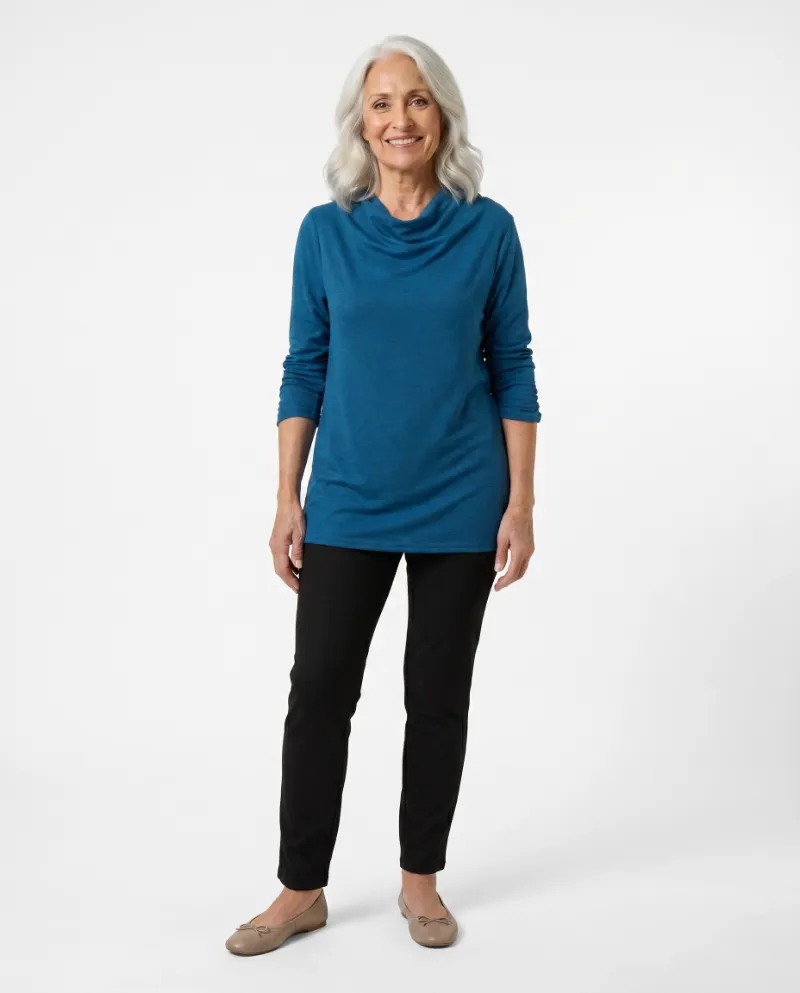
Why Adaptive Clothing Matters for Limited Mobility
Adaptive clothing eliminates the struggle of traditional buttons, zippers, and tight openings that make dressing a painful or impossible task for elderly parents. We've tested garments from Ovidis and other adaptive clothing brands to identify the features that genuinely reduce caregiver time and preserve dignity during daily routines.
The right pieces transform a 20-minute ordeal into a two-minute task, and the design differences go far beyond aesthetics. When you understand which closures work for arthritis versus stroke recovery, you can build a wardrobe that supports independence rather than highlighting limitations.
Key Features That Simplify Dressing for Seniors
Look for these practical modifications when shopping for elderly parents who need help getting dressed:
- Magnetic closures replace buttons and snaps, requiring only light pressure to fasten shirts and pants
- Side or back openings allow caregivers to dress someone seated or lying down without painful arm lifting
- Elastic waistbands with hidden structure maintain a tailored look while eliminating the need to pull pants over hips
- Open-back designs make toileting easier and reduce the need to fully undress
- Snap-away inseams provide quick access for incontinence care without removing the entire garment
- Flat seams and tagless construction prevent pressure sores for wheelchair users or bed-bound individuals
The ovidis women's adaptive torie top demonstrates several of these features with magnetic front closures and side openings that accommodate limited shoulder mobility. For men, the ovidis men's adaptive brian shirt uses a similar magnetic system that looks identical to traditional buttons from the front.
How to Choose Bottoms for Sitting and Standing Challenges
Pants present the biggest dressing challenge for elderly parents who cannot stand or balance independently. We recommend starting with these criteria:
For wheelchair users or seated dressing:
- Full side zippers that open from waist to ankle
- Higher rise in back to prevent gaps when sitting
- Flat front pockets or no pockets to reduce bulk under the body
- Soft, breathable fabrics that won't trap heat
For limited hand strength:
- Pull-on styles with wide leg openings
- Hook-and-loop fly closures instead of zippers
- Elastic or drawstring waists that adjust without fine motor skills
The women's ovidis back panel sara pants use a back panel design that allows caregivers to dress someone from behind while they remain seated. These work especially well for parents recovering from hip surgery or stroke. If your dad prefers a traditional pant look, comfortable pants for elderly man options often include elastic waist inserts hidden under a button tab.
You can check the latest price on these styles and grab our exclusive code for 10% off your order.
Selecting Tops and Dresses for Different Care Needs
The best shirt or dress depends on whether your parent dresses independently, needs minor assistance, or requires full hands-on care.
| Care Level | Best Top Style | Why It Works |
|---|---|---|
| Independent with arthritis | Magnetic button-front shirts | Looks traditional, fastens with light touch |
| Needs help lifting arms | Side-snap or back-opening tops | Dress without shoulder pain or range-of-motion issues |
| Full assistance or bed-bound | Shoulder-snap tops, open-back gowns | Complete access while lying down |
For women who want to maintain their sense of style, an easy access dress with a concealed back opening offers the appearance of a standard dress with functional closures only a caregiver sees. The older ladies clothing collection at Ovidis includes tunics and blouses that look current rather than clinical.
Men often resist adaptive features because early designs looked institutional. Modern options like the new trowes shirt cloth styles prioritize traditional patterns and colors while integrating magnetic closures that blend seamlessly into the placket.
Sizing and Fit Considerations for Comfort and Safety
Standard sizing charts fail for elderly parents because body shape changes with age, medical devices add bulk, and skin becomes more fragile. Here's how we approach fit:
- Measure while seated if your parent spends most time in a chair or wheelchair, since fabric pulls differently when sitting
- Add 2-4 inches to chest and waist measurements if they wear adult briefs or use a catheter bag
- Choose longer inseams for pants, as shorter legs ride up uncomfortably when seated for long periods
- Avoid tight sleeves that bunch over swollen joints or interfere with blood pressure monitoring
Ovidis garments tend to run slightly larger than mall brands to accommodate these needs, but we still recommend checking their specific size chart before ordering. The pants for older women typically include detailed measurements for rise, thigh width, and leg opening, not just waist size.
Proper fit matters for safety as well as comfort. Loose hems and trailing sleeves catch on walkers and wheelchair wheels, while overly tight waistbands restrict breathing and circulation. When you grab the code from our Ovidis discount page, consider ordering two sizes to test fit if you're between measurements.
Fabric Choices That Support Skin Health and Temperature Regulation
Elderly skin bruises easily, tears from friction, and loses the ability to regulate temperature effectively. How adaptive clothing can help in caregiving extends beyond closures to fabric selection that prevents medical complications.
We prioritize these fabric characteristics:
- Moisture-wicking blends that pull sweat away from skin to prevent fungal infections and breakdown
- Breathable natural fibers like cotton or bamboo for parents who overheat or have hot flashes
- Stretch fabrics with at least 5% spandex for ease of movement without binding
- Smooth textures without rough seams, appliques, or embellishments that create pressure points
The women's adaptive clothing for elderly from Ovidis uses primarily cotton-poly blends that survive frequent washing at high temperatures, which matters when dealing with incontinence or food spills. Men adaptive clothing options include performance fabrics originally designed for athletes that also work well for active seniors who still walk regularly.
Avoid purely synthetic fabrics for parents who spend long periods seated or lying down. While polyester dries quickly, it traps heat and moisture against skin, creating ideal conditions for pressure sores.
Where to Start When Building an Adaptive Wardrobe
If you're overwhelmed by options, begin with the garments your parent struggles with most during current dressing routines. Watch where they get stuck, frustrated, or need the most help, then replace those specific pieces first.
A practical starter wardrobe includes:
- Two pairs of adaptive pants with the closure style that matches their mobility level
- Three shirts or tops with appropriate openings for their needs
- One dress or casual outfit for social occasions
- Comfortable, breathable undergarments with flat seams
The complete elderly clothing range at Ovidis covers these basics while accommodating specific conditions like stroke recovery, arthritis, and Parkinson's disease. You don't need to replace an entire closet at once. Start with everyday essentials, test what works, then add specialty pieces like adaptive outerwear or formal wear as needed.
We've found that parents accept adaptive features more readily when the clothing looks like what they've always worn. Focus on familiar styles, preferred colors, and quality construction rather than leading with the medical benefits. The functional advantages become apparent through use, but visual appeal drives initial acceptance.
For current pricing on any of these pieces and to access our exclusive discount, visit our Ovidis coupon page where we maintain updated codes and limited-time offers.
Frequently asked questions
What makes adaptive clothing different from regular clothing?
Adaptive clothing features modified closures like magnets or Velcro, strategic openings in the back or sides, and design elements that allow dressing while seated or lying down. These modifications eliminate the need for fine motor skills and extensive range of motion that traditional clothing requires.
Can adaptive pants look stylish rather than medical?
Yes, modern adaptive pants from brands like Ovidis use hidden closures, structured waistbands, and contemporary cuts that look identical to regular pants from the front. The adaptive features are integrated into seams and panels that only caregivers notice during dressing.
How do I know which closure type my parent needs?
Match the closure to their specific limitation: magnetic closures work best for arthritis or weak grip, side zippers suit wheelchair users or hip issues, and back openings help when shoulder mobility is severely limited or they need full dressing assistance.
Are Ovidis adaptive clothes machine washable?
Most Ovidis garments are machine washable in warm or hot water and can be tumble dried, which is essential for managing incontinence or frequent spills. Always check the specific care tag, but they're designed for the rigorous washing care situations demand.
Should I size up for elderly parents who wear adult briefs?
Yes, add at least one size and focus on pants with extra room in the rise and hip area. Adult briefs add 2-4 inches of bulk, and pants that fit too snugly will be uncomfortable and may restrict circulation when your parent sits for extended periods.
Do adaptive clothing brands offer options for men?
Yes, brands like Ovidis offer men's adaptive clothing including magnetic button shirts, elastic-waist pants that look traditional, and polo-style tops with modified closures. Selection has expanded significantly as demand from male caregivers and patients has increased.