
Best Mattress for Kids: Why Memory Foam Works for Growing Bodies

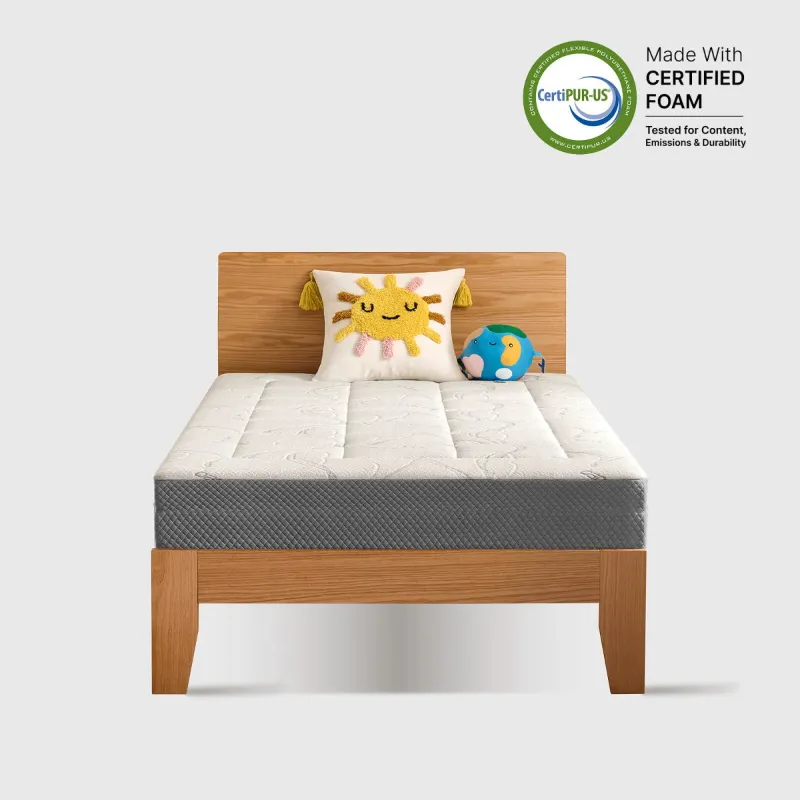
Why a Kids Memory Foam Mattress Supports Growing Bodies
A kids memory foam mattress conforms to a child's changing shape, cushions pressure points, and promotes healthy spinal alignment from toddler years through adolescence. Unlike spring mattresses that push back with uniform resistance, memory foam adapts to body weight and sleep position, which matters when bones and muscles are still developing.
We tested memory foam options built for younger sleepers and found that medium-firm models offer the best balance: soft enough to cushion hips and shoulders, firm enough to prevent sinking that can strain the lower back. The kids memory foam mattress we recommend uses responsive foam that recovers quickly when your child shifts position, so they don't feel stuck in one spot all night.
Memory foam also isolates motion, which helps siblings who share a room and restless sleepers who toss and turn. If you're upgrading from a hand-me-down or a budget spring bed, the difference in sleep quality shows up in fewer night wakings and easier mornings.
What Makes Memory Foam Different from Hybrid or Fiber Mattresses
Memory foam, hybrid, and fiber mattresses each handle weight and heat differently. Memory foam uses viscoelastic polyurethane that softens under body heat and molds to pressure points. Hybrids pair foam comfort layers with pocketed coils for bounce and airflow. Fiber mattresses, like the ablyea Fiber Mattress, use synthetic or natural fill for a plush, breathable surface without the sinking feel of foam.
For kids, memory foam wins on pressure relief and motion isolation. Hybrids work better for heavier teens or hot sleepers who need extra ventilation. Fiber options suit families looking for a softer, more traditional feel without springs. We break down the trade-offs below:
| Type | Best For | Trade-Off |
|---|---|---|
| Memory Foam | Pressure relief, motion isolation | Can trap heat without gel or ventilation |
| Hybrid | Bounce, airflow, heavier sleepers | Higher price, less motion isolation |
| Fiber | Plush feel, breathable, budget-friendly | Less contouring, may compress faster |
If your child runs hot at night, look for gel-infused or open-cell memory foam. If they prefer a bed that feels responsive rather than hugging, a hybrid mattress may be the better fit.
How to Choose the Right Firmness and Thickness
Kids under 50 pounds do well on medium-soft foam that cushions without excessive sink. School-age children and lighter teens benefit from medium-firm support that keeps the spine neutral. Heavier teens need firmer foam or a hybrid to prevent sagging.
Thickness matters less than foam density and layering. A 6 to 8-inch mattress with high-density base foam and a 2 to 3-inch comfort layer delivers enough support for twin and full sizes. Thicker models (10 to 12 inches) suit teens who weigh more or prefer a taller bed profile.
We recommend choosing a mattress that fits your child's current weight and growth stage rather than over-buying for the future. Memory foam compresses over time, so a bed that feels perfect at age six may feel too soft by age twelve. The ablyea mattress uses layered construction that extends usable life without sacrificing early comfort.
Check the manufacturer's weight guidelines and read reviews from parents whose kids match your child's size. Mattress experts also recommend testing firmness by having your child lie on their side: their spine should stay level, not curve down at the hips or arch at the shoulders.
Materials, Safety, and Certifications That Matter
Look for CertiPUR-US certified foam, which guarantees low VOC emissions, no heavy metals, and no formaldehyde. Many kids' mattresses also carry GREENGUARD Gold certification for stricter indoor air quality standards.
Memory foam mattresses should use water-based adhesives and skip flame retardant chemicals. Most manufacturers now meet federal flammability standards with naturally fire-resistant materials like wool or rayon barriers instead of chemical treatments.
Covers matter, too. Removable, machine-washable covers simplify cleanup after spills and accidents. Breathable knit or moisture-wicking fabrics help manage temperature and humidity, especially for younger children who may still need waterproof protectors underneath.
If allergies or asthma are concerns, choose hypoallergenic foam and a tightly woven cover that resists dust mites. The density and structure of memory foam naturally discourage allergen buildup compared to innerspring beds with open cavities that collect dust.
Care Tips to Extend Mattress Life
Rotate the mattress head-to-foot every three months to distribute wear evenly. Memory foam doesn't need flipping (most models have a dedicated top side), but rotation prevents body impressions from settling in one spot.
Use a waterproof protector from day one. Accidents, spills, and sweat can seep into foam and compromise both comfort and hygiene. A fitted protector with breathable backing keeps the mattress dry without trapping heat.
Vacuum the surface monthly to remove dust and skin cells. If spills happen, blot immediately with a clean towel, spot-clean with mild soap and water, and air-dry completely before remaking the bed. Never saturate memory foam or use harsh cleaners that can break down the cell structure.
Let the mattress air out for a few hours each month by removing sheets and opening windows. This helps moisture evaporate and keeps the foam fresh. Store the mattress flat if you need to move or pack it; prolonged compression or bending can damage the foam core.
Who Should Choose Memory Foam Over Other Options
Memory foam works best for side sleepers, lighter children, and kids who wake easily from movement. If your child shares a room or bed, the motion isolation alone justifies the choice.
It's also a smart pick for children with joint sensitivity or growing pains. The contouring reduces pressure on hips, knees, and shoulders, which can ease discomfort during growth spurts. Parents looking for a cheap mattress for back pain will find that memory foam delivers clinical-level support at accessible prices.
Avoid memory foam if your child prefers a bouncy, responsive feel or tends to overheat. In those cases, a hybrid mattress with coil support and foam comfort layers offers a middle ground.
For families shopping across multiple rooms, Ablyea carries options that scale from kids' twins to adult sizes. Grab the current discount code to save 10% sitewide and bundle a kids' mattress with a clea sofa for a playroom refresh.
Where to Buy and What to Expect on Delivery
Most online mattress brands ship compressed in a box, which makes delivery easy and setup fast. Unbox in the room where the bed will live, unroll the mattress, and let it expand for 24 to 48 hours before your child sleeps on it. Off-gassing (a mild foam smell) is normal and fades within a few days.
Check the trial period and warranty before buying. Reputable brands offer at least a 100-night sleep trial and a 10-year warranty covering defects and sagging beyond a certain depth (usually 1 inch or more).
If you're comparing prices across retailers, check the latest Ablyea pricing and our exclusive code before checkout. We test products from brands that stand behind their mattresses with transparent policies and responsive customer service.
For more guidance on choosing the right bed for your child's age and sleep style, experts at Mattress Nerd offer detailed breakdowns of top-tested kids' mattresses across foam, hybrid, and organic categories.
Frequently asked questions
Is a kids memory foam mattress safe for toddlers?
Yes, as long as the mattress is firm enough to prevent excessive sinking and carries CertiPUR-US or GREENGUARD Gold certification for low emissions. Avoid plush memory foam for children under three, who need firmer support for safe sleep.
How long does a memory foam mattress last for a growing child?
A quality memory foam mattress typically lasts 7 to 10 years, but you may need to replace it sooner if your child's weight increases significantly or the foam develops permanent body impressions deeper than 1 inch.
Does memory foam sleep hot for kids?
Traditional memory foam can trap heat, but gel-infused or open-cell foam versions improve airflow. Pairing the mattress with breathable sheets and a moisture-wicking cover also helps regulate temperature.
Can I use a waterproof protector on a memory foam mattress?
Absolutely. A breathable waterproof protector is essential for kids' beds. Choose one with a thin polyurethane or TPU backing that blocks liquids without trapping heat.
What firmness level should I choose for a 7-year-old?
Most 7-year-olds do well on medium-firm memory foam that cushions pressure points without excessive sink. If your child weighs under 50 pounds, medium-soft may be more comfortable; over 70 pounds, go firmer.
Where can I find the best price on an ablyea mattress?
Check Ablyea's site directly and use our exclusive discount code for 10% off sitewide. They also run seasonal promotions that stack with the code for deeper savings.