
Best Numbing Cream for Tattoo Removal: What Actually Works

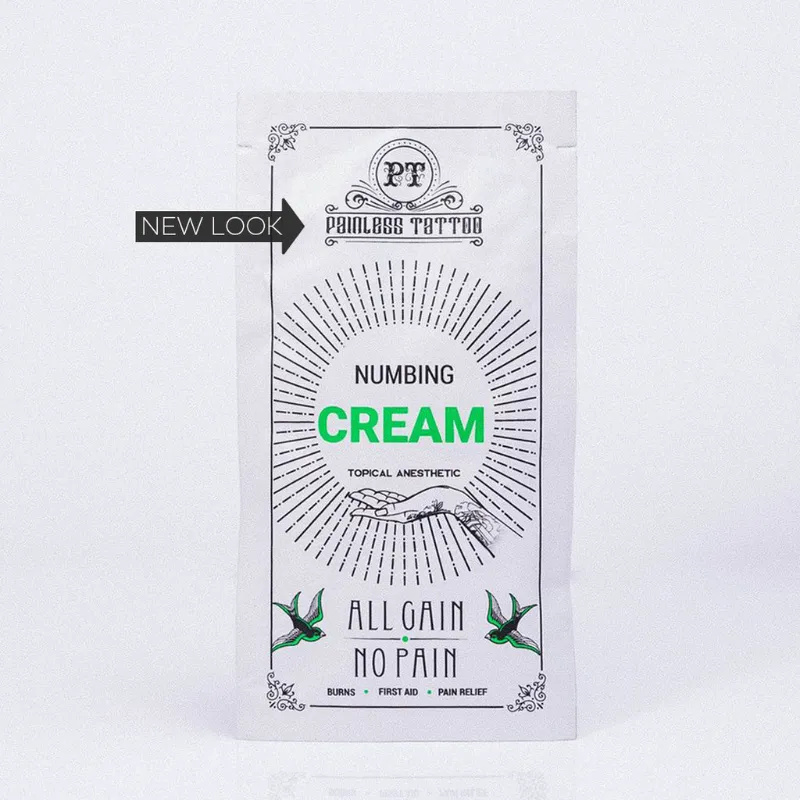
Best Numbing Cream for Tattoo Removal: What Actually Works
Numbing cream for tattoo removal works when it contains 5% lidocaine and you apply it 45–60 minutes before your laser session under occlusion. We tested the top formulas to find which products genuinely block the sharp, repetitive pain of laser pulses and which fall short when it matters most.
Laser tattoo removal hurts more than getting the original ink for most people. The Q-switched or picosecond laser shatters pigment particles with concentrated energy, and each pulse feels like a hot rubber band snap. A quality lidocaine tattoo numbing cream reduces that sensation from unbearable to manageable, but only if you choose the right formula and apply it correctly.
How Numbing Cream Works During Laser Sessions
Topical anesthetics block sodium channels in nerve endings near the skin surface. Lidocaine is the most common active ingredient in over-the-counter formulas, available at 4–5% concentration without a prescription. Some clinics use compounded prescription blends like BLT (benzocaine, lidocaine, tetracaine) that reach deeper layers, but for home pre-treatment, a 5% lidocaine product is your best legal option.
Timing determines effectiveness. Apply a thick layer to clean, dry skin 45–60 minutes before your appointment, then cover the area with plastic wrap to trap heat and enhance absorption. The occlusion step is crucial—without it, you lose about 40% of the numbing effect according to dermatology research on tattoo removal numbing methods.
Wipe off the cream completely before the technician starts. Residue can interfere with laser targeting and create uneven results.
Comparing the Strongest Numbing Cream Options
Not all formulas deliver the same pain relief. We compared the top contenders based on lidocaine concentration, absorption speed, and real-world feedback from removal clients.
| Product | Lidocaine % | Best For |
|---|---|---|
| Best tattoo numbing cream | 5% | Fast-absorbing, multi-session use |
| Hush numbing cream | 4% | Sensitive skin, longer procedures |
| Mad Rabbit numbing cream | 5% | Large tattoo removal areas |
The best numbing cream for tattoos typically contains 5% lidocaine paired with skin conditioners like vitamin E or aloe. These extras reduce post-laser irritation, which helps when you're scheduling sessions every 6–8 weeks. Hush numbing cream uses a slightly lower concentration but adds epinephrine to constrict blood vessels and prolong the numbing window—useful for longer removal appointments.
Mad Rabbit numbing cream has gained traction for its thick, stay-put consistency that works well on curved areas like shoulders or ankles. For current pricing on any of these, check our discount code page where we keep the latest 10% off sitewide offer updated.
Prescription-strength BLT cream numbing requires a doctor's order but penetrates deeper than over-the-counter options. Some removal clinics include it in the session cost or offer it as an add-on. If your pain tolerance is very low or you're removing a large piece, ask your technician whether they provide or prescribe compounded formulas.
Application Tips for Maximum Pain Relief
Even the strongest numbing cream for tattoo removal fails if you rush the process. Follow these steps for consistent results across every session.
- Exfoliate lightly the night before to remove dead skin cells that block absorption
- Apply a thick layer roughly 2–3 mm deep—don't rub it in like lotion
- Cover with plastic wrap immediately and tape the edges to seal heat in
- Wait 45–60 minutes minimum; some people see better results at 75 minutes
- Wipe clean with a damp cloth right before the technician preps your skin
Reapplication mid-session is rarely practical because the laser has already compromised the skin barrier. Plan for the cream to carry you through the full appointment, which typically runs 10–30 minutes depending on tattoo size.
Store your numbing cream for tattoo in a cool, dark place and check expiration dates before each use. Degraded lidocaine loses potency and won't deliver the relief you expect.
Who Should Use Numbing Cream for Removal
Laser tattoo removal ranks high on the pain scale—many clients describe it as more intense than the original tattoo session. Numbing cream makes the most difference for these situations:
- Low pain tolerance: if needles or dental work are difficult for you, topical anesthetic is essential
- Bony areas: ribs, ankles, spine, and hands hurt more because there's less cushioning over bone
- Large or dense tattoos: more laser passes mean prolonged discomfort
- First-time removal clients: anxiety amplifies pain perception, and cream reduces both
Even if you handled your tattoo session without numbing, removal is a different experience. The laser targets pigment with rapid, concentrated pulses that feel sharper than a tattoo needle's continuous buzz. We recommend everyone try a best numbing cream for tattoos for at least the first session to establish a baseline.
Some clinics discourage numbing because they believe it makes skin harder to work with, but modern formulas absorb cleanly and most removal experts now support pre-treatment anesthetic when applied correctly.
Alternatives and Aftercare Products
Beyond topical lidocaine, a few other strategies help manage removal pain. Ice packs applied for 10 minutes before your appointment constrict blood vessels and dull nerve response. The Zimmer Cryo chiller—a device that blows freezing air during laser pulses—is available at some high-end clinics and works alongside or instead of cream.
Over-the-counter pain relievers like ibuprofen reduce inflammation but don't block nerve signals the way lidocaine does. Take them 30 minutes before your session for a mild edge, but don't rely on them as your primary numbing method.
After the laser work is done, switch to a healing product like tattoo butter to calm redness and support skin recovery between sessions. Proper aftercare shortens downtime and keeps your skin in good condition for the next round of treatment. You can grab the discount code to save on both numbing cream and post-care products in one order.
Choosing the Right Formula for Your Sessions
The best numbing cream for tattoo removal balances potency, absorption speed, and skin compatibility. For most people, a 5% lidocaine product like the painless tattoo cream or tattoo numbing cream co formula delivers reliable results without a prescription. If you have sensitive skin or a history of contact dermatitis, start with a 4% option and test it on a small area 48 hours before your appointment.
Read reviews on platforms like Reddit where removal clients share unfiltered experiences with specific products. Search "numbing cream for tattoo removal reddit" to find threads comparing Zensa, Emla, and other popular brands against the newer contenders. Real-world feedback often reveals which formulas stay effective across multiple sessions and which lose potency after the first use.
Match your product to your removal timeline. If you're planning 6–10 sessions over a year, buy a multi-use tube rather than single-application packets. Store it properly and you'll have consistent pain management from start to finish.
Laser tattoo removal doesn't have to be excruciating. With the right numbing cream applied at the right time, you can turn a white-knuckle experience into a tolerable part of your body art journey.
Frequently asked questions
How long before tattoo removal should I apply numbing cream?
Apply numbing cream 45–60 minutes before your laser appointment. Cover the area with plastic wrap to enhance absorption, then wipe it clean right before the technician begins.
Does numbing cream actually work for laser tattoo removal?
Yes, 5% lidocaine numbing cream significantly reduces laser removal pain when applied correctly under occlusion. Most clients report the discomfort drops from severe to moderate or mild.
Can I use Emla or Zensa for tattoo removal sessions?
Both Emla and Zensa numbing cream work for tattoo removal. Emla requires a longer application time (60–90 minutes), while Zensa absorbs faster at around 30–45 minutes.
What is the strongest numbing cream for tattoo removal?
Over-the-counter options max out at 5% lidocaine. Prescription BLT cream (benzocaine, lidocaine, tetracaine) penetrates deeper and is the strongest option, available through your removal clinic or dermatologist.
Should I use numbing cream for every removal session?
Most people benefit from using numbing cream for every laser session, especially on bony or sensitive areas. Consistent use prevents anxiety buildup and makes the multi-session process more tolerable.
Can I reapply numbing cream during my removal appointment?
Reapplication mid-session is not effective because the laser compromises your skin barrier. Apply a thick layer before your appointment and plan for it to last through the entire procedure.