
Can You Use Tattoo Numbing Cream on Sensitive Skin?

Can You Use Numbing Cream on Sensitive Skin?
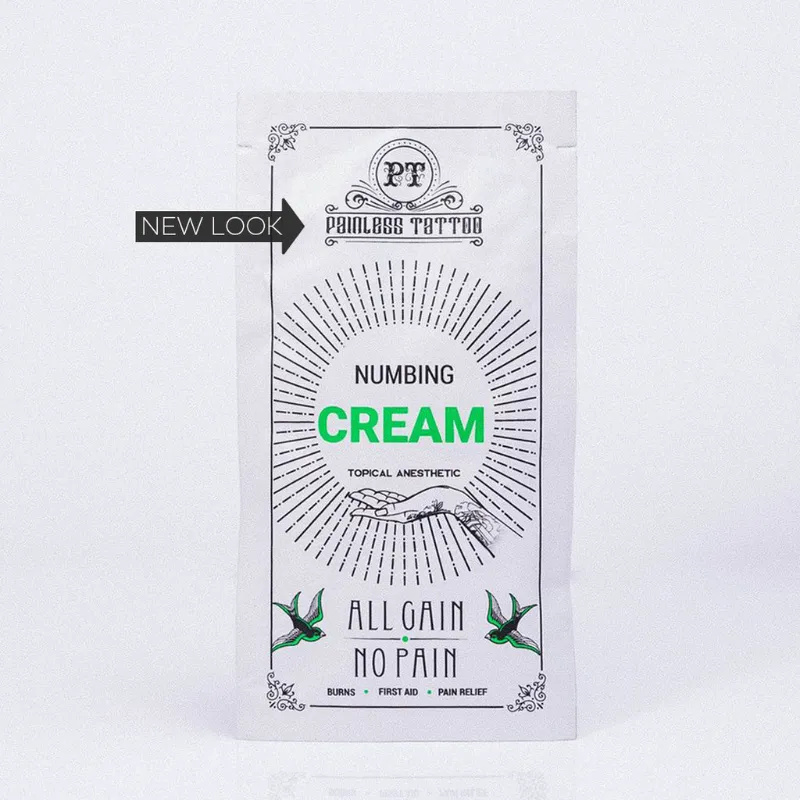
Yes, you can use the best tattoo numbing cream on sensitive skin as long as you choose a formula designed for reactive or allergy-prone skin and perform a patch test 24 hours before your tattoo session. The key is selecting products with minimal additives, no harsh preservatives, and proven active ingredients like lidocaine or benzocaine in appropriate concentrations. We tested options from Painless Tattoo and other trusted brands to find which formulas work best for clients with sensitivities.
Many people with sensitive skin worry that numbing agents will trigger irritation, redness, or allergic reactions. While the concern is valid, modern formulations like lidocaine tattoo numbing cream and hush numbing cream have been refined to reduce common irritants while maintaining effective pain relief during tattoo sessions.
What Makes Numbing Cream Safe for Sensitive Skin
The safest numbing creams for sensitive skin share several characteristics. Look for products that are hypoallergenic, fragrance-free, and formulated with pharmaceutical-grade active ingredients. Mad rabbit numbing cream and similar professional-grade options typically avoid dyes, parabens, and synthetic fragrances that commonly trigger reactions.
Key safe ingredients include:
- Lidocaine (4-5% concentration) blocks nerve signals without requiring deep penetration
- Aloe vera or chamomile soothes skin and reduces inflammation
- Vitamin E protects the skin barrier during application
- Minimal preservatives reduce the risk of contact dermatitis
Avoid products with high concentrations of benzocaine if you have a history of allergic reactions to ester-type anesthetics. Some formulas marketed as best tattoo numbing cream may contain 10% or higher lidocaine, which can be too strong for reactive skin and increase irritation risk.
How to Patch Test Before Your Tattoo Session
Never skip a patch test if you have sensitive skin. Apply a small amount of your chosen numbing cream for tattoo to the inside of your forearm or behind your ear 24 to 48 hours before your appointment. Leave it on for the recommended duration (usually 30-60 minutes), then wipe it off and monitor the area.
Watch for these warning signs:
- Redness that persists beyond 2 hours
- Itching, burning, or stinging sensations
- Raised bumps or hives
- Swelling or blistering
If you experience any reaction, contact your tattoo artist and consider alternatives. Some clients find that tattoo butter works better as a post-session soother rather than a pre-numbing agent, minimizing exposure to active anesthetics altogether.
Best Numbing Cream Options for Reactive Skin
We recommend starting with formulas specifically designed for sensitive applications. The best numbing cream for tattoos balances effectiveness with gentleness, typically using 4-5% lidocaine rather than maximum-strength formulations.
Professional tattoo artists often recommend products like tattoo numbing cream co for clients with known sensitivities because they undergo dermatological testing and avoid common allergens. You can grab the code for current pricing on hypoallergenic options.
| Product Type | Active Ingredient | Best For |
|---|---|---|
| Lidocaine-based cream | 4-5% lidocaine | Most sensitive skin types |
| Benzocaine-free formula | Lidocaine + prilocaine | Ester-anesthetic allergies |
| Aloe-enriched cream | Lidocaine + aloe vera | Dry or irritated skin |
Other options worth considering include painless tattoo cream and blt cream numbing, both of which have earned positive feedback from users with reactive skin on forums discussing the best tattoo numbing cream reddit threads.
Application Tips to Minimize Irritation
Even with a safe formula, application technique matters. Cleanse the tattoo area with mild, fragrance-free soap and pat completely dry before applying numbing cream. Damaged, sunburned, or already irritated skin should never receive topical anesthetics.
Apply a thick, even layer of best tattoo numbing creams and cover with plastic wrap to increase absorption. Most products require 30-60 minutes to take effect. Never leave numbing cream on longer than the manufacturer recommends, as extended exposure increases irritation risk even in non-sensitive individuals.
Remove the cream thoroughly before your tattoo artist begins work. Residual product can interfere with ink absorption and may cause the artist to apply more pressure, defeating the purpose of numbing.
When to Skip Numbing Cream Entirely
Some skin conditions make numbing cream too risky. If you have active eczema, psoriasis flare-ups, or open wounds near the tattoo site, postpone numbing cream use until your skin heals. Similarly, if you have a documented allergy to local anesthetics used in dental or medical procedures, consult your doctor before using any topical numbing agent.
Pregnant or nursing clients should avoid most numbing products unless approved by their healthcare provider. While topical absorption is minimal, the best long lasting numbing cream for tattoos may contain concentrations that pose theoretical risks.
For very small tattoos or touch-ups, consider whether you need numbing at all. Many people with sensitive skin tolerate short sessions better without introducing additional products that might complicate healing.
Alternatives and Post-Tattoo Care
If you discover through patch testing that even gentle formulas irritate your skin, discuss alternatives with your tattoo artist. Some studios offer spray-on numbing solutions with different ingredient profiles, or they may suggest breaking your session into shorter appointments.
After your tattoo, sensitive skin requires extra care. Use fragrance-free, hypoallergenic moisturizers and avoid products with alcohol or menthol. Check the latest price on aftercare bundles that pair numbing solutions with skin-friendly healing ointments.
Options like zensa numbing cream and tktx numbing cream have also gained attention in 2026 for their reformulated sensitive-skin versions. Compare ingredients carefully and prioritize products with shorter ingredient lists and transparent sourcing. When searching for the best tattoo numbing cream on amazon or other retailers, read recent reviews from verified purchasers with similar skin concerns to yours.
The right preparation makes all the difference. With careful product selection, proper patch testing, and attention to application technique, sensitive skin clients can safely use numbing cream to make their tattoo experience more comfortable.
Frequently asked questions
Can I use numbing cream if I have eczema or psoriasis?
Avoid using numbing cream on active eczema or psoriasis flare-ups. Wait until your skin is clear and healed, then perform a patch test on unaffected skin before your tattoo session.
How long should I patch test tattoo numbing cream?
Apply a small amount to your inner forearm or behind your ear 24 to 48 hours before your appointment. Monitor the area for redness, itching, or swelling after removing the cream.
What percentage of lidocaine is safe for sensitive skin?
Most dermatologists recommend 4-5% lidocaine for sensitive skin. Higher concentrations increase the risk of irritation without significantly improving numbing effectiveness for most people.
Is hush numbing cream good for reactive skin?
Hush numbing cream is formulated with hypoallergenic ingredients that many people with reactive skin tolerate well. Always patch test first, especially if you have a history of contact dermatitis.
Can pregnant women use tattoo numbing cream?
Pregnant and nursing women should consult their healthcare provider before using any topical anesthetic. Most doctors recommend avoiding numbing products during pregnancy due to limited safety data.
What ingredients should I avoid in numbing cream if I have allergies?
Avoid benzocaine if you have ester-anesthetic allergies, and skip products with parabens, synthetic fragrances, or artificial dyes. Look for fragrance-free, hypoallergenic formulas with minimal preservatives.