
Best Ways to Use Santa Barbara Cocoa Powder for Baking and Drinks

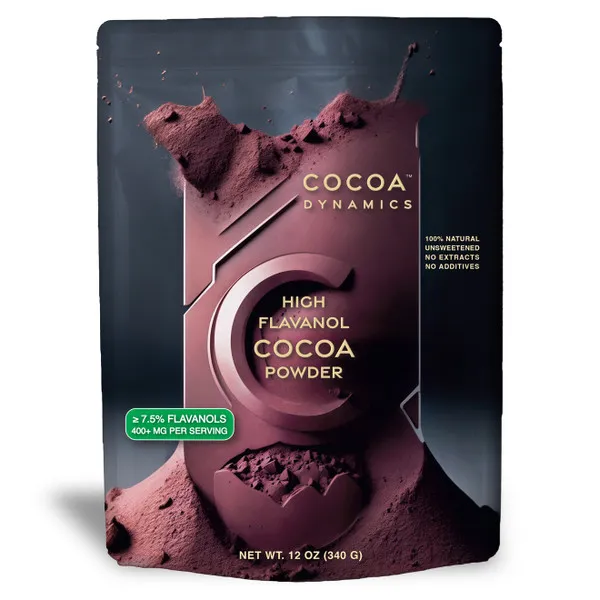
Santa Barbara cocoa powder delivers rich chocolate flavor to baked goods and beverages without added sugar or fats. This pure ingredient works in everything from cakes and cookies to hot drinks and smoothies, offering versatility that makes it a pantry staple for home bakers and chocolate lovers alike.
What Makes Santa Barbara Cocoa Powder Different
Santa Barbara's cocoa powder stands out for its consistent quality and fine texture that dissolves smoothly in both batters and liquids. Unlike generic supermarket options, this premium powder undergoes careful processing to preserve the natural cocoa solids while removing most of the cocoa butter. The result is an intensely flavored powder that measures around 10-12% fat content, making it ideal for recipes where you control the fat separately.
Cocoa powder comes in two main types: natural and Dutch-processed. Natural cocoa powder has a lighter color and more acidic, fruity notes that work beautifully in recipes using baking soda as a leavener. Dutch-processed cocoa is treated with an alkalizing agent for a darker color, milder flavor, and smoother texture. We find Santa Barbara's version works especially well in brownies, chocolate cakes, and frostings where deep chocolate flavor matters most.
For current pricing and to grab our exclusive discount code, check the store page directly.
Cocoa Powder vs Cacao Powder: Which Should You Use
Many bakers wonder about cocoa powder vs cacao powder when shopping for chocolate ingredients. Cacao powder is made from cold-pressed raw cacao beans, retaining more antioxidants and a slightly bitter, complex flavor profile. Cocoa powder, by contrast, is roasted at higher temperatures, creating a smoother, more familiar chocolate taste that most recipes are designed around.
Key differences:
- Flavor: Cacao tastes more intense and slightly acidic; cocoa is mellower and sweeter
- Processing: Cacao is raw or minimally heated; cocoa is roasted
- Nutrition: Cacao retains more flavonoids and antioxidants due to minimal processing
- Baking: Most traditional recipes call for cocoa powder for predictable results
For baking applications like cakes, cookies, and brownies, stick with cocoa powder for baking because recipes are formulated around its specific acidity and flavor. Save cacao powder for raw desserts, smoothies, or health-focused recipes where you want maximum cocoa powder nutrition and antioxidant content. According to WebMD's nutrition guide, both forms offer impressive cocoa powder benefits including heart-healthy flavonoids and mood-boosting compounds.
Best Baking Applications for Cocoa Powder
Santa Barbara cocoa powder shines in recipes where chocolate flavor takes center stage. The fine grind ensures even distribution throughout batters and doughs, eliminating lumps that plague coarser powders.
Top baking uses:
- Chocolate cakes and cupcakes: Sift 1/2 to 3/4 cup into your dry ingredients for deep chocolate flavor without greasiness
- Brownies: Use 3/4 cup for fudgy, intensely chocolatey brownies that rival those made with melted chocolate
- Cookies: Add 1/4 to 1/2 cup to sugar cookie or shortbread dough for chocolate variations
- Buttercream and frostings: Whip 1/2 cup into softened butter with powdered sugar for silky chocolate frosting
- Dusting and decoration: Sift over finished cakes, truffles, or tiramisu for an elegant finish
When measuring cocoa powder for baking, always sift it first to remove clumps and aerate the powder. This prevents dense pockets of cocoa in your finished baked goods. Most recipes call for 1/4 to 3/4 cup per batch, depending on how intense you want the chocolate flavor.
For recipes that also incorporate solid chocolate, pair the powder with Santa Barbara dark chocolate or belgian chocolate to layer flavor depth and add richness from the cocoa butter those bars contain.
Making Perfect Hot Chocolate and Chocolate Drinks
Cocoa powder transforms simple beverages into rich chocolate drinks when you know the right technique. The key is creating a smooth paste first, then gradually adding liquid to prevent lumps.
Basic hot cocoa method:
- Combine 2 tablespoons cocoa powder with 1-2 tablespoons sugar in a mug
- Add 2-3 tablespoons hot water or milk and stir into a smooth paste
- Gradually whisk in 1 cup heated milk (dairy or plant-based)
- Adjust sweetness and top with marshmallows or whipped cream
For an even faster option, Santa Barbara's hot chocolate mix comes pre-sweetened and blended for instant preparation, though pure cocoa powder gives you complete control over sweetness and flavor intensity.
Other drink applications:
- Chocolate smoothies: Blend 1-2 tablespoons with banana, milk, and ice for a healthy chocolate shake
- Mocha coffee: Stir 1 tablespoon into your morning coffee with a touch of sugar
- Chocolate milk: Whisk powder and sweetener into cold milk for a lighter chocolate drink
- Vegan hot chocolate: Use plant milk and pair with vegan chocolate for dairy-free indulgence
The cocoa powder healthy attributes shine in unsweetened or lightly sweetened drinks, where you control added sugar while still getting the flavonoid benefits and rich chocolate satisfaction.
Storage and Shelf Life Tips
Proper storage keeps your cocoa powder fresh and prevents it from absorbing odors or moisture. Store the powder in an airtight container in a cool, dark pantry away from heat sources and strong-smelling foods. Cocoa powder ingredients are simple (just ground cocoa solids), but the fine particles readily absorb humidity and odors from nearby items like spices or coffee.
Storage best practices:
- Container: Transfer to an airtight glass or plastic container after opening
- Location: Cool, dark pantry between 60-70°F, never the refrigerator
- Duration: Properly stored cocoa powder lasts 2-3 years unopened, 1-2 years after opening
- Signs of spoilage: Off smell, clumping that won't break up, or visible mold (rare but discard immediately)
Before using powder that's been sitting for a while, give it a quick smell test. Fresh cocoa powder has a clean, chocolatey aroma. Any musty, sour, or chemical smell means it's time to replace it. Check our coupon page for current deals on fresh cocoa powder and other Santa Barbara products.
Comparing Popular Cocoa Powder Brands
While we focus on Santa Barbara products, understanding how different brands compare helps you make informed choices. Here's how premium cocoa powder stacks up against common alternatives:
| Brand | Type | Best For | Texture |
|---|---|---|---|
| Santa Barbara | Natural/Dutch | All-purpose baking & drinks | Fine, smooth |
| Ghirardelli | Dutch-processed | Dark chocolate recipes | Medium-fine |
| Hershey's | Natural | Budget-friendly everyday baking | Slightly coarse |
| Valrhona | Dutch-processed | Professional baking | Ultra-fine |
According to The Kitchn's blind taste test, the best cocoa powders balance deep flavor, fine texture, and consistent performance across both baking and beverage applications. Santa Barbara hits all three marks while offering excellent value, especially when you apply our discount code at checkout.
For specialized applications, you might also explore white chocolate for contrast in desserts or chocolate truffles when you want ready-made confections alongside your baking projects.
Recipe Ideas and Serving Suggestions
Push beyond basic brownies with these creative applications for cocoa powder:
Savory cooking: Add 1-2 tablespoons to chili, mole sauce, or barbecue rubs for depth without sweetness. The cocoa powder benefits extend to savory dishes, where chocolate's bitter notes balance spice and acid.
Breakfast treats: Swirl cocoa powder into oatmeal, pancake batter, or yogurt parfaits for morning chocolate without guilt. Mix with chia seeds for chocolate chia pudding that satisfies sweet cravings while delivering fiber and antioxidants.
Frozen desserts: Blend into ice cream bases or no-churn frozen desserts. Cocoa powder prevents ice crystallization better than melted chocolate in some frozen applications.
Energy bites: Combine with dates, nuts, and oats for no-bake protein balls that taste like brownies but pack nutritious ingredients.
The beauty of pure cocoa powder lies in its adaptability. Whether you're baking a celebration cake, whisking together a cozy mug of hot cocoa, or experimenting with chocolate in unexpected places, Santa Barbara cocoa powder delivers consistent, rich chocolate flavor that makes every recipe better.
Frequently asked questions
What is the difference between cocoa powder and cacao powder?
Cocoa powder is roasted at higher temperatures for a smoother, familiar chocolate flavor that works in traditional baking recipes. Cacao powder is cold-pressed from raw beans, retaining more antioxidants and a more intense, slightly bitter taste that works best in smoothies and raw desserts.
How much cocoa powder should I use in baking?
Most recipes call for 1/4 to 3/4 cup of cocoa powder per batch. Use 1/2 to 3/4 cup for chocolate cakes and fudgy brownies, 1/4 to 1/2 cup for chocolate cookies, and always sift before measuring to prevent lumps.
Can I substitute cocoa powder for melted chocolate in recipes?
You can substitute 3 tablespoons cocoa powder plus 1 tablespoon fat (butter or oil) for every 1 ounce of unsweetened chocolate. For semisweet or bittersweet chocolate, add sugar to taste. The texture and moisture balance may vary slightly from the original recipe.
Does cocoa powder go bad?
Cocoa powder lasts 2-3 years unopened and 1-2 years after opening when stored in an airtight container in a cool, dark pantry. Discard it if you notice musty odors, unusual clumping, or visible mold.
Is cocoa powder healthy to drink every day?
Unsweetened cocoa powder contains flavonoids and antioxidants that may support heart health and mood when consumed in moderation. A tablespoon or two in drinks or smoothies daily is generally safe for most people, but watch added sugar in sweetened preparations.
What makes Santa Barbara cocoa powder good for hot chocolate?
Santa Barbara cocoa powder has a fine texture that dissolves smoothly in liquids when you first mix it into a paste with a small amount of hot water or milk. This prevents lumps and creates rich, velvety hot chocolate with deep chocolate flavor you can sweeten to taste.