
Cocoa Powder vs Cacao Powder: What's the Difference and Which Should You Buy?

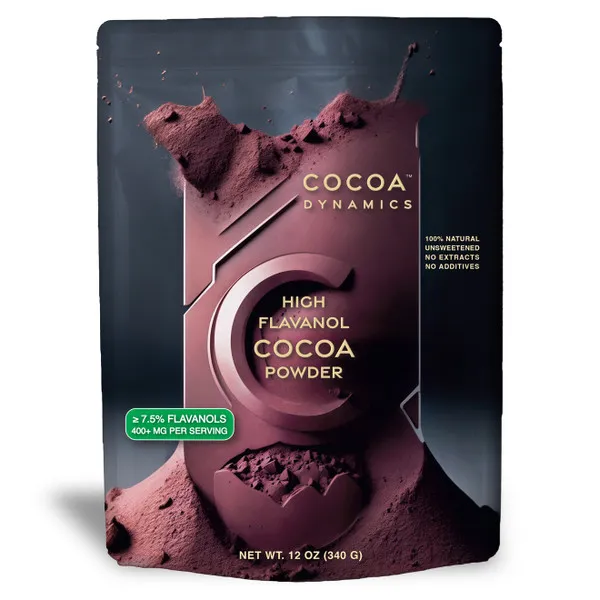
What's the Difference Between Cocoa Powder and Cacao Powder?
Cocoa powder is roasted at high temperatures (above 300°F), then processed to remove most of the cocoa butter, creating a smooth, mellow powder perfect for baking and hot drinks. Cacao powder is cold-pressed from raw cacao beans at lower temperatures, preserving more antioxidants and enzymes but delivering a sharper, more bitter flavor. Both start as fermented cacao beans, but heat and processing separate them in taste, nutrition, and kitchen performance.
If you bake often or make hot chocolate mix, the roasted, milder profile of cocoa powder usually wins. For smoothies, raw treats, or maximum nutrient retention, cacao powder takes the lead.
Processing: How Heat Changes Everything
The roasting step defines cocoa. Manufacturers roast cacao beans at temperatures between 250°F and 350°F, which deepens the chocolate flavor, reduces bitterness, and makes the powder dissolve more easily in liquids. After roasting, the beans are ground into a paste (chocolate liquor), pressed to extract cocoa butter, then pulverized into the fine powder we recognize.
Cacao powder skips the high-heat roast. Instead, raw beans are fermented, dried, and cold-pressed below 118°F to retain heat-sensitive nutrients. The result is a coarser texture, a more astringent bite, and a darker, almost purple-brown hue. You'll notice the difference the moment you open the tin.
For classic brownies, cookies, or chocolate truffles, cocoa powder for baking delivers the familiar, rounded chocolate taste home bakers expect. Cacao powder shines in no-bake energy balls, acai bowls, and recipes where you want a raw, intense cacao punch.
Cocoa Powder Nutrition vs Cacao Powder Benefits
Cacao powder edges ahead on paper. Because it avoids high heat, it retains more flavonoids (plant antioxidants linked to heart health) and magnesium. A typical two-tablespoon serving of raw cacao delivers around 50 mg of magnesium and a higher ORAC antioxidant score than its roasted cousin.
Cocoa powder still offers solid cocoa powder nutrition: iron, fiber, and polyphenols survive roasting in meaningful amounts. The difference is real but not dramatic for most people. If you already eat a varied diet with plenty of vegetables and whole grains, swapping one for the other won't transform your health overnight.
Key nutrient comparison (per 2 tbsp):
| Nutrient | Cacao Powder | Cocoa Powder |
|---|---|---|
| Calories | ~30 | ~25 |
| Magnesium | ~50 mg | ~30 mg |
| Iron | ~1.5 mg | ~1.2 mg |
| Flavonoids | Higher | Moderate |
Both are low in sugar and fat, making them useful additions to smoothies, oatmeal, or vegan and chocolate recipes. The cocoa powder benefits include easier digestion for some people, since roasting breaks down certain tannins that can feel harsh on an empty stomach.
Flavor and Texture: What Works Where
Cocoa powder tastes like the chocolate you grew up with: warm, slightly sweet, and forgiving. It blends smoothly into cake batter, dissolves cleanly in milk for hot cocoa, and pairs well with sugar and vanilla. Dutch-process cocoa (treated with alkali to neutralize acidity) goes even mellower and darker, ideal for recipes that call for baking soda.
Cacao powder is assertive. It carries a fruity, almost wine-like acidity and a bitter edge that some love and others find overpowering. The texture can be slightly gritty, so it's less popular in delicate batters but excellent in chia pudding, protein shakes, or raw desserts where bold flavor is an asset.
We've found that swapping cacao powder into a traditional brownie recipe often requires extra sweetener and fat to balance the bitterness. Conversely, using cocoa powder in a raw truffle can taste flat. Choose based on the recipe's foundation: baked and sweet, reach for cocoa; raw and nutrient-dense, grab cacao.
If you want the best of both, keep a tin of each. Use cocoa powder for everyday baking and cacao powder when you're blending something cold or chasing maximum antioxidants. Santa Barbara Chocolate offers both options, and you can grab the latest pricing and our exclusive code to save 10% sitewide.
Cocoa Powder for Baking: Tips and Substitutions
Most American recipes default to natural (non-alkalized) cocoa powder, which has a pH around 5.5 and reacts with baking soda to create lift. If your recipe includes baking soda but no baking powder, stick with natural cocoa or the chemistry won't work.
Dutch-process cocoa is darker, smoother, and neutral in pH, so it pairs with baking powder instead. European recipes and high-end dark chocolate desserts often call for it. The two aren't always interchangeable, but in forgiving recipes like brownies or muffins, you can swap them 1:1 and adjust leavening if needed.
Quick baking swaps:
- Cocoa powder to cacao powder: Use a 1:1 ratio, but add 1 to 2 tablespoons extra sugar and a pinch of salt to tame bitterness.
- Cacao powder to cocoa powder: Swap 1:1; you may need slightly less sugar.
- Cocoa powder to melted chocolate: Replace 3 tablespoons cocoa + 1 tablespoon fat with 1 ounce melted dark chocolate.
Always sift cocoa or cacao before adding to batter. Both can clump, and lumps won't dissolve once mixed with eggs or butter.
Which Should You Buy?
Buy cocoa powder if you bake regularly, make hot cocoa for the family, or prefer a classic chocolate flavor that works in any recipe. It's more affordable, easier to find, and behaves predictably in the oven. A quality natural or Dutch-process tin from Santa Barbara Chocolate will cover 90% of your chocolate powder needs.
Buy cacao powder if you blend smoothies, follow raw-food recipes, or want to maximize antioxidant intake. It costs a bit more, but the nutrient density and bold flavor justify the premium for health-focused cooks. Look for organic, cold-pressed options to ensure you're getting the real thing.
Choose cocoa powder for:
- Cakes, brownies, cookies, and muffins
- Hot chocolate and mochas
- Dusting chocolate truffles or tiramisu
- Budget-friendly everyday use
Choose cacao powder for:
- Smoothie bowls and protein shakes
- Raw energy bars and truffles
- Chia pudding or overnight oats
- Maximum flavonoid retention
Many home cooks keep both on hand and reach for the one that fits the recipe. If you're stocking up, check our coupon page for current discounts on bulk sizes and bundles that include hot chocolate mix, white chocolate, and belgian chocolate alongside your powders.
Storing and Shelf Life
Both cocoa and cacao powder are shelf-stable for one to three years when stored in a cool, dark pantry. Keep the container tightly sealed to prevent moisture and odors from sneaking in. Cocoa powder's lower fat content makes it less prone to rancidity than cacao, but both will lose potency over time.
If your powder smells musty, tastes flat, or has hardened into a brick, it's time to replace it. Fresh powder should smell rich and chocolatey (or sharp and fruity in the case of cacao) the moment you open the tin.
Refrigeration isn't necessary and can introduce condensation, which clumps the powder. A pantry shelf away from the stove is ideal. If you buy in bulk, portion some into a smaller jar for daily use and keep the rest sealed to extend freshness.
Frequently asked questions
Can I use cacao powder instead of cocoa powder in baking?
Yes, you can swap them 1:1 in most recipes, but cacao powder is more bitter and may require an extra tablespoon or two of sugar to balance the flavor. It works best in forgiving recipes like brownies or muffins.
Is cocoa powder healthy for daily use?
Cocoa powder is rich in antioxidants, iron, and magnesium, making it a healthy addition to smoothies, oatmeal, or baked goods when used in moderation. It's low in fat and sugar, especially compared to chocolate bars.
Which has more antioxidants, cocoa or cacao powder?
Cacao powder typically contains more antioxidants because it's processed at lower temperatures, preserving heat-sensitive flavonoids. The difference is meaningful but not huge, and both offer solid nutritional benefits.
Does cocoa powder expire?
Cocoa powder stays fresh for one to three years when stored in a sealed container in a cool, dry place. It won't spoil like dairy, but it will lose flavor and aroma over time.
What's the difference between natural and Dutch-process cocoa powder?
Natural cocoa powder is acidic and reacts with baking soda to create lift in recipes. Dutch-process cocoa is treated with alkali to neutralize acidity, giving it a darker color, milder flavor, and compatibility with baking powder instead.
Can I make hot chocolate with cacao powder?
You can, but cacao powder's bitter, astringent flavor requires more sweetener and doesn't dissolve as smoothly as roasted cocoa powder. For classic hot chocolate, cocoa powder or a dedicated hot chocolate mix works better.