
How to Choose Between Bifocal and Progressive Lenses: A Buyer's Guide

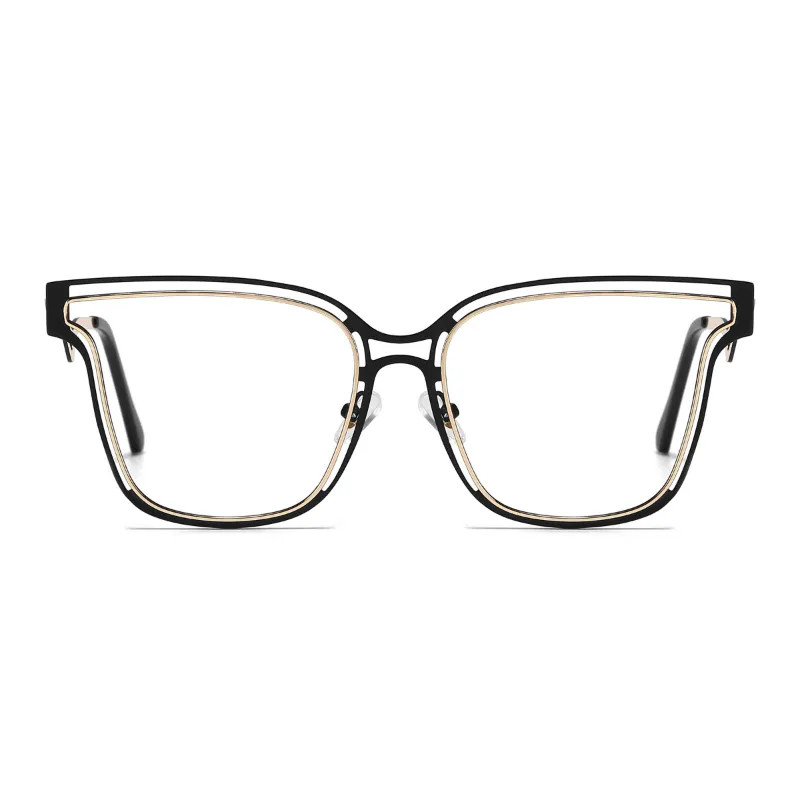
Understanding Bifocal Glasses vs Progressive Lenses
Bifocal glasses correct both near and distance vision with two distinct optical zones separated by a visible line, while progressive lenses offer a gradual transition between multiple focal points without any visible line. The right choice depends on your specific vision needs, lifestyle, and how quickly you adapt to new eyewear.
Both lens types solve presbyopia, the age-related loss of near-focus ability that typically begins around age 40. Understanding the core differences helps you make an informed decision that matches your daily activities and visual priorities.
What Bifocal Glasses Mean and How They Work
Bifocals feature two separate prescription zones in a single lens. The upper portion corrects distance vision for activities like driving or watching television, while the lower segment handles close-up tasks such as reading or using your phone. The dividing line between these zones is visible and marks an abrupt change in magnification.
Traditional bifocal glasses with line offer several advantages:
- Immediate adaptation – most wearers adjust within days because each zone has a dedicated, wide viewing area
- Lower cost – bifocals typically run 20 to 40% less than progressives
- Clear zones – the full width of each section provides distortion-free vision
- Simple prescription – easier for opticians to fabricate and verify
The visible line can be a cosmetic concern for some wearers, though modern flat-top designs are less noticeable than older round-segment styles. You can explore frame options like browline glasses or cat eye glasses that draw attention to the frame rather than the lens line.
Progressive Lenses: The Line-Free Alternative
Progressive lenses eliminate the visible bifocal line by blending distance, intermediate, and near vision into a single graduated lens. This creates a more natural visual experience and youthful appearance, which is why many people search for bifocal glasses without line when they really mean progressives.
Key characteristics of progressive lenses include:
- No visible line – seamless cosmetic appearance
- Intermediate zone – critical for computer work and dashboard viewing
- Gradual power change – mimics natural eye focus more closely
- Narrower clear zones – peripheral distortion requires head movement to stay in the viewing corridor
Progressives demand a longer adaptation period, typically two to three weeks. Some wearers experience initial dizziness or difficulty with stairs because the lower peripheral areas contain unwanted magnification. Check the latest price on progressive options to see if the investment fits your budget.
Comparing Bifocal Glasses vs Progressive: Side by Side
| Feature | Bifocal Glasses | Progressive Lenses |
|---|---|---|
| Visible line | Yes, distinct separation | No line, seamless blend |
| Viewing zones | Two (distance, near) | Three+ (distance, intermediate, near) |
| Adaptation time | 3-7 days typical | 2-3 weeks typical |
| Cost | Lower baseline | 30-50% premium |
| Peripheral distortion | Minimal | Moderate in side areas |
| Computer use | Requires head tilt | Dedicated intermediate zone |
The bifocal glasses purpose centers on simplicity and function, while progressives prioritize aesthetics and a broader range of focal distances. Neither is objectively better; the right choice aligns with your priorities.
Who Should Choose Bifocal Glasses
Bifocals work exceptionally well for wearers who:
- Need fast adaptation – if you are trying multifocals for the first time and want minimal adjustment hassle
- Have a tight budget – the bifocal glasses cost advantage leaves room for multiple pairs or upgraded frames
- Primarily read and drive – limited need for intermediate distances like computer screens
- Prefer wider reading zones – crafts, detailed work, and extended reading benefit from the full-width near segment
- Experienced motion sensitivity – the stable, predictable zones reduce dizziness compared to progressive corridors
Many wearers pair bifocals with prescription sunglasses that use single-vision distance lenses for outdoor activities, then switch to bifocals indoors. You can also find optical glasses cheap frames to rotate styles while keeping costs manageable.
Bifocal reading glasses clear on top are a popular variation for people who do not need distance correction but want hands-free magnification for close work while maintaining normal upper vision.
Who Should Choose Progressive Lenses
Progressives suit wearers who:
- Work at computers extensively – the intermediate zone is essential for screen viewing without neck strain
- Value cosmetic appearance – no visible line creates a more modern, youthful look
- Need all-distance vision – smoothly transition from reading a menu to viewing across a restaurant to driving home
- Wear glasses full-time – progressives become second nature when worn consistently throughout the day
- Are willing to invest time – the adaptation period pays off with more natural vision once mastered
Frame choice matters more with progressives because lens height affects the size of each viewing zone. Taller frames like clear frame glasses or aviator spectacle styles provide more room for the progressive corridor. Grab the code for 15% off sitewide when you are ready to order.
Making Your Final Decision
Start by evaluating your primary activities. If you spend six hours daily at a computer, progressives deliver better ergonomics. If you mainly read books and drive, bifocals provide simpler, more affordable correction with less adaptation struggle.
Consider ordering a trial pair through inexpensive eyewear options to test your choice before committing to premium frames. Many wearers who initially resist the bifocal line discover the functional benefits outweigh cosmetic concerns, while others find progressives worth the adjustment period for all-day versatility.
Consult your optometrist about your bifocal glasses prescription requirements. Some complex prescriptions work better in bifocals due to manufacturing limitations in progressives. Your eye care professional can measure your pupillary distance and fitting height to optimize either lens type.
Frame style also influences your experience. Tortie glasses and bold designs can make bifocal lines less noticeable, while minimalist frames showcase the clean look of progressives. Pair your choice with blue light blocking glasses coating if you spend significant time on digital devices.
The guide to bifocals and multifocals from optometry professionals offers additional technical details on lens design and fitting considerations. Understanding what bifocals are and how they work helps you set realistic expectations for either option.
Ultimately, the best lens type is the one you will actually wear consistently. Both bifocals and progressives effectively correct presbyopia when properly prescribed and fitted. Your lifestyle, budget, and personal preferences matter more than following trends or assumptions about which technology is superior.
Frequently asked questions
Can I switch from bifocals to progressive lenses later?
Yes, you can switch at any time, though expect a two to three week adaptation period as your brain learns to use the progressive corridor. Many optometrists recommend trying progressives sooner rather than later because younger wearers typically adapt faster.
Are bifocal glasses harder to wear than single-vision lenses?
Bifocals require a brief adjustment to learn where to look through each zone, but most wearers adapt within a few days. The distinct zones actually make them easier to master than progressives for first-time multifocal users.
Do progressive lenses work for everyone?
About 90% of wearers successfully adapt to progressives, but some people struggle with the peripheral distortion or narrow viewing corridor. Your prescription strength, frame choice, and willingness to practice all influence success rates.
What is the cost difference between bifocal and progressive lenses?
Progressives typically cost 30 to 50% more than bifocals due to more complex manufacturing. Exact pricing varies by lens material, coatings, and brand, so check with your provider for current rates.
Can I get bifocal prescription sunglasses?
Yes, bifocals are available in sunglass form and work well for outdoor activities where you need both distance vision and the ability to read a phone or map. Many wearers keep separate pairs for indoor and outdoor use.
Which lens type is better for driving?
Both work for driving, but bifocals offer a wider, distortion-free distance zone while progressives provide easier dashboard viewing through the intermediate zone. Your preference depends on whether you prioritize peripheral clarity or instrument readability.