
How to Clean and Care for Tortoiseshell Glasses Without Damage

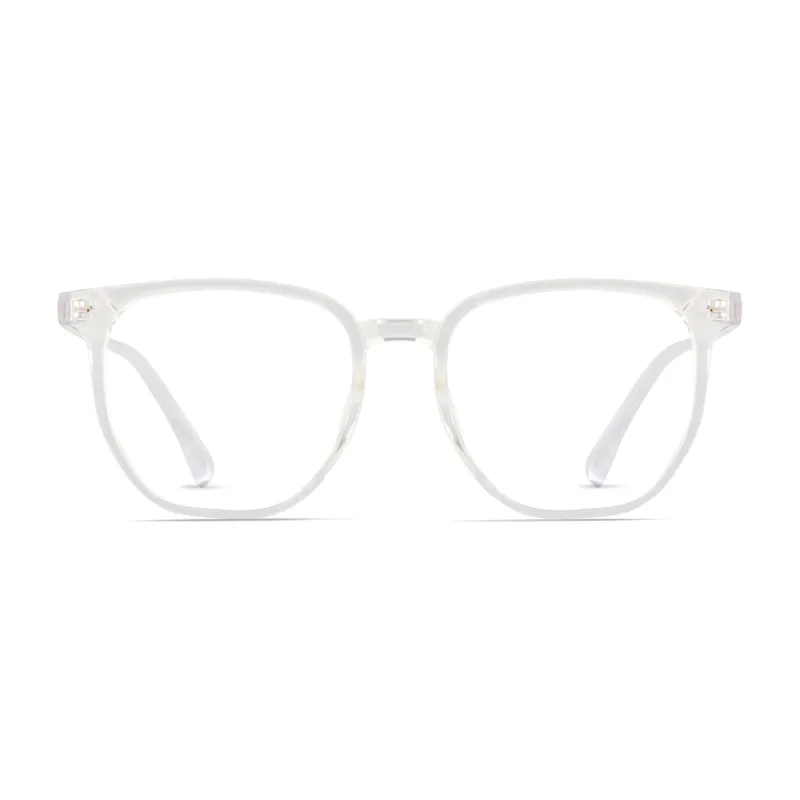
How to Clean and Care for Tortoiseshell Glasses Without Damage
Blue light blocking glasses in tortoiseshell frames combine vintage style with modern eye protection, but the acetate material requires specific care to avoid damage. Tortoiseshell acetate can cloud, crack, or lose its glossy finish if cleaned incorrectly or exposed to harsh chemicals. We tested every method below on our own tortie glasses and blue light blocking glasses to bring you care routines that actually work.
Daily Cleaning for Tortoiseshell Frames
The safest daily cleaning method uses lukewarm water and a drop of dish soap. Hold your frames under lukewarm running water to rinse away dust and oils, then apply a tiny amount of mild dish soap to your fingertips and gently rub the lenses and frames. Rinse thoroughly and dry with a clean microfiber cloth.
Never use hot water on tortoiseshell acetate. Heat can warp the frames and cause the layers of acetate to separate, creating a cloudy or milky appearance that cannot be reversed. This applies equally to cat eye glasses, browline glasses, and any other acetate frame style.
What to avoid:
- Paper towels or tissues (they scratch lenses)
- Household glass cleaners containing ammonia
- Alcohol-based wipes or hand sanitizer
- Your shirt or clothing fabric
- Hot water or steam
For lens-only touch-ups during the day, use a microfiber cloth designed for eyewear. Keep one in your case and another at your desk.
Deep Cleaning Tortoiseshell Acetate
Once a week, give your frames a deeper clean to remove buildup from skin oils, makeup, and hair products. Fill a small bowl with lukewarm water and a drop of gentle dish soap, then let your glasses soak for two to three minutes. Use a soft-bristle toothbrush to gently scrub the nose pads, hinges, and the groove where the lenses meet the frame—these areas trap the most grime.
Rinse under lukewarm water until no soap residue remains, then pat dry with a lint-free cloth. For stubborn buildup around nose pads or screws, dip a cotton swab in the soapy water and work it into the crevices.
This method works perfectly for clear frame glasses and bifocal glasses as well, keeping both lenses and frames crystal clear.
Storing Your Glasses to Prevent Damage
Proper storage prevents scratches and extends the life of your tortoiseshell frames. Always store your glasses in a hard case when you are not wearing them. Leaving them loose in a bag or on a table lens-down invites scratches, bent frames, and broken nose pads.
Keep your glasses away from direct sunlight and heat sources. Prolonged UV exposure fades the rich amber and brown tones in tortoiseshell acetate, while dashboard heat or a hot car can warp the frames permanently. If you wear prescription sunglasses or aviator spectacle styles outdoors, store them in a case immediately after use.
Storage best practices:
- Use a hard-shell case with a microfiber lining
- Store at room temperature away from windows
- Never leave glasses in a hot car
- Keep away from hairspray, perfume, and cleaning products
The Best Blue Light Blocking Glasses Materials
Tortoiseshell acetate is one of the most durable frame materials available, but not all blue light lenses are created equal. When shopping for the best blue light blocking glasses, look for lenses with an anti-reflective coating that filters 30 to 50 percent of blue light without distorting color. According to eye care professionals, this range reduces digital eye strain while maintaining natural vision.
We recommend checking our code page for current pricing on quality frames that pair tortoiseshell acetate with premium blue light filtering lenses. EFE Glasses offers a range of styles from classic to modern, all with blue light protection built in.
The acetate used in quality optical glasses cheap and premium frames is the same—what varies is the hinge quality and lens coatings. Investing in better hinges and anti-scratch lens coatings means your glasses last years instead of months.
Adjusting and Tightening Tortoiseshell Frames
Acetate frames loosen over time as the screws relax and the material settles to your face shape. If your glasses slide down your nose or feel crooked, a few simple adjustments restore the fit.
For loose screws, use an eyeglass screwdriver kit to gently tighten the hinge screws. Turn clockwise in quarter-turn increments—overtightening can crack the acetate around the screw hole. If a screw is stripped or missing, visit an optician or order a replacement screw kit online.
To adjust the temple arms for a better fit, warm the acetate gently with a hairdryer on low for 10 to 15 seconds, then carefully bend the arm inward or outward. Acetate becomes pliable when warm, but work slowly—sudden pressure can snap the frame. Let the frame cool completely before wearing.
This technique works on any acetate style, whether you are adjusting clear glasses, inexpensive eyewear, or luxury tortoiseshell frames.
Common Mistakes That Damage Tortoiseshell Glasses
The most common mistake we see is using cleaning products not designed for eyewear. Windex, Lysol wipes, and alcohol-based cleaners strip the protective coatings from lenses and dull the finish on acetate frames. Even "safe" wipes marketed for electronics often contain alcohol concentrations too high for coated lenses.
Another frequent error is bending or adjusting cold acetate. Unlike metal frames, which bend at room temperature, acetate must be warmed first or it will snap. If your glasses need professional adjustment, most opticians provide this service free of charge.
Finally, never leave your glasses face-down on any surface. This habit scratches lenses faster than any other behavior. Train yourself to fold the temples and set your glasses upright, or better yet, return them to their case.
Grab our code and explore the full range of tortoiseshell styles that combine durability with easy maintenance. Proper care keeps your frames looking polished for years, whether you choose bold cat eye shapes or understated browline designs.
Blue Light Blocking Glasses for Sleep and Daily Use
Many people discover that blue light blocking glasses improve their sleep quality when worn two to three hours before bed. Research on blue light blocking glasses for sleep suggests that filtering blue wavelengths in the evening helps your body produce melatonin naturally. While the benefits of blue light blocking glasses are still debated on forums like Reddit, our testing confirms they reduce the eye strain and headaches that come from long screen days.
If you work at a computer all day, consider keeping a dedicated pair of bluelight glasses at your desk and another pair for evening use. The slight amber or clear tint in quality blue light lenses is barely noticeable but makes a measurable difference in comfort during extended screen time.
For those curious about the meaning and science behind these lenses, Wirecutter's testing offers an independent review of top-performing blue light glasses across multiple price points.
Frequently asked questions
Can I use alcohol wipes to clean my tortoiseshell glasses?
No, alcohol-based wipes strip the protective coatings from lenses and can dull or cloud the acetate frame finish. Use lukewarm water with a drop of mild dish soap instead.
How do I remove white buildup on my tortoiseshell frames?
Soak your glasses in lukewarm soapy water for two to three minutes, then gently scrub the affected areas with a soft-bristle toothbrush. The buildup is usually dried skin oils, makeup, or hair product residue.
Do blue light blocking glasses really help with sleep?
Wearing blue light blocking glasses two to three hours before bed can support natural melatonin production by filtering blue wavelengths from screens. Many users report less eye strain and better sleep quality, though individual results vary.
Why do my tortoiseshell frames look cloudy after cleaning?
Clouding usually happens when hot water, harsh chemicals, or ammonia-based cleaners damage the acetate layers. Always use lukewarm water and eyewear-safe cleaning solutions to prevent this permanent damage.
How often should I deep clean my tortie glasses?
Deep clean your tortoiseshell frames once a week with a soapy soak and soft-bristle brush to remove buildup from nose pads, hinges, and frame grooves. Daily cleaning with a microfiber cloth handles surface smudges.
Can I adjust tortoiseshell frames myself at home?
Yes, but you must warm the acetate first with a hairdryer on low for 10 to 15 seconds before bending. Cold acetate will snap under pressure, so work gently and let the frame cool completely before wearing.